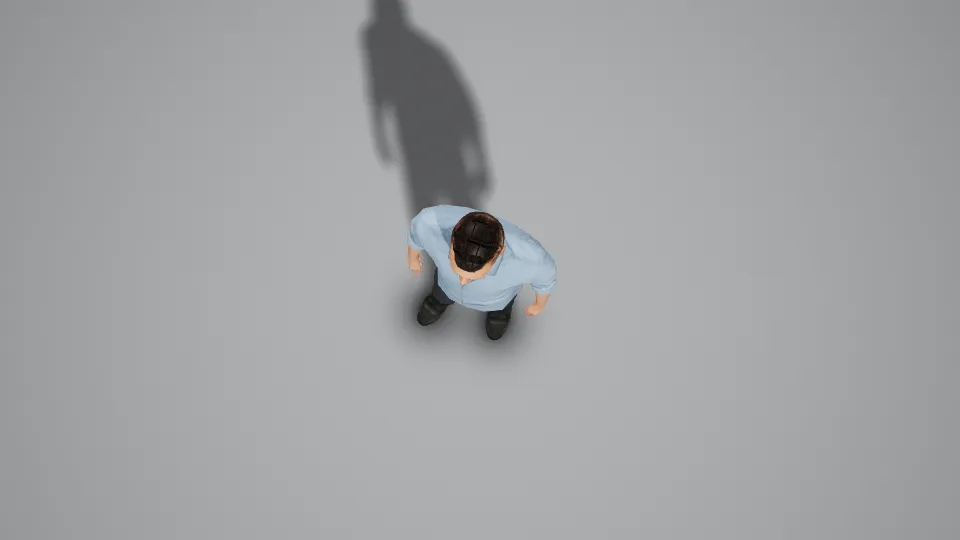
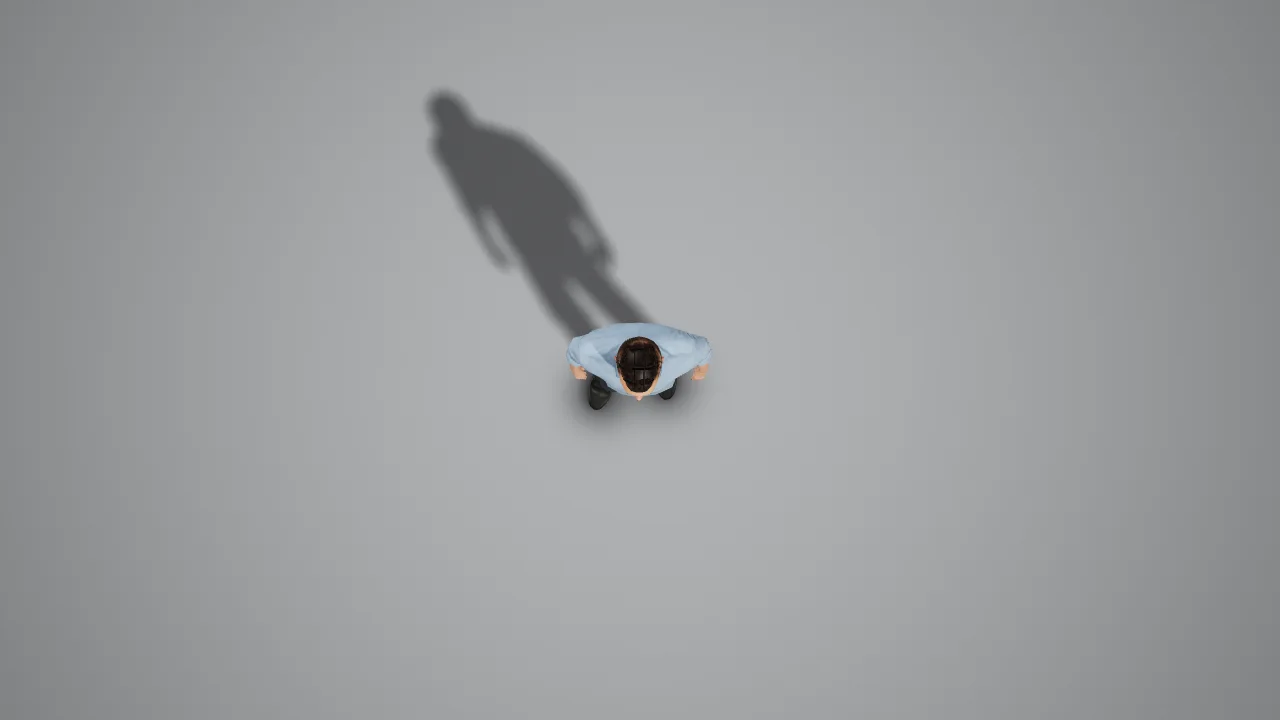
Bird's-eye view
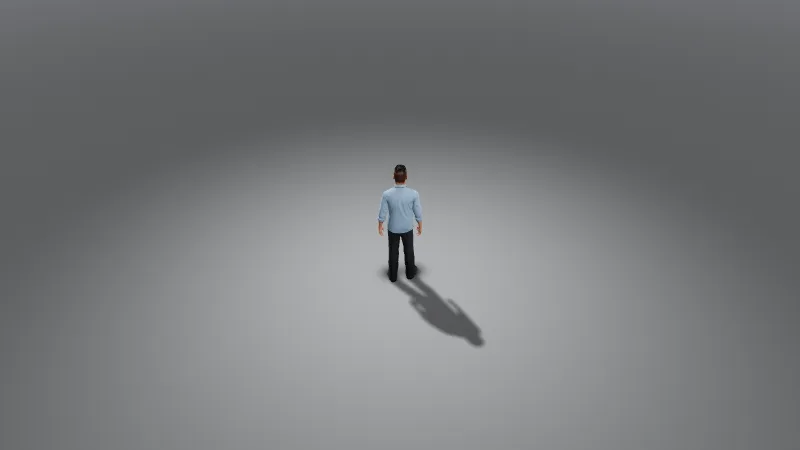
Almost straight down from above.
Maps, crowds, patterns, a figure alone in a space.
Every shot is a few choices: how high the camera is, how much of the body it shows, which side it sees and how wide the lens is. Put the names together and you have a prompt. With two people, or with a camera that moves, there are a few more.
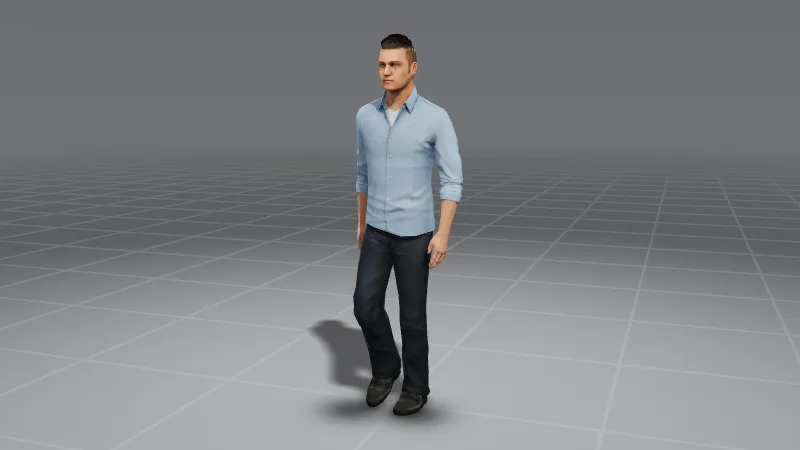
Promptlow-angle medium shot, three-quarter front view, 35mm lens
Nothing matches that.
How high is the camera, and which way does it tilt?
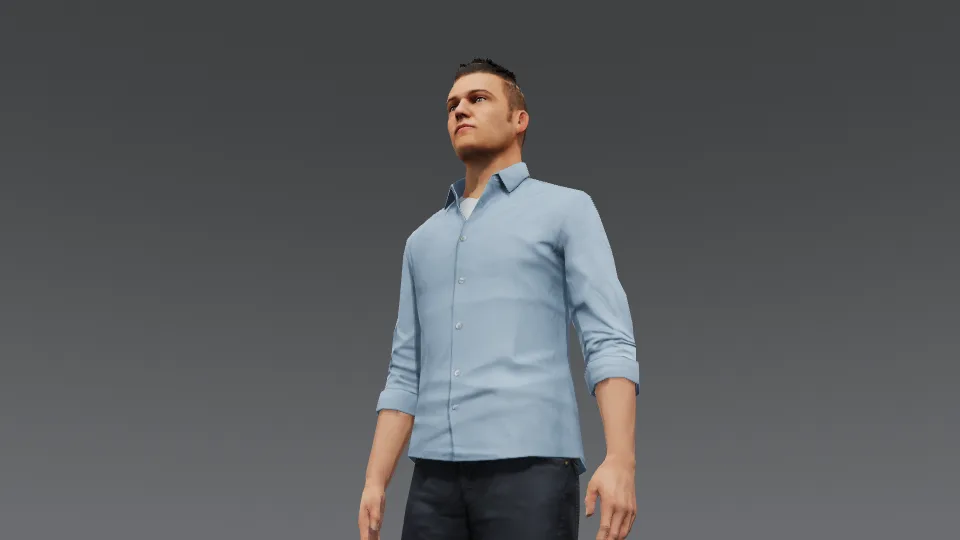
Angle is where the camera stands against the eyes of the subject. A low angle is commonly used to make a subject look powerful, a high angle to make them look small, and eye level is neutral.
Almost straight down from above.
Maps, crowds, patterns, a figure alone in a space.
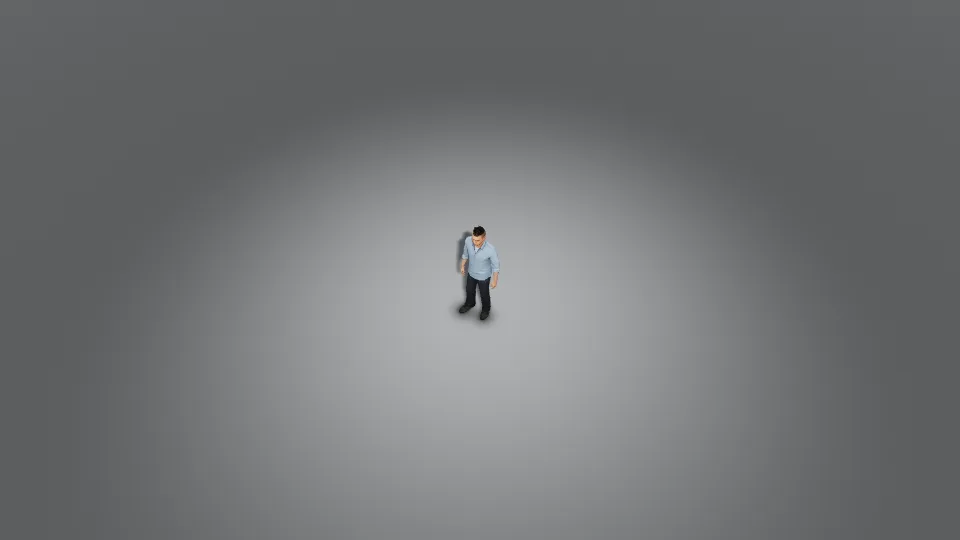
From far above, at a slant.
Opening a place, showing distance.
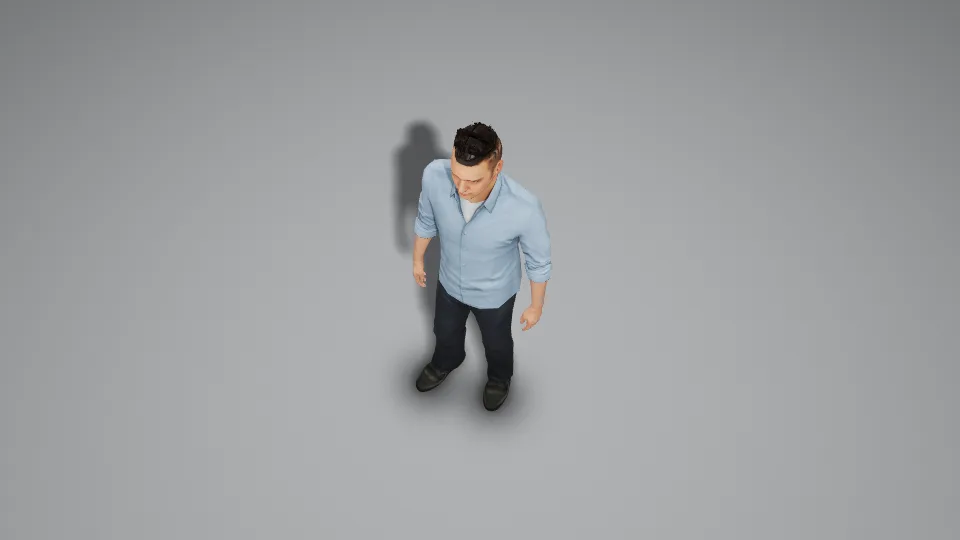
Steeply down, but not straight.
Defeat, surveillance, being watched.
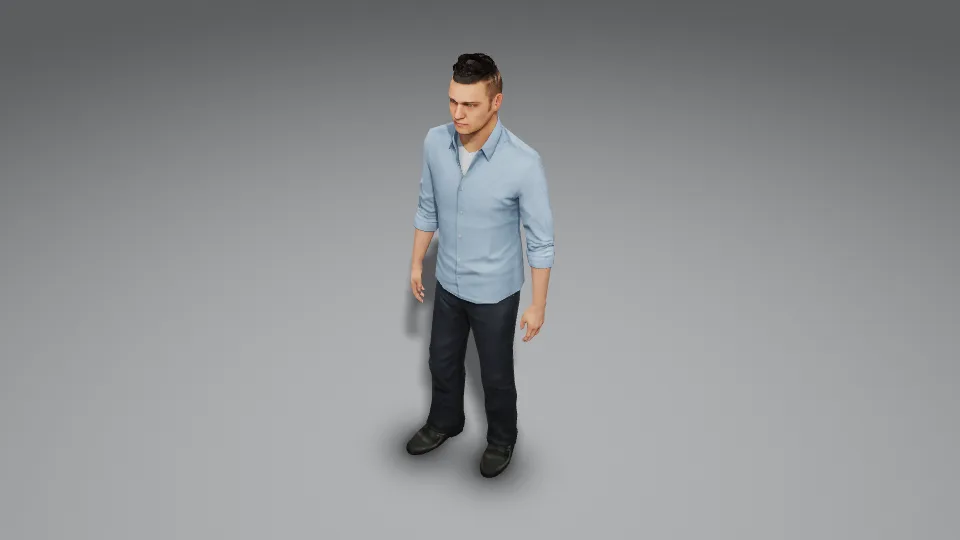
Above the eyes, tilted down.
Makes a subject look small, exposed or outnumbered.
How much of the body is in frame?
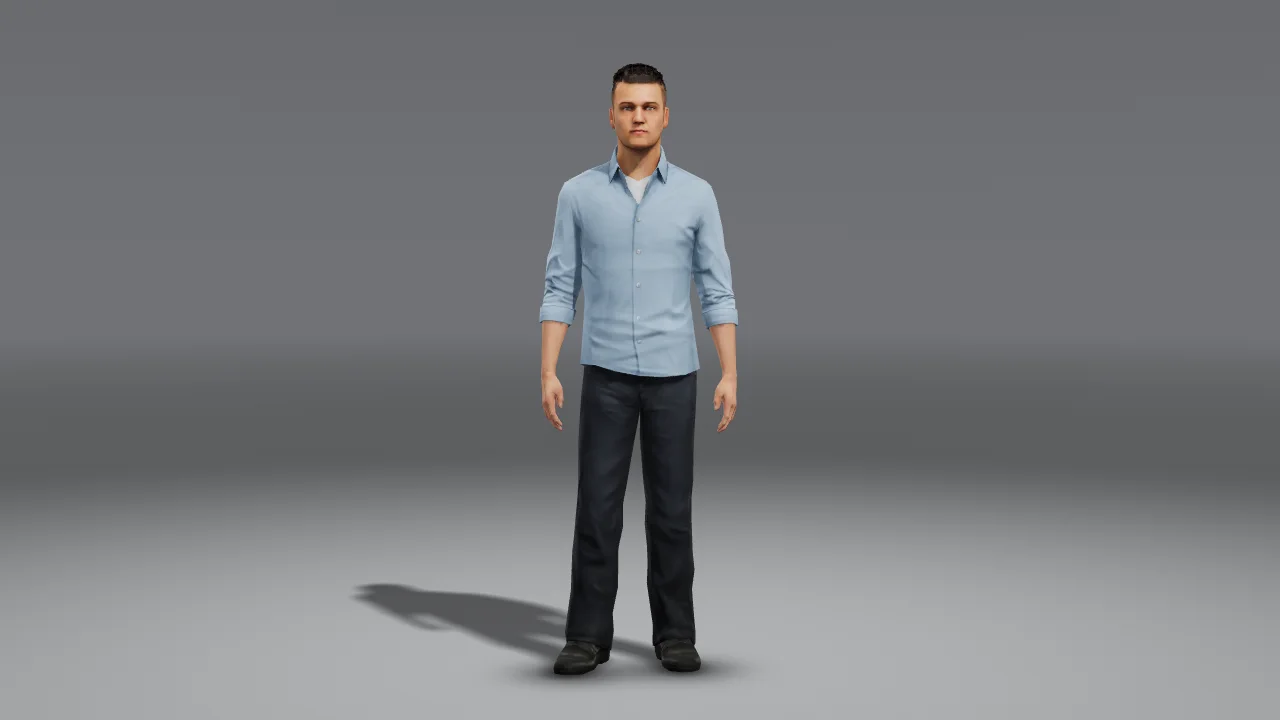
Size is how much of the subject the frame shows, from part of a face to a small figure in a landscape. Close sizes show emotion, wide sizes show action and place.
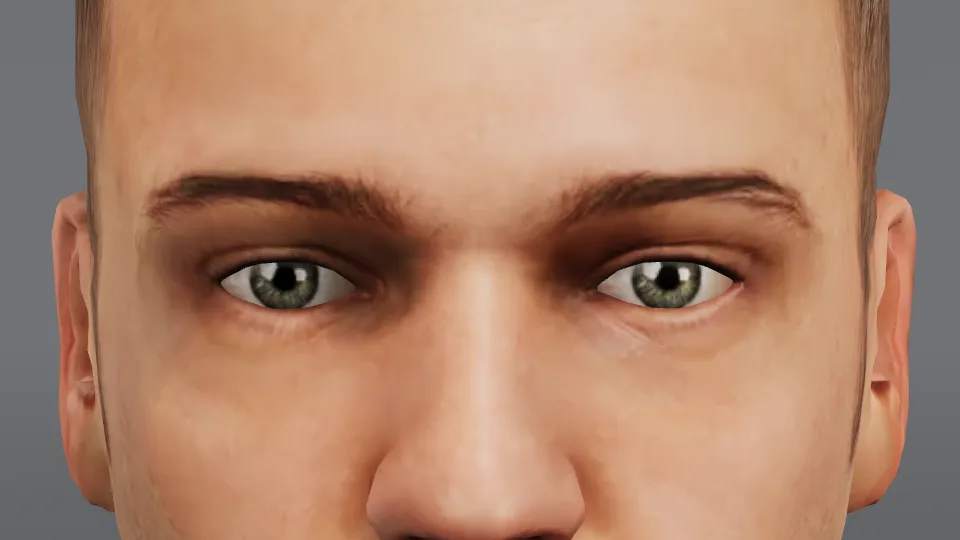
Only the eyes.
A duel, a decision, recognition.
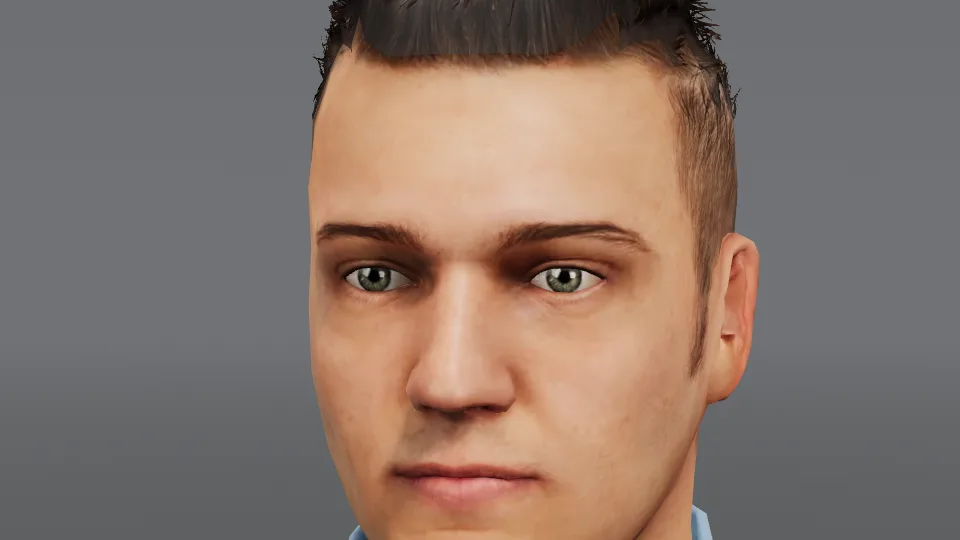
Part of the face fills the frame.
A tear, a glance, a secret noticed.
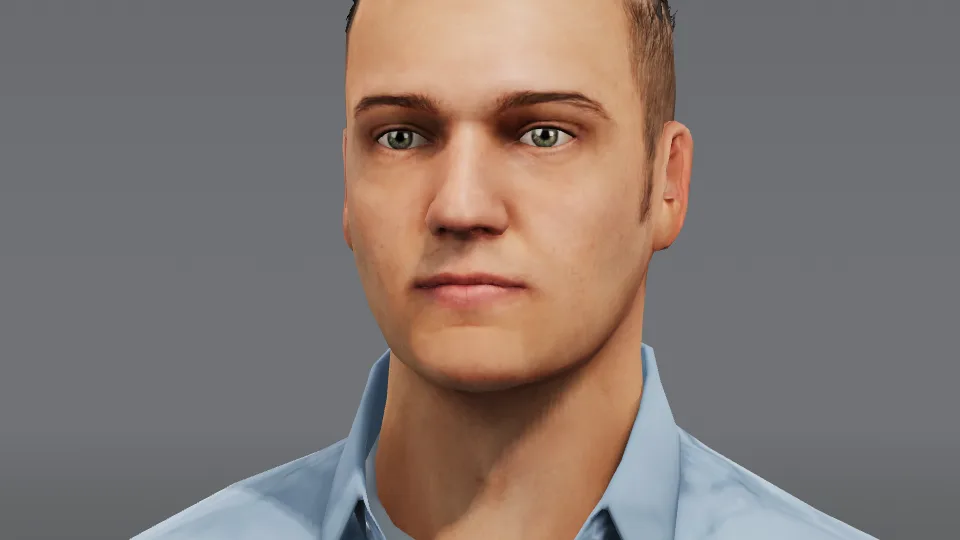
From the eyebrows to below the mouth.
Pressure: nothing but the face.
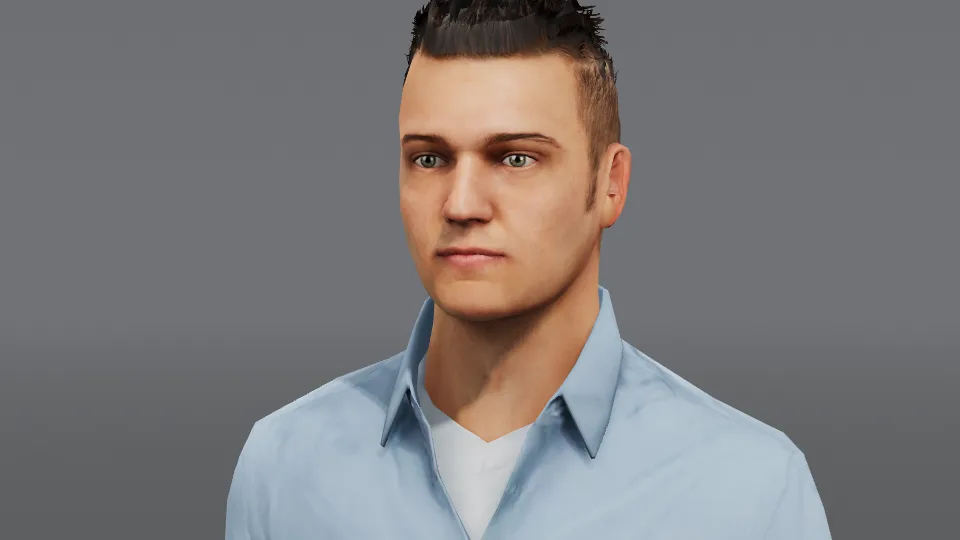
The face fills the frame.
Emotion and reaction.
Which side of the subject do we see?
Direction is which side of the subject faces the camera: front, three-quarter, profile or back. Left and right are always the subject's own.
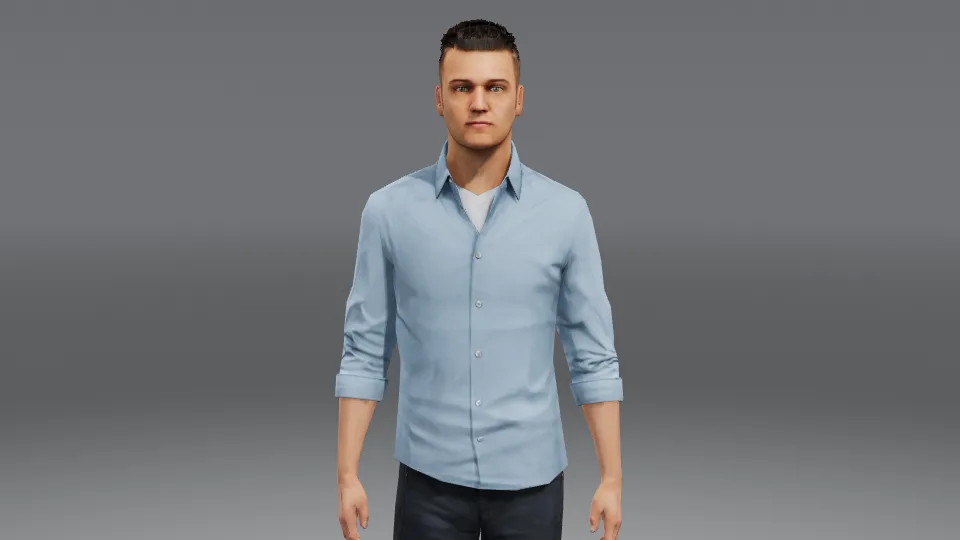
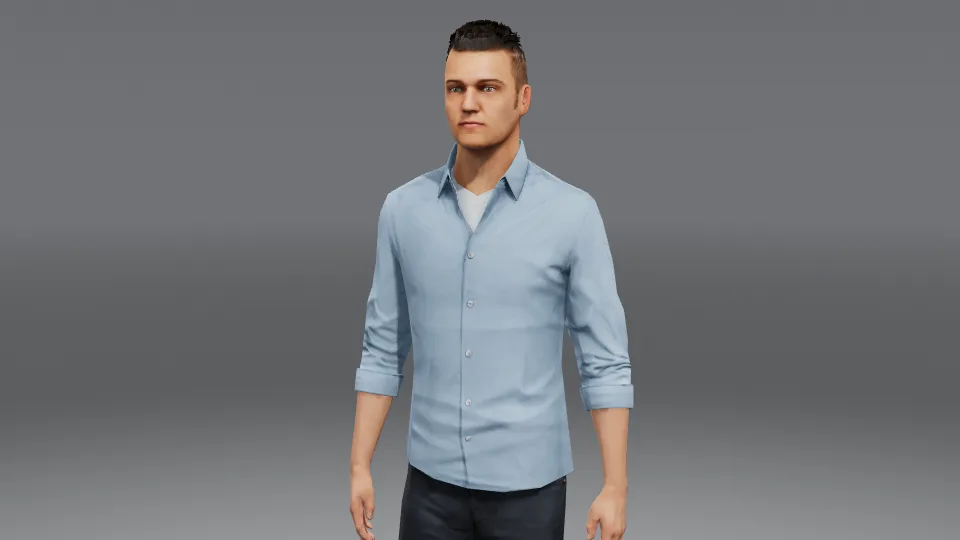
The subject faces the camera.
Direct address, portraits, symmetry.
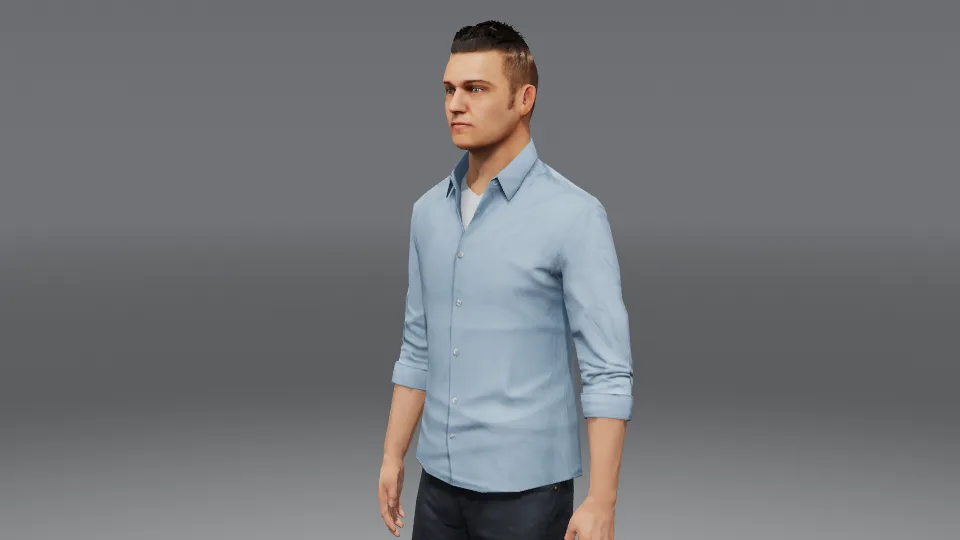
Turned so we see the subject's left side.
A common view for portraits and dialogue.
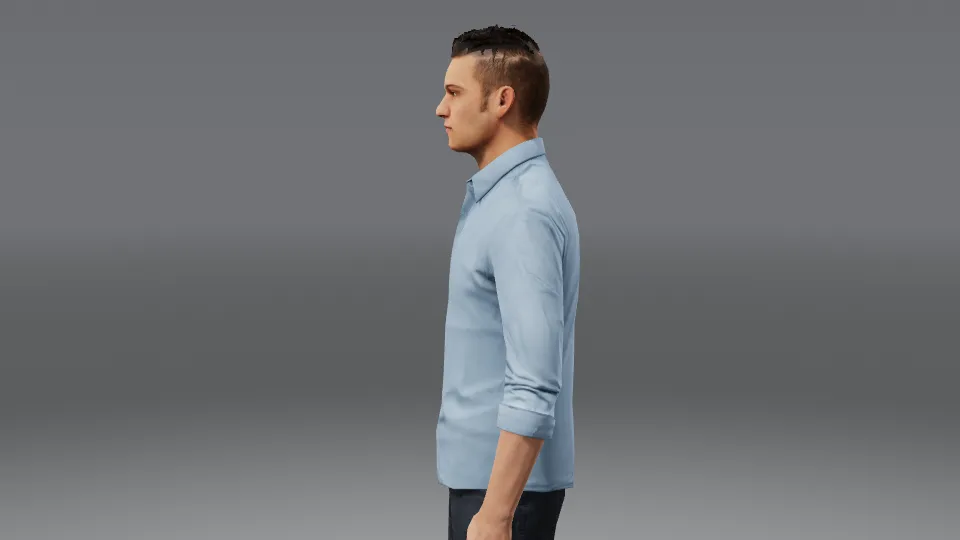
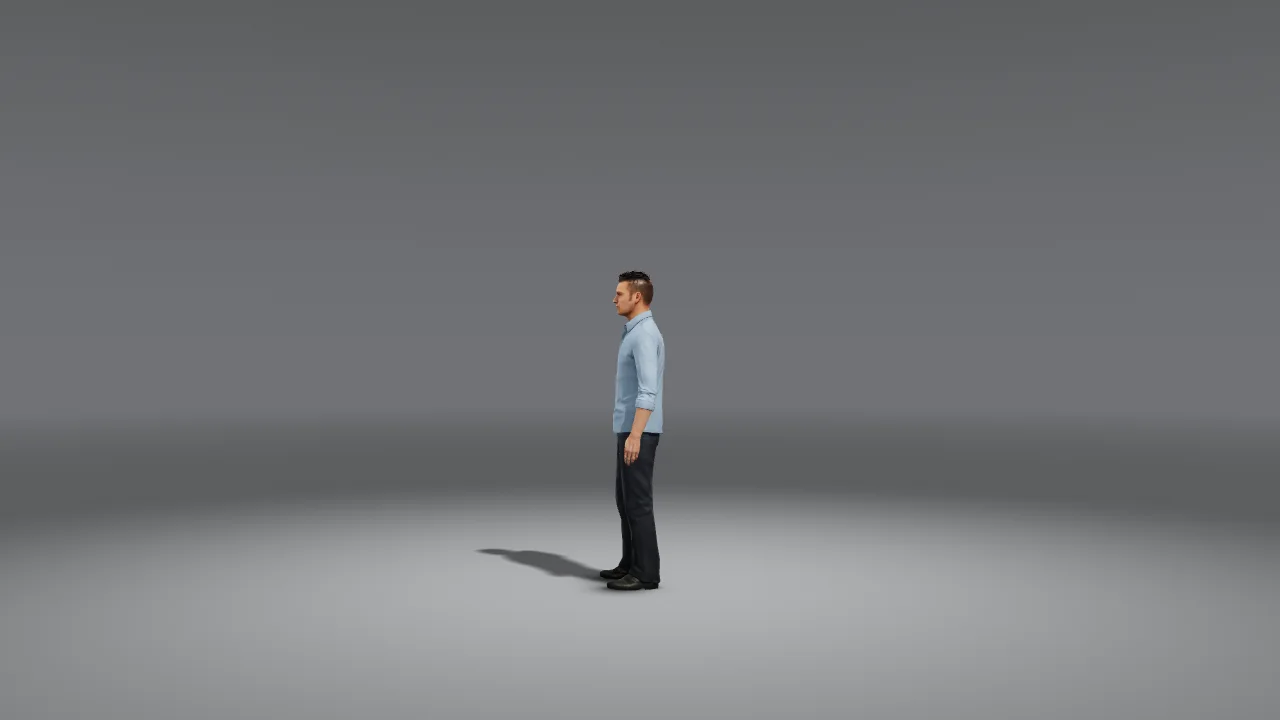
Seen exactly from the subject's left.
Movement across the frame, two people facing off.
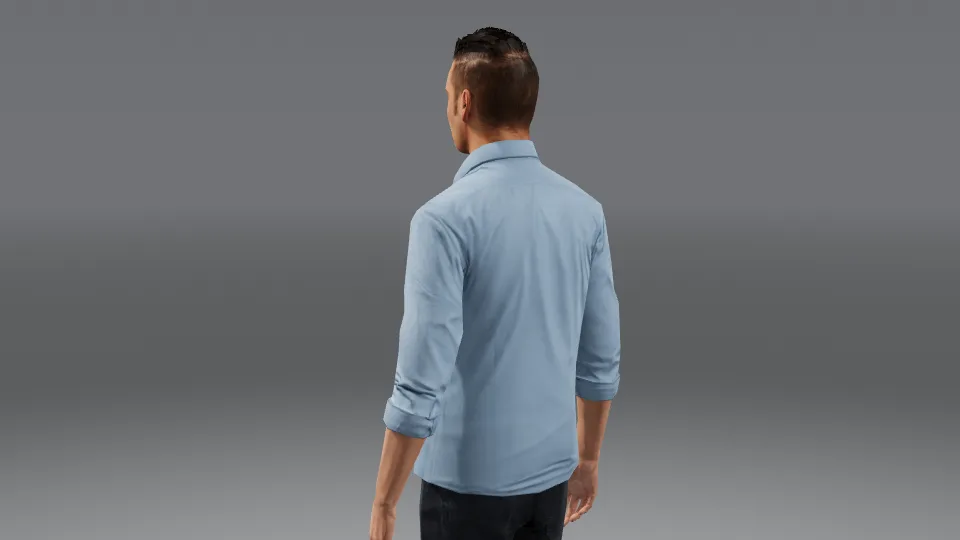
From behind, with a hint of the left cheek.
Following someone, looking at what they look at.
Where in the frame does the subject sit?
Composition is where the subject sits inside the frame. Space in front of a face is called lead room or nose room, and space above the head is called headroom.
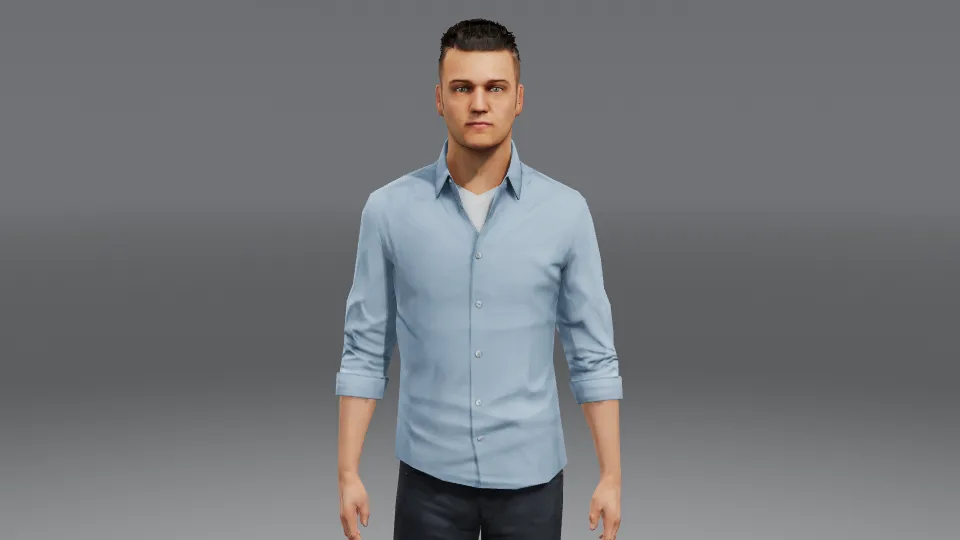
The subject dead in the middle.
Power, calm, direct address.
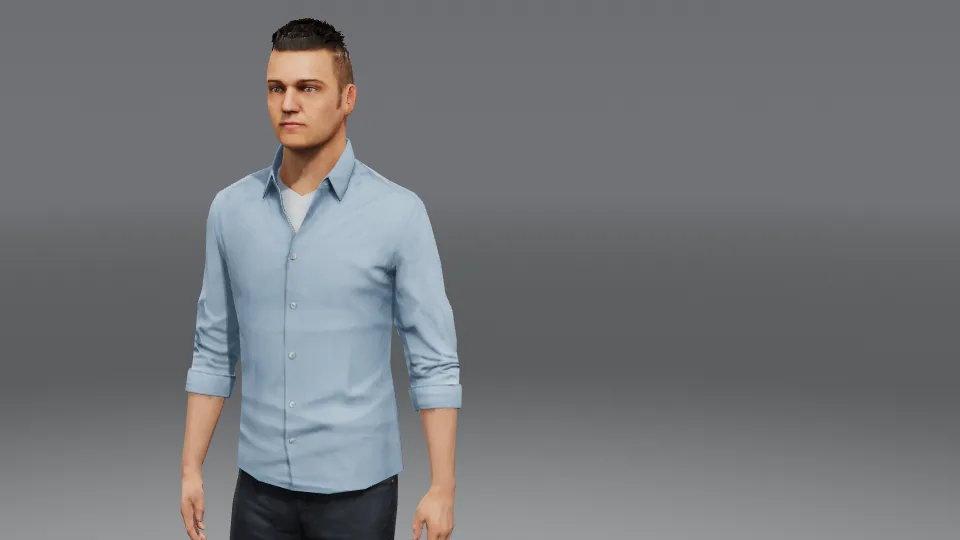
The subject on the left line of thirds.
Room for text, another person or the view.
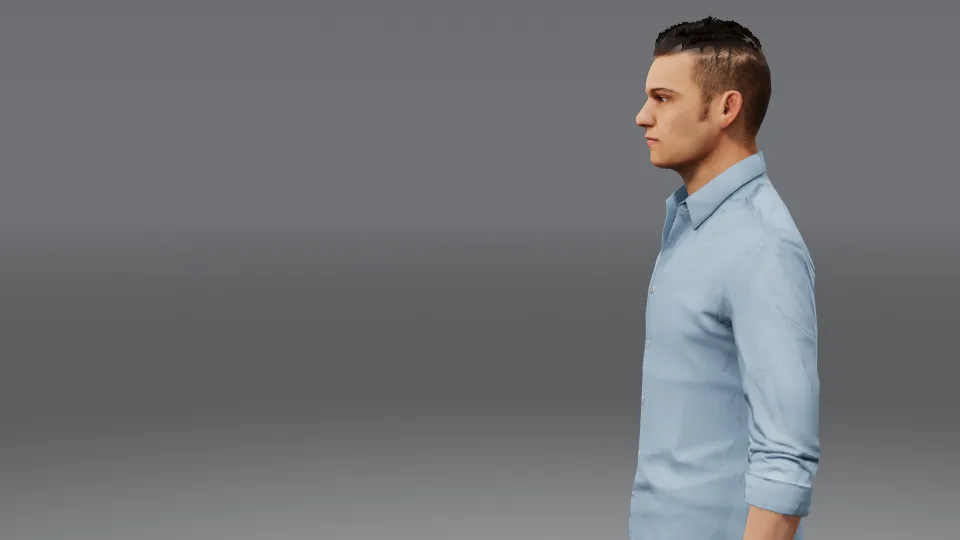
Open space in front of the face.
Looking ahead, moving forward, hope.
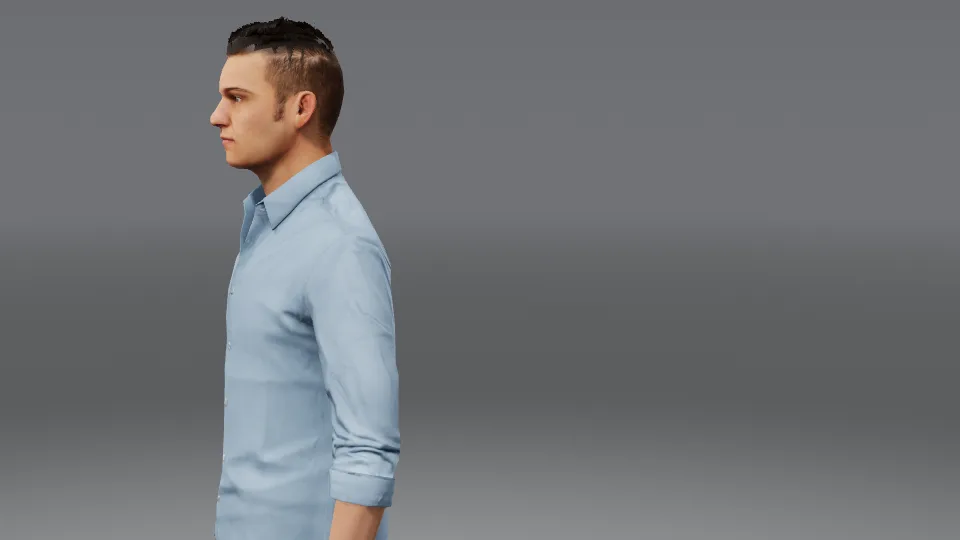
Face close to the edge, space behind.
Trapped, regretful, unaware of what is behind.
Which part of the body tells the story?
A detail fills the frame with one part of the body: the eyes, the mouth, the hands, the feet.
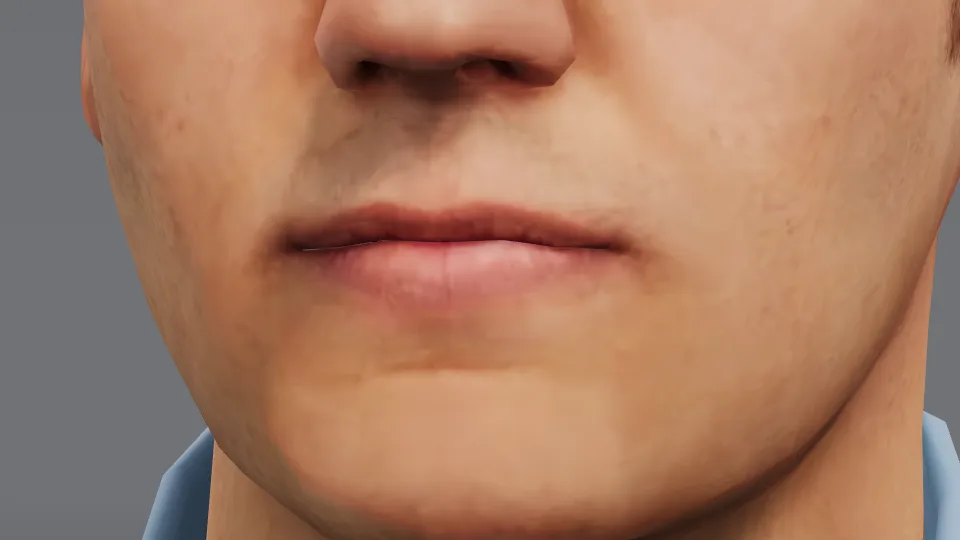
Only the lips.
A whisper, a lie, a first word.
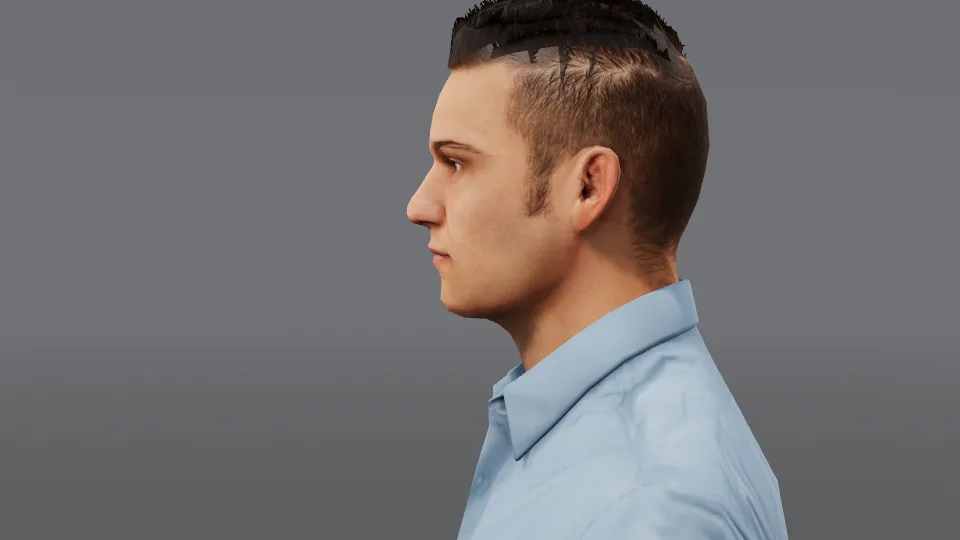
The outline of one face.
Thinking, watching, a coin portrait.
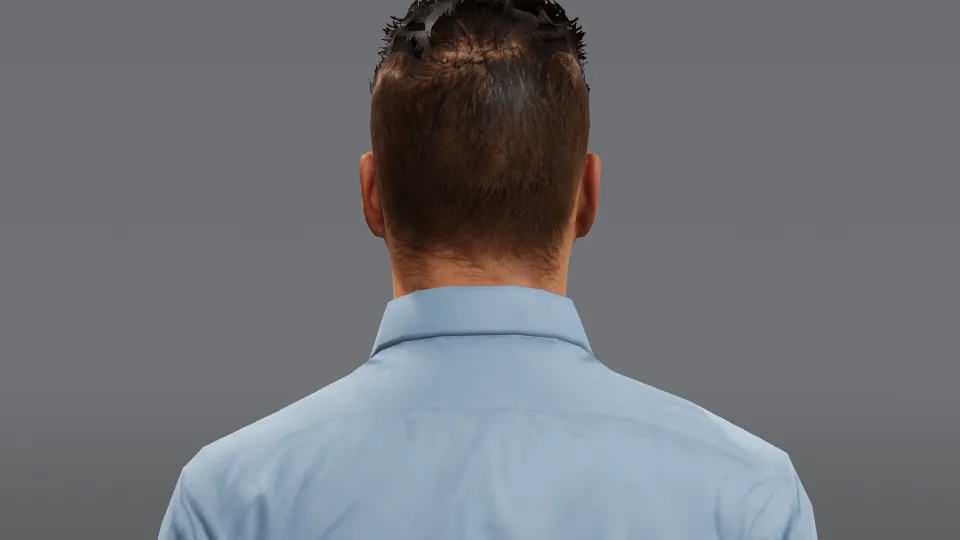
The back of the neck and head.
Vulnerable, about to turn round.
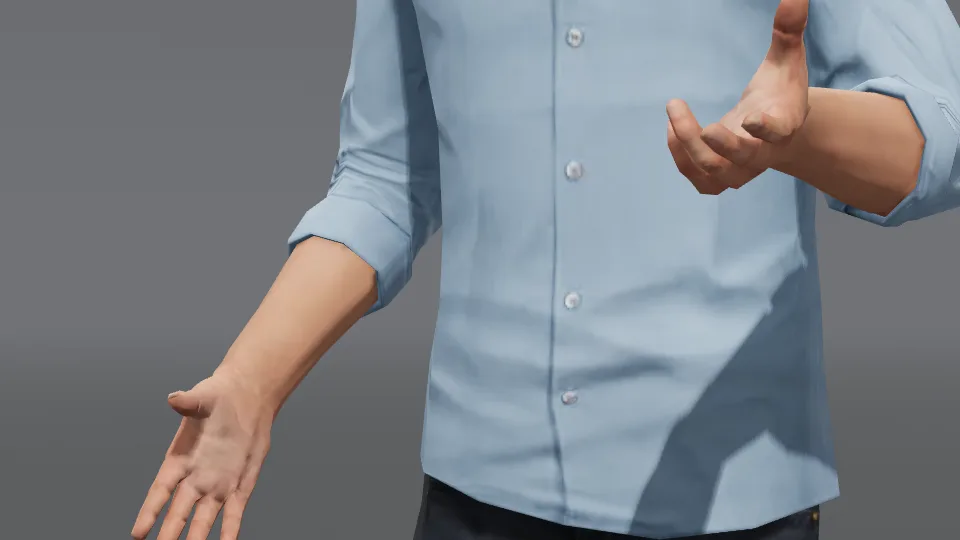
Just the hands.
Nerves, craft, something given away.
Whose camera is this?
Some pictures tell us who is holding the camera. A selfie, a doorbell, a drone and a security camera each come with their own height, lens and habits.
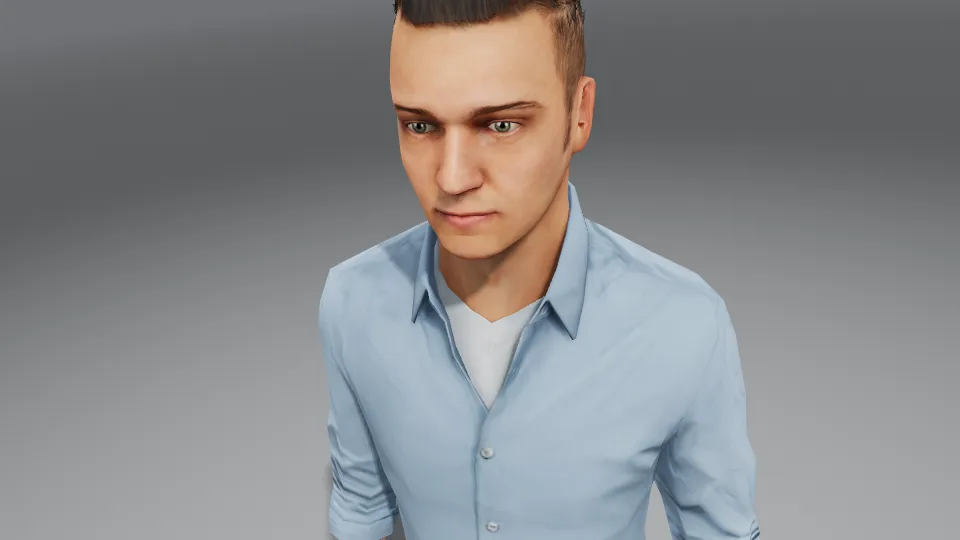
At arm's length, a little above the eyes.
Phone footage, social posts.
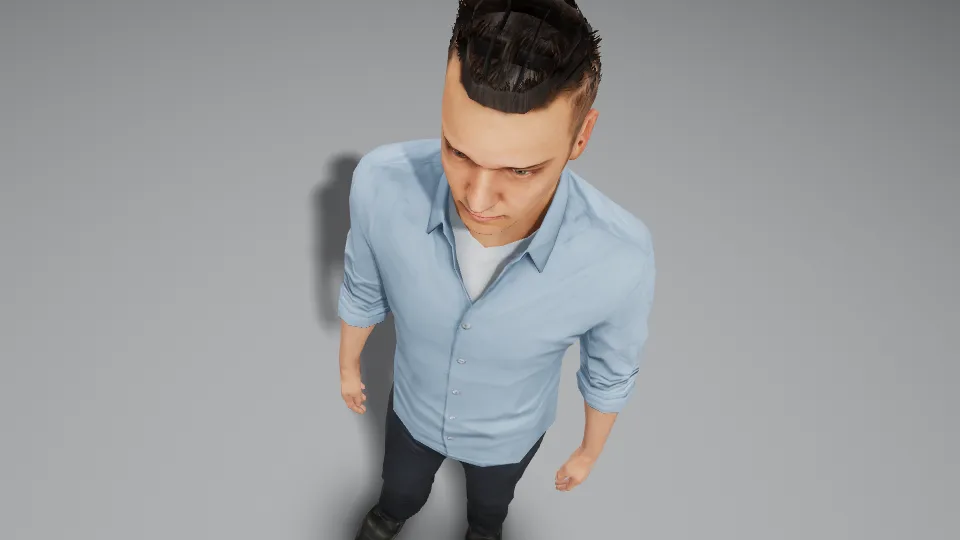
Held high, looking down on the face.
Party pictures, flirting, travel.
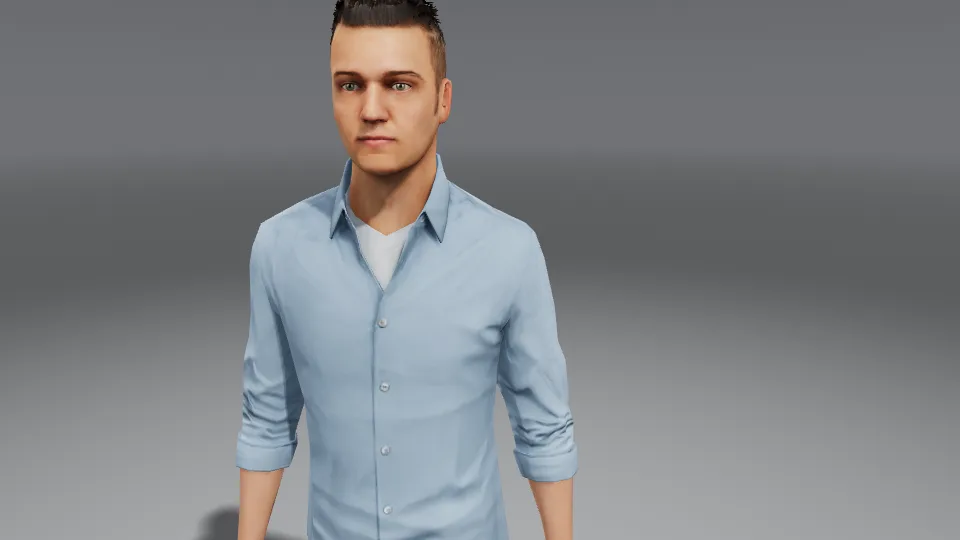
Wide lens, close, slightly off center.
Travel diaries, reviews, talking while walking.
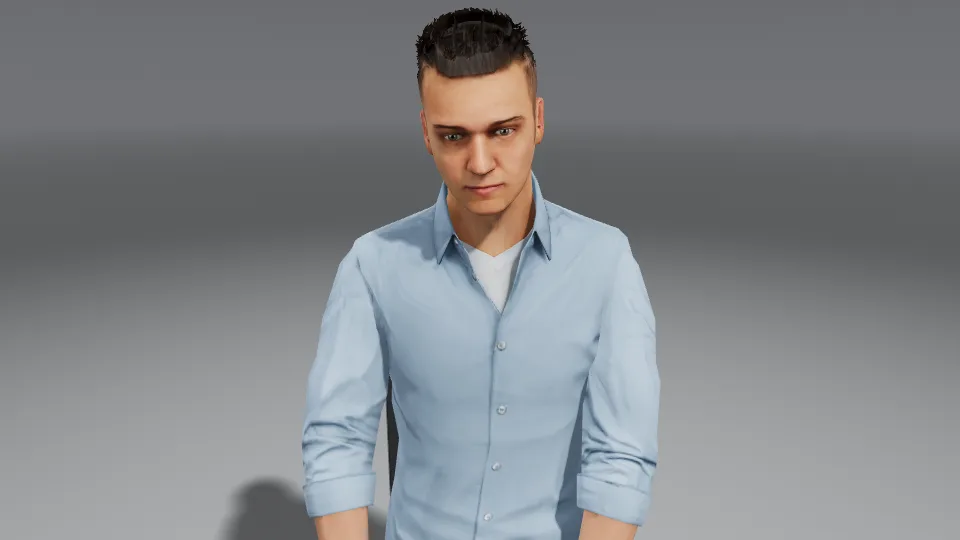
Just above the screen, looking slightly down.
Video calls, streamers, screen-life stories.
How wide does the lens see?
All six frames keep the subject the same size. Watch the face and the floor behind it: the wide lens stands close and stretches space, the long lens stands back and flattens it.
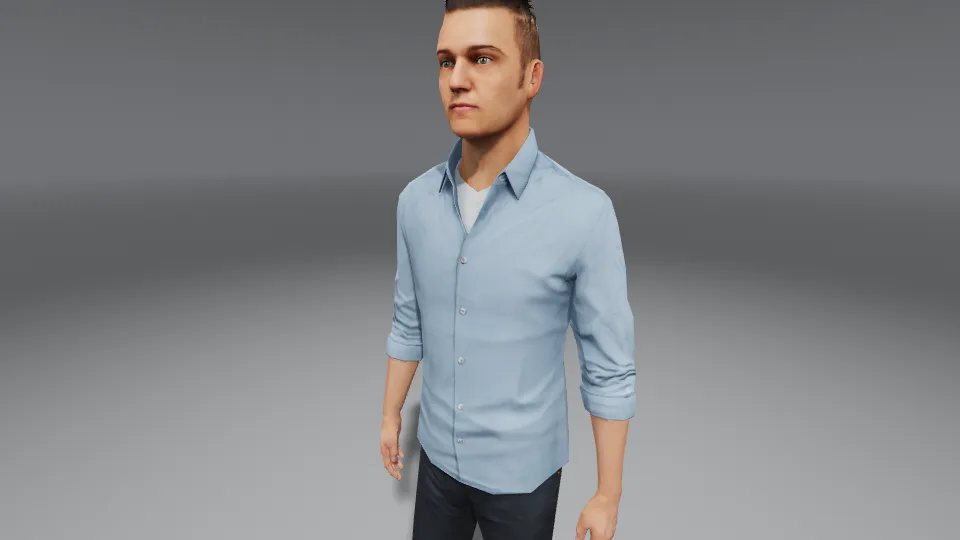
A very wide view. Up close, near things look much larger than far ones.
Cramped rooms, vast views, deliberate distortion.
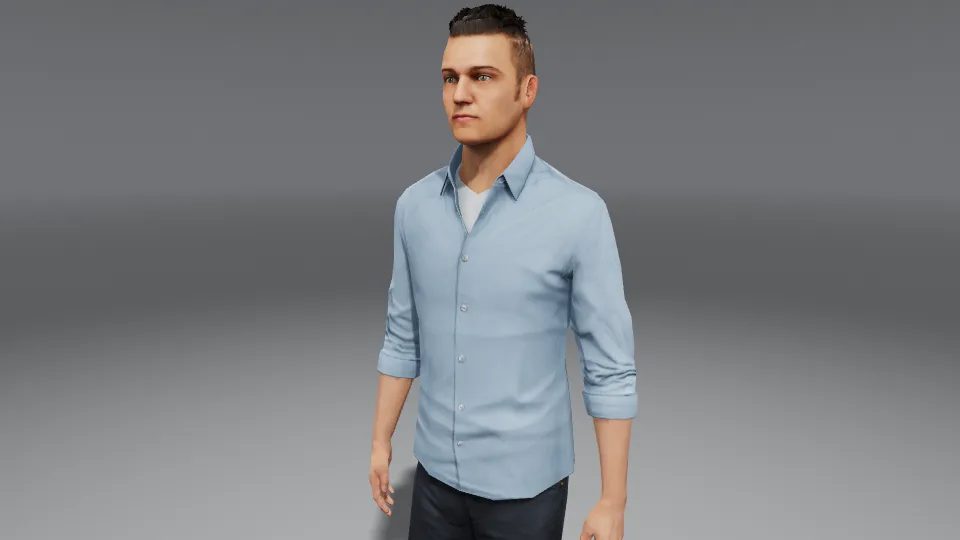
A wide view, used close to the subject.
Landscapes, tight rooms, energy.
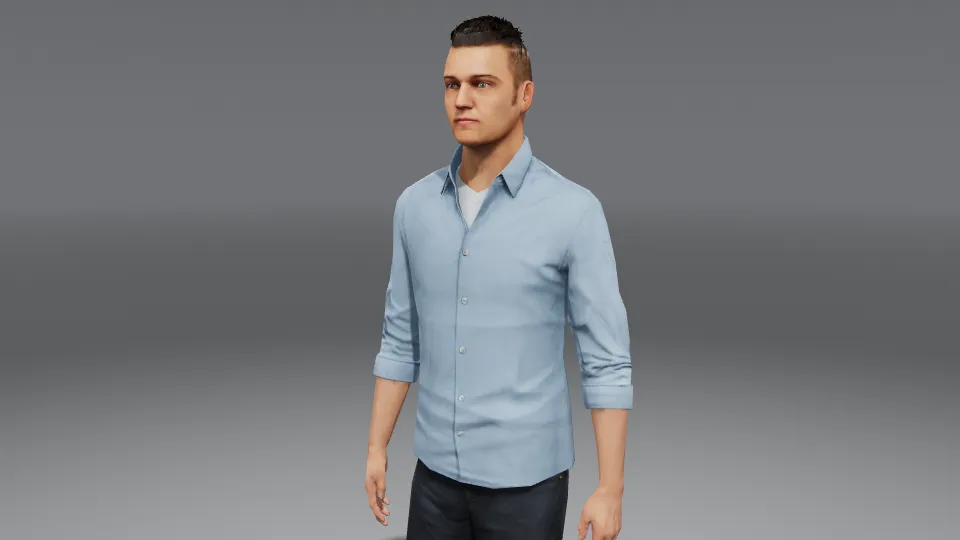
A little wide, with little distortion.
Documentary, street, walking shots.
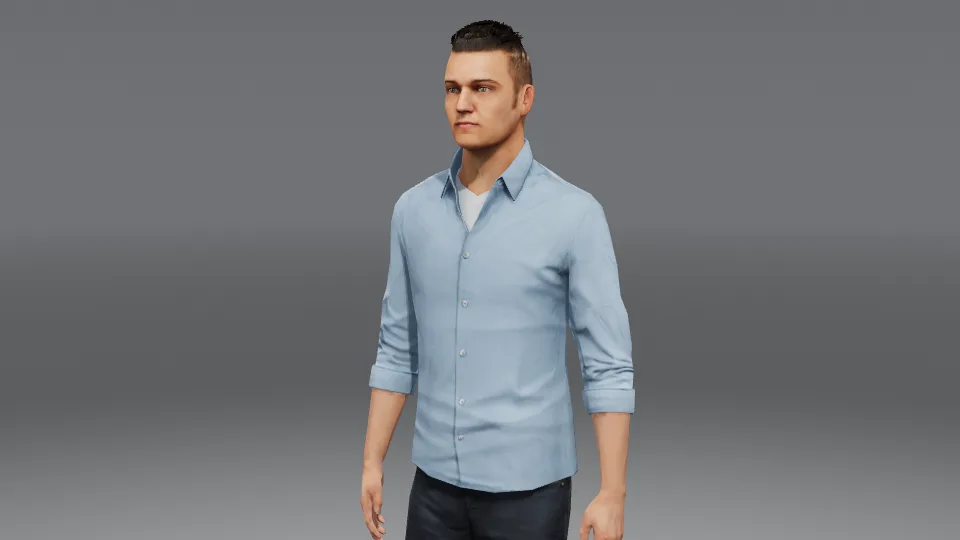
Perspective that looks natural on full frame.
Dialogue and everyday scenes.
Who are we standing behind?
One person frames the other. The shoulder in front tells us where everybody stands and keeps both people in the scene, even when only one is talking.
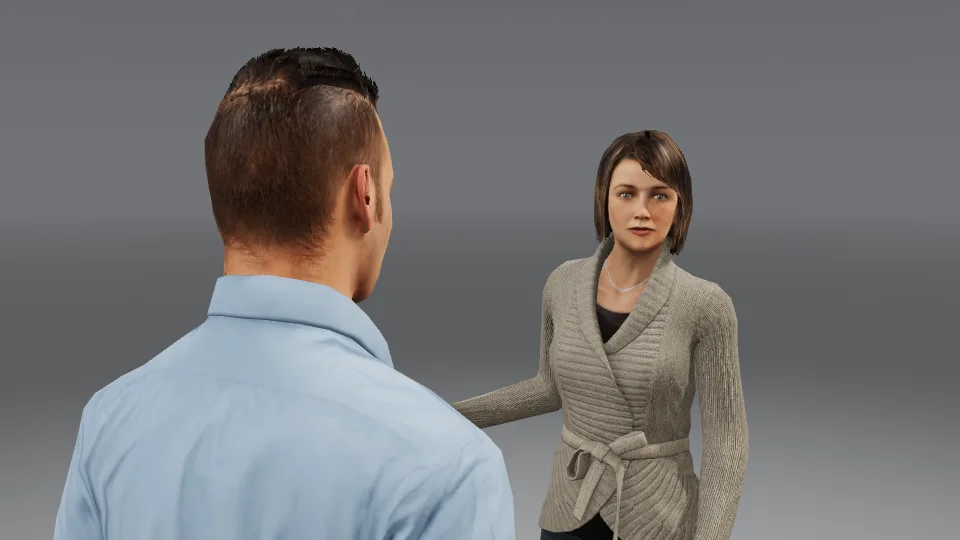
Past one person's right shoulder onto the other.
The standard dialogue shot.
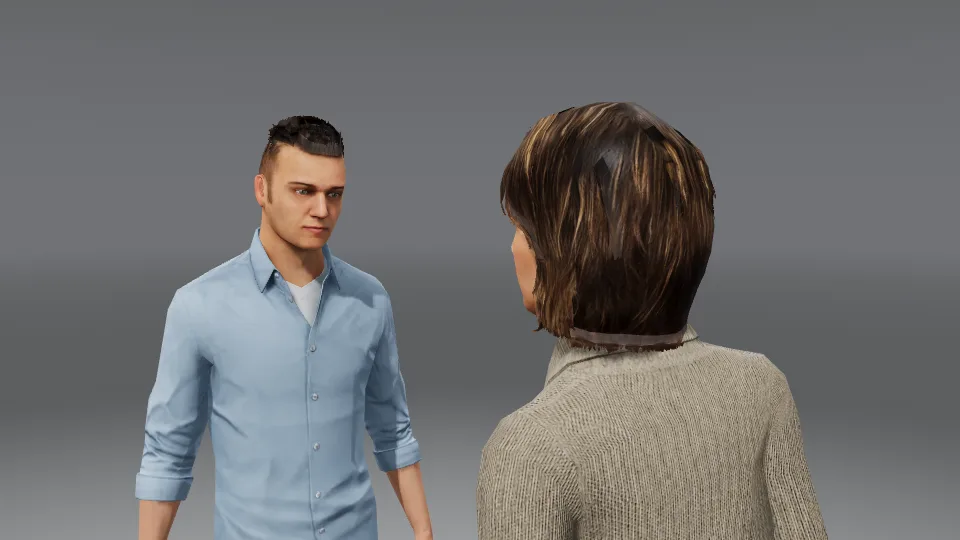
The same shot from the other side.
Cut it against the first one.
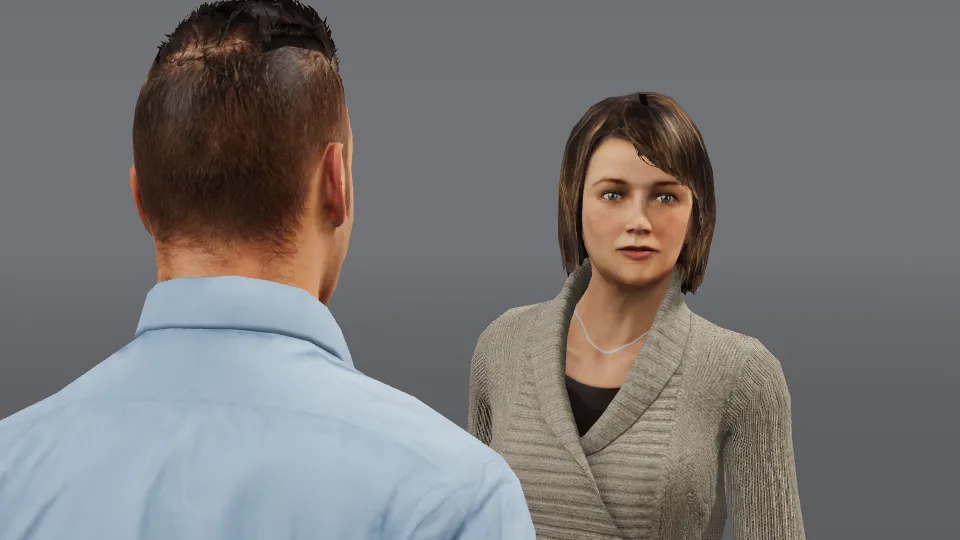
Tighter, with a big soft shoulder in front.
The line that matters.
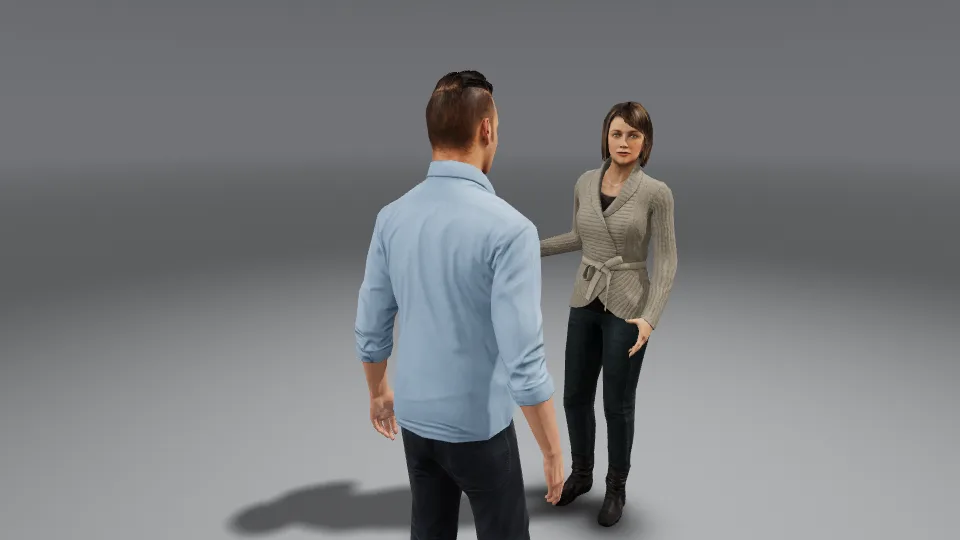
Both bodies, one from behind.
Entering a conversation.
What is the person looking at?
Seen from behind, the face is hidden and the viewer looks in the same direction as the subject. It is used to follow someone, to hold back an identity, or to show what they face.
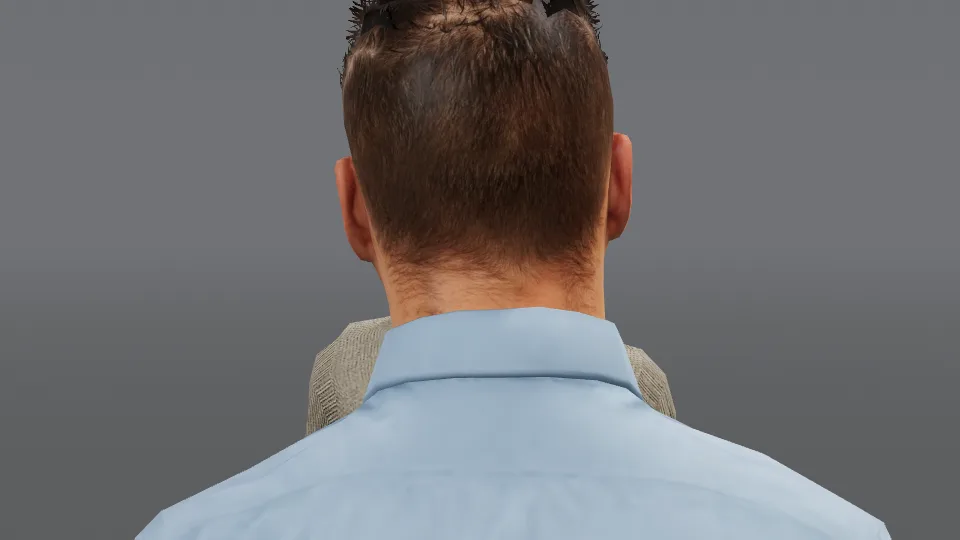
Head and shoulders block the view.
Suspense, walking into a room.
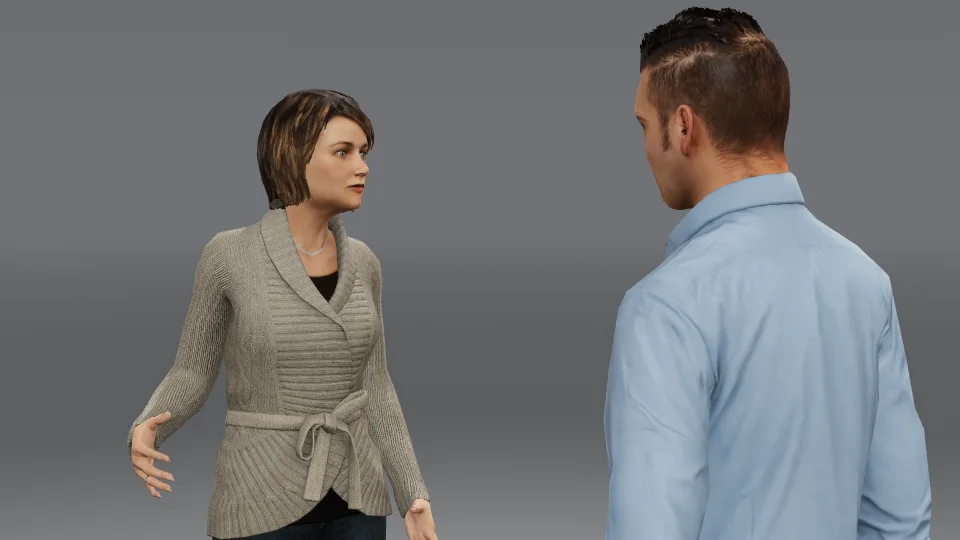
Behind one person, across to the other.
Watching someone react.
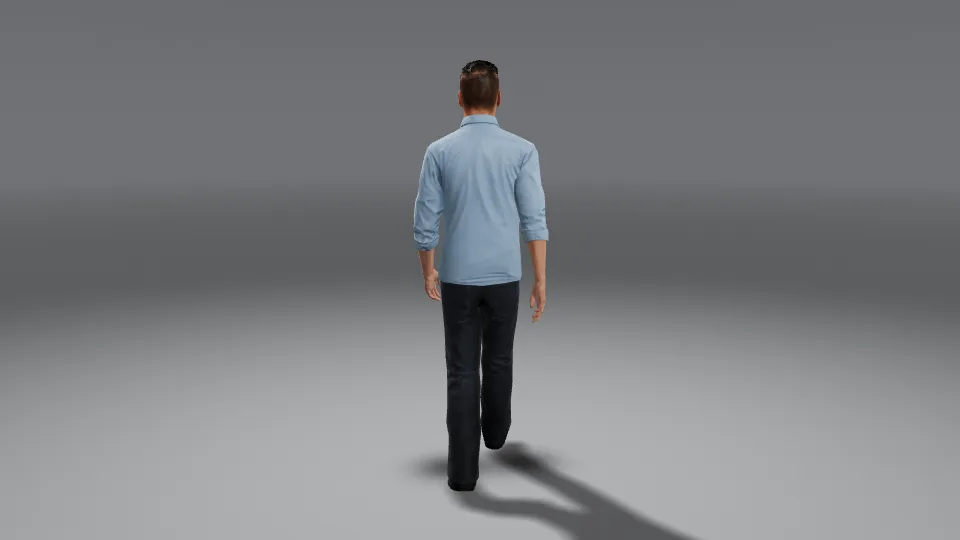
Full body from behind, walking.
Arrivals, corridors, streets.
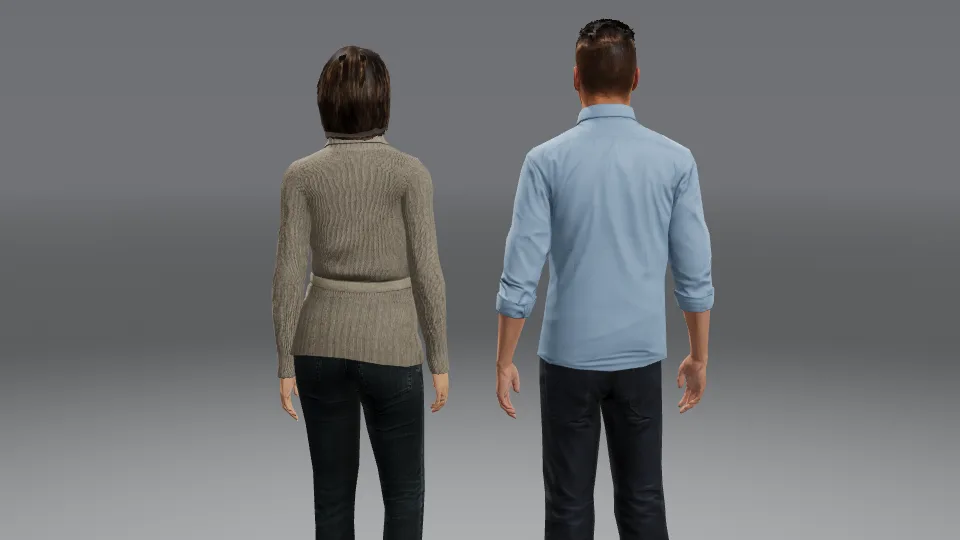
Two people side by side, backs to us.
A shared view, a quiet ending.
How do two people share the picture?
Two people can share a frame side by side, face to face, or one in front of the other. The gap between them and their height in the frame are often used to show how they stand to each other.
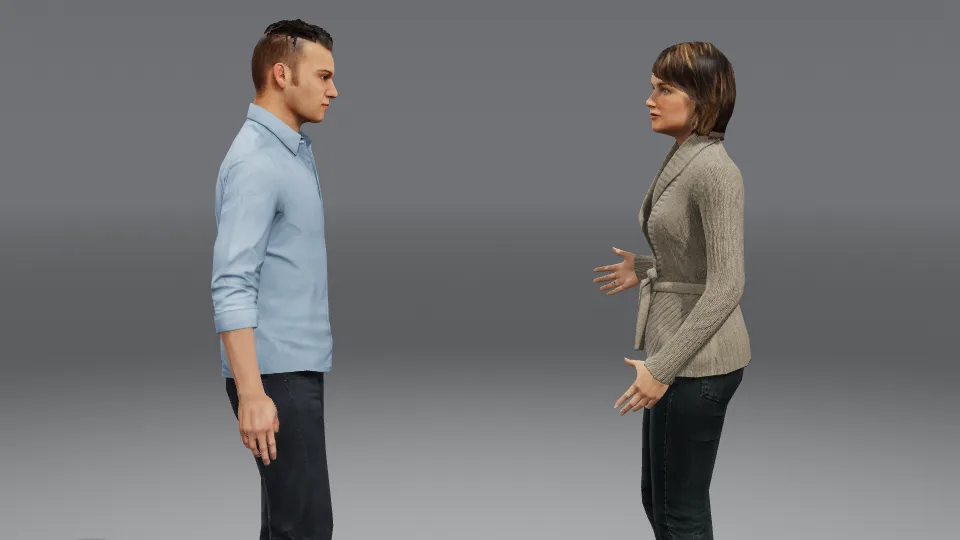
Two profiles, the gap in the middle.
Arguments, tension, a first kiss.
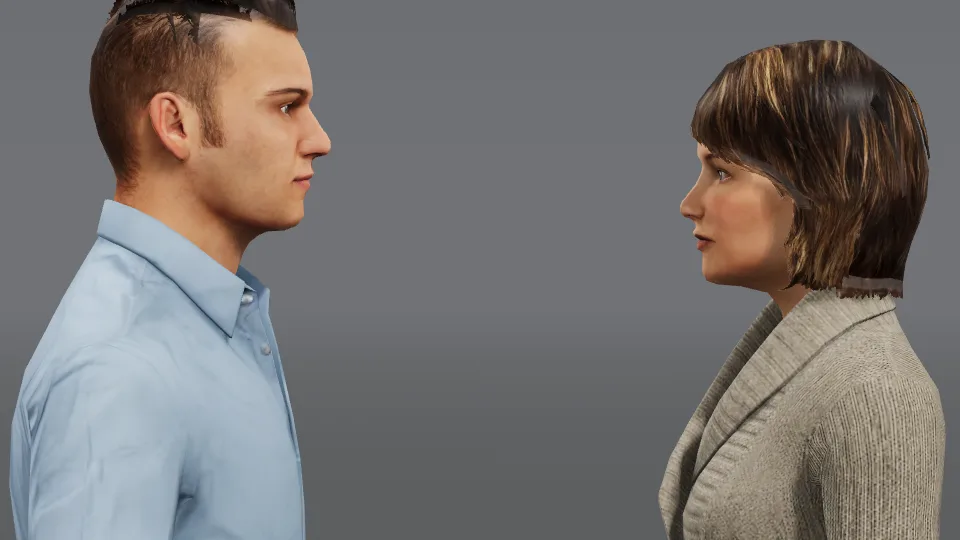
Two profiles almost touching.
A threat or a kiss, seconds before.
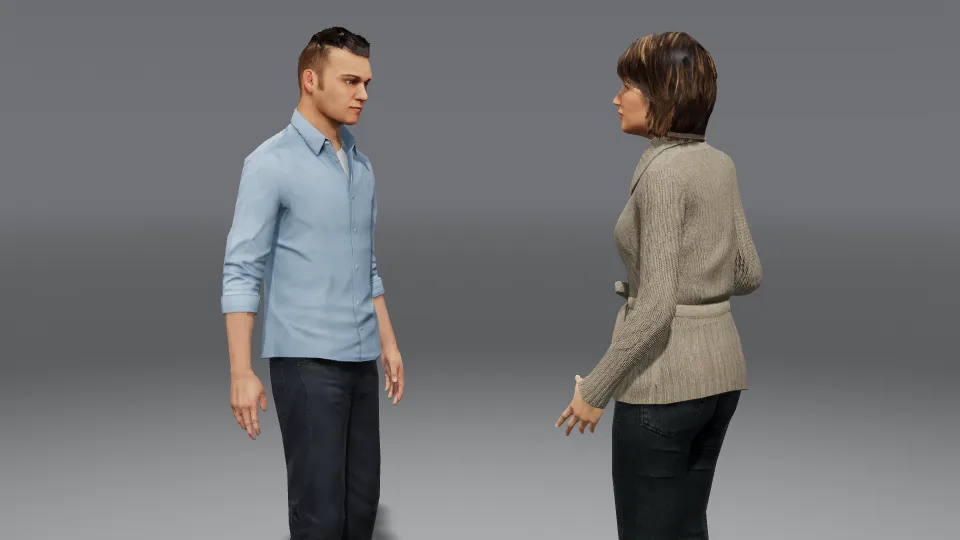
Both seen at a slant.
Easy conversation.
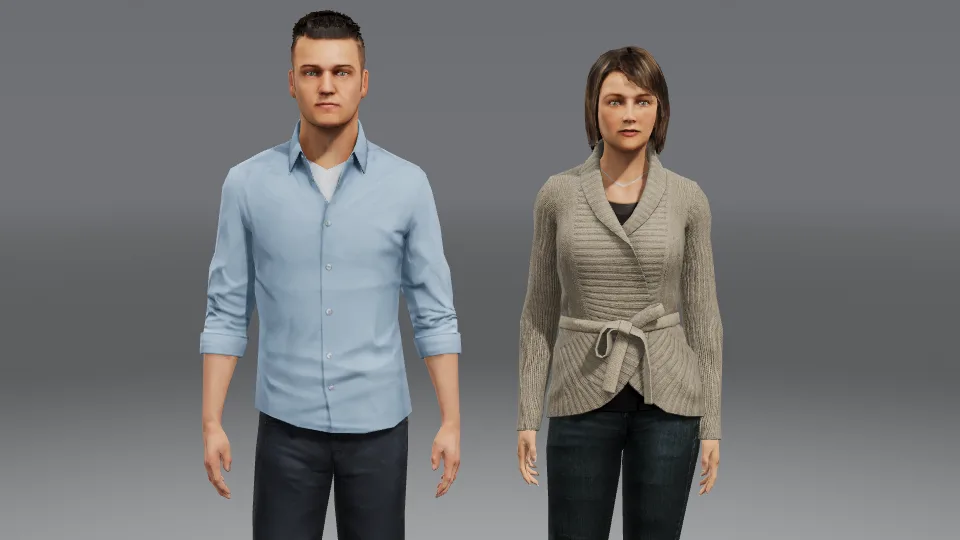
Both face the camera.
Partners, interviews, couples.
Is the other person still felt?
These shots show one person inside a two-person scene. With a part of the other person in frame it is a dirty single, without it a clean single.
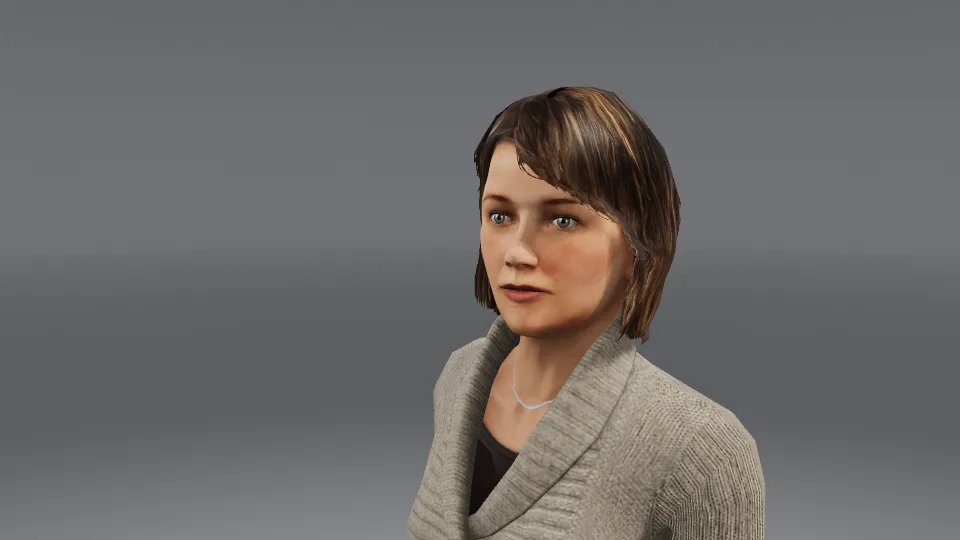
Only one person, nobody else in frame.
Isolating a reply.
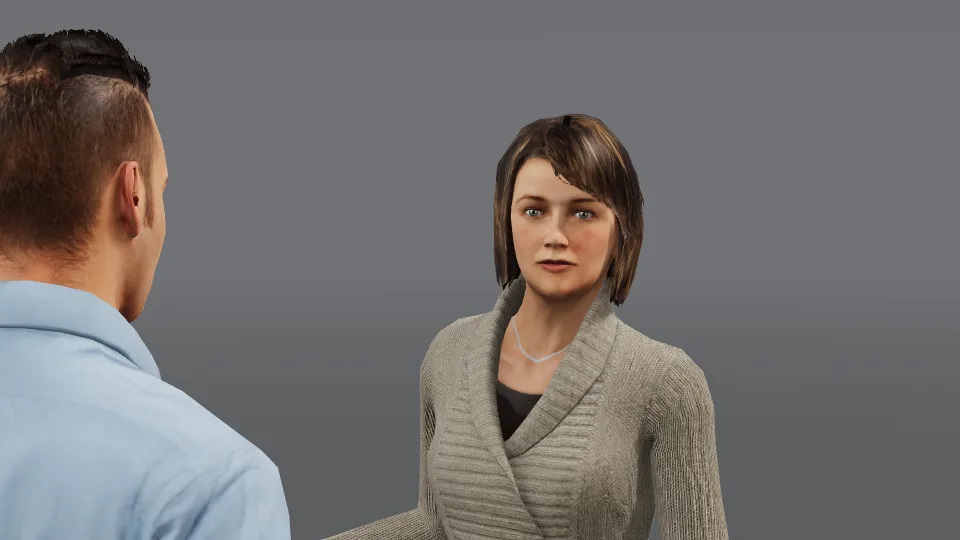
A sliver of the other's shoulder.
Closer than over the shoulder.
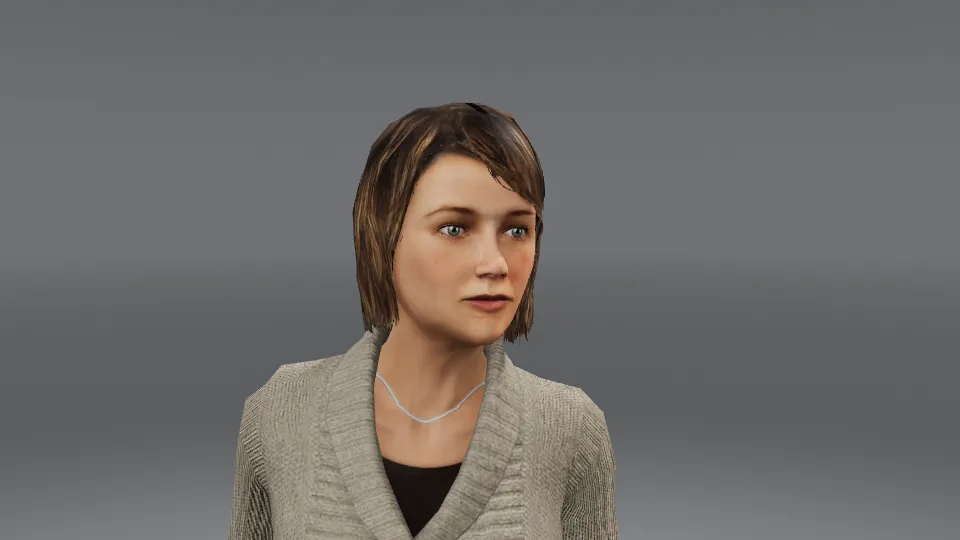
Through the other person's eyes.
Being looked at, being accused.
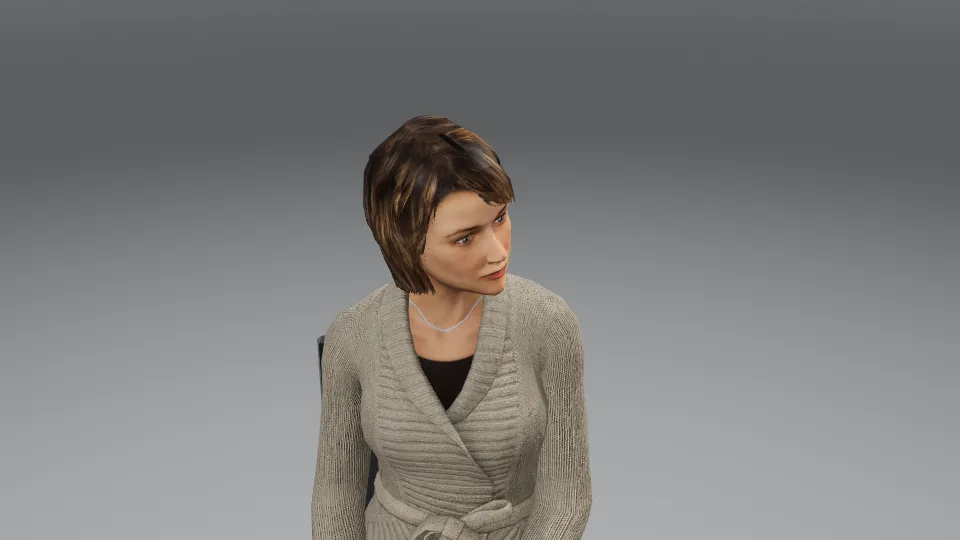
From standing eyes onto a seated face.
A boss, a teacher, an interrogator.
Who leads, and who belongs together?
With three or more people, how they are arranged becomes part of the shot: a row, a circle, a triangle, a V, or a line into depth.
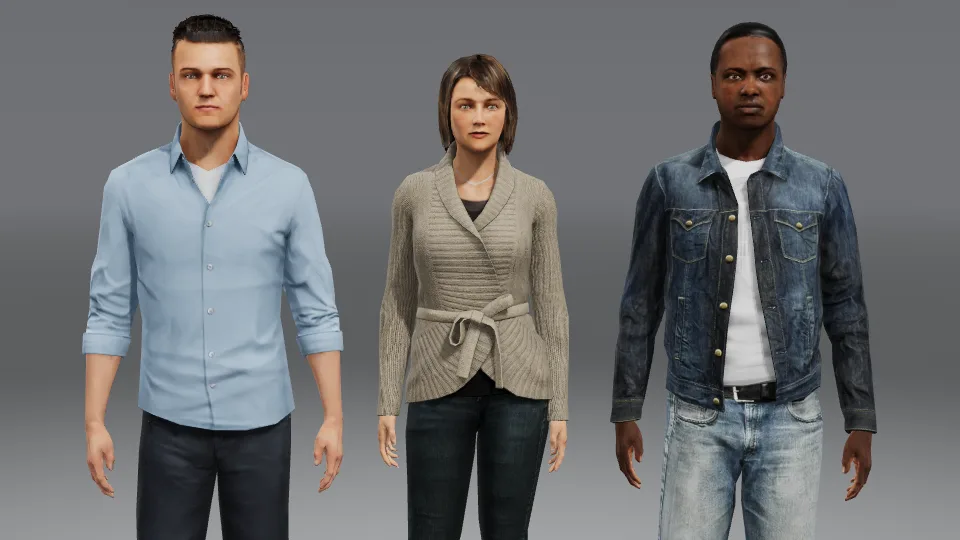
Three people in one frame.
A trio, a love triangle.
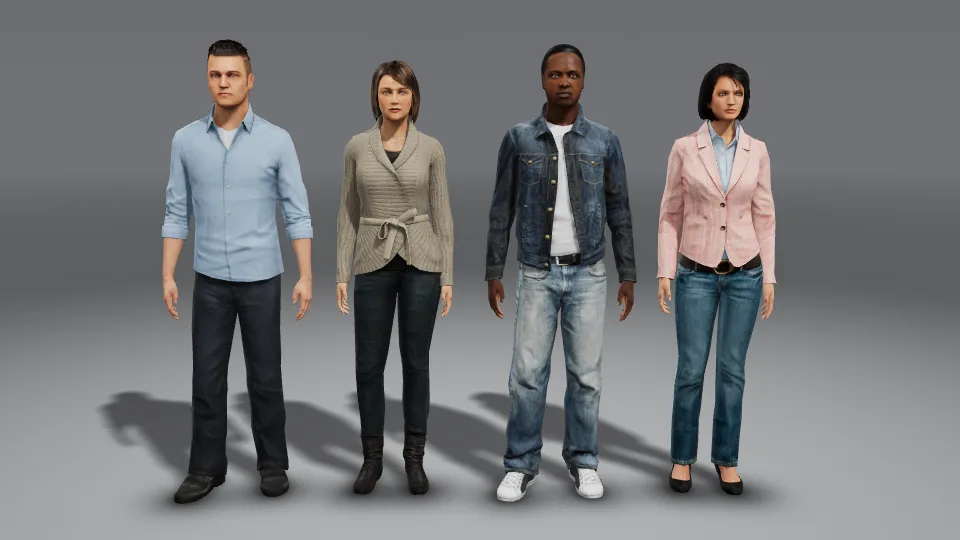
Everybody, head to toe.
Teams, families, posters.
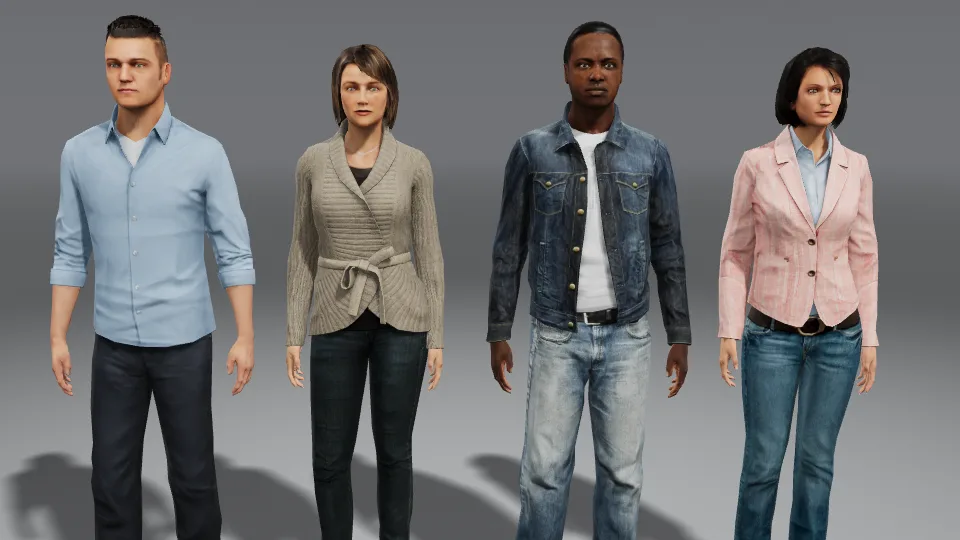
Everybody, waist up.
A crew reacting together.
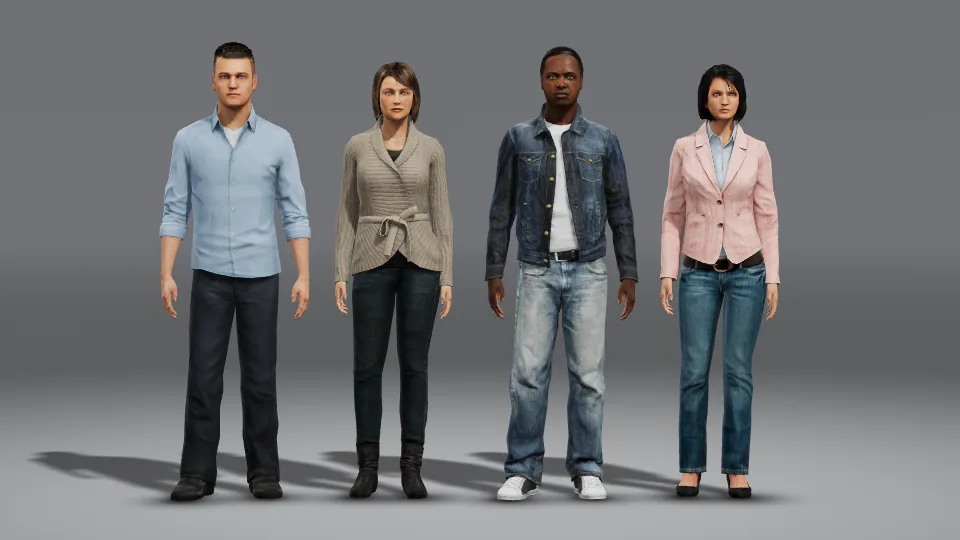
A row, square on, long lens.
Suspects, recruits, a contest.
What is sharp and what is soft?
Focus decides which distance is sharp. Shallow focus keeps one plane sharp, deep focus keeps near and far sharp, and a split diopter keeps two separate planes sharp.
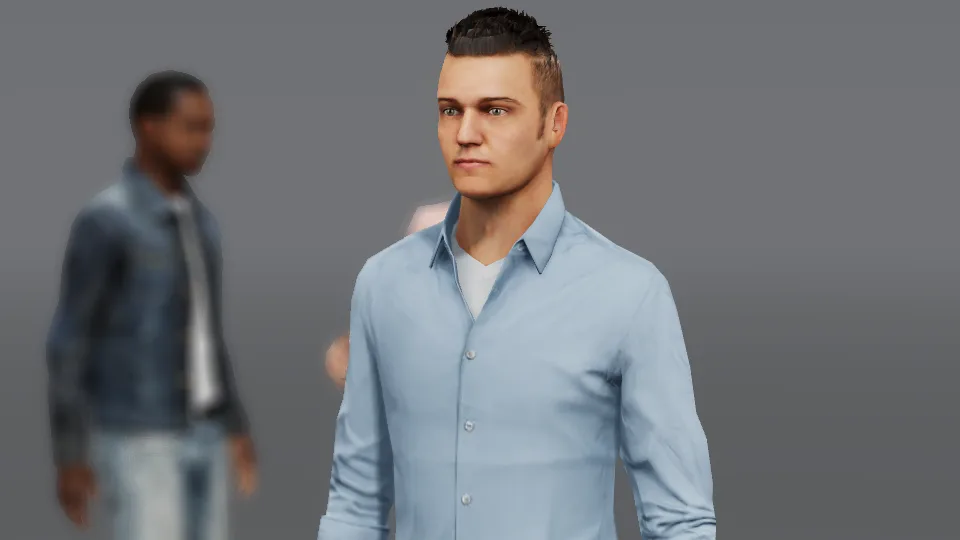
Only the subject is sharp.
Portraits, attention, beauty.
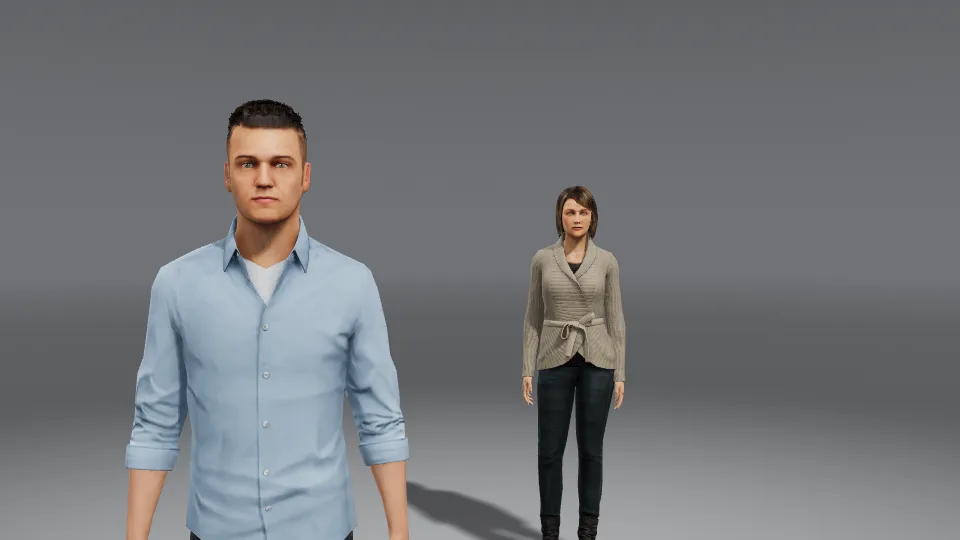
Everything is sharp from near to far.
Letting the eye choose, staging in depth.
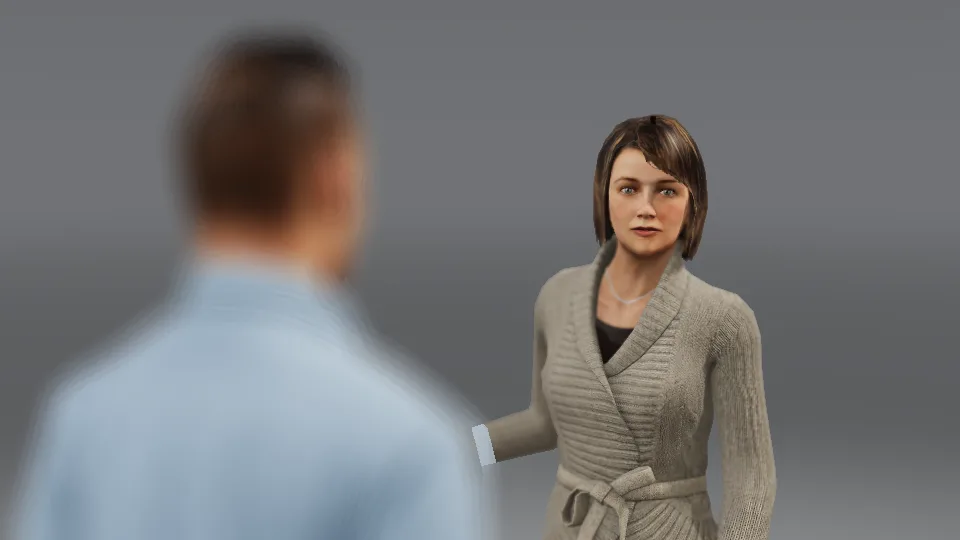
Something blurred close to the lens, the subject sharp behind it.
Spying, depth, softness.
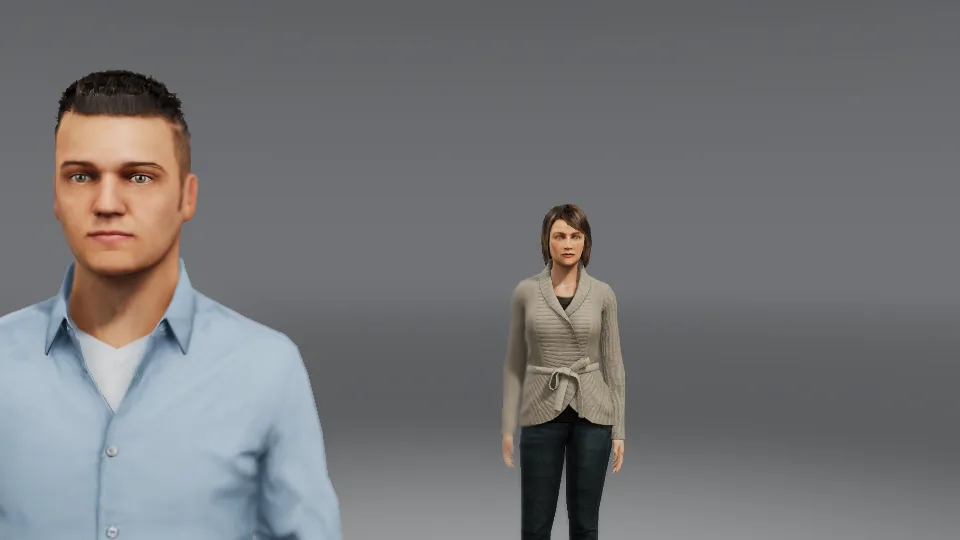
A near face and a far face, both sharp.
Two people who do not see each other.
Does the camera come closer or pull away?
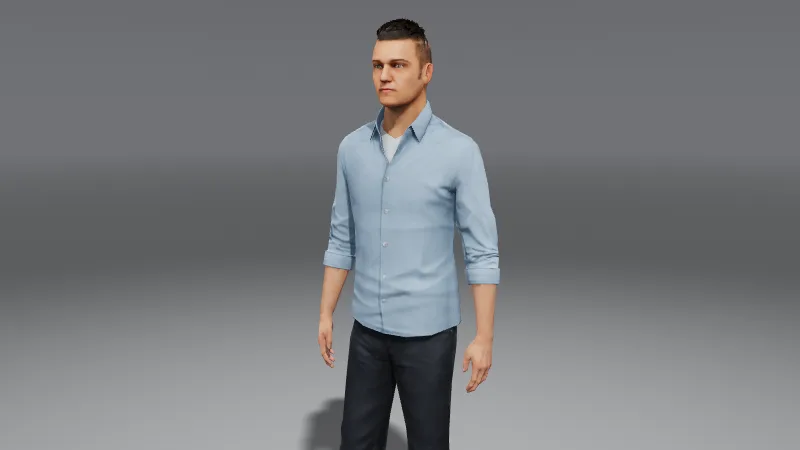
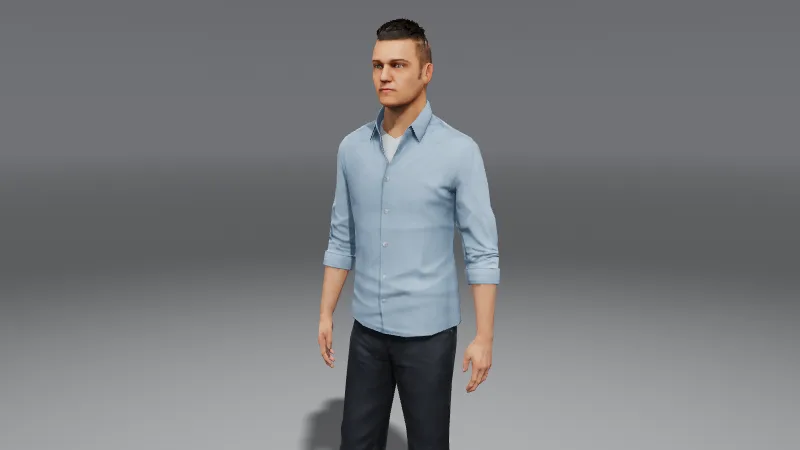
A dolly carries the camera toward or away from the subject. Near things change size faster than far ones, so the perspective changes during the move.
 AB
The camera does not move at all.
Comedy, dread, letting actors play.
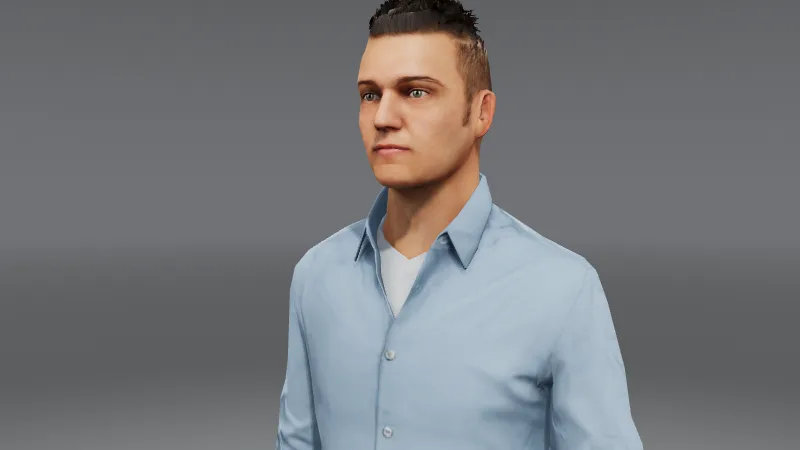 AB
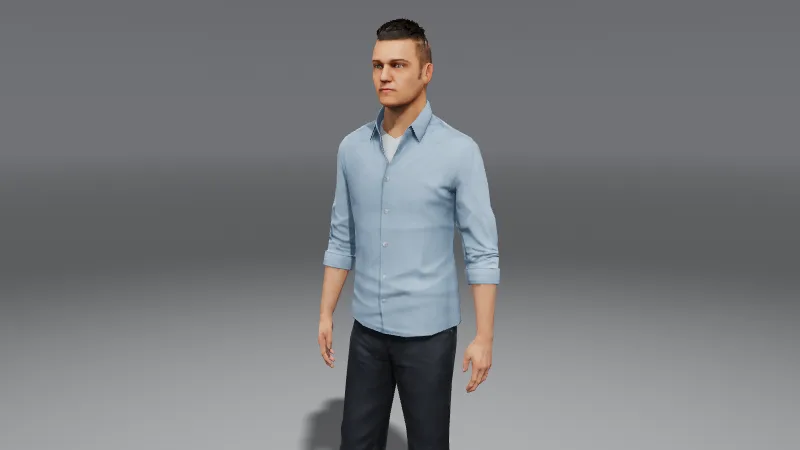
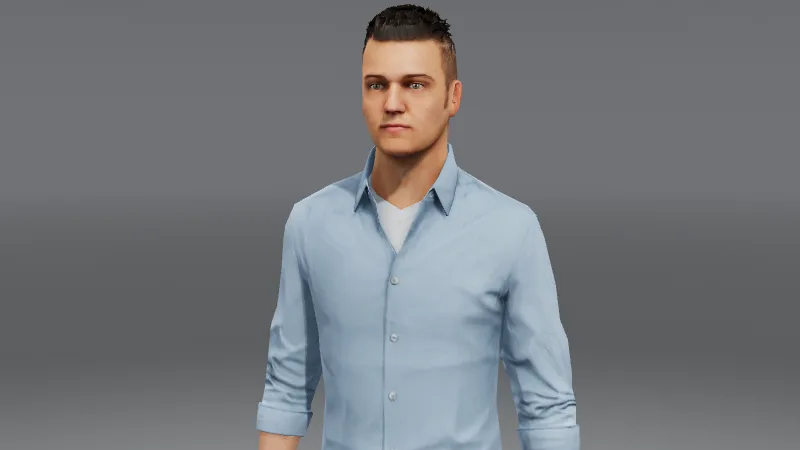
The camera moves toward the subject.
A realization, rising tension.
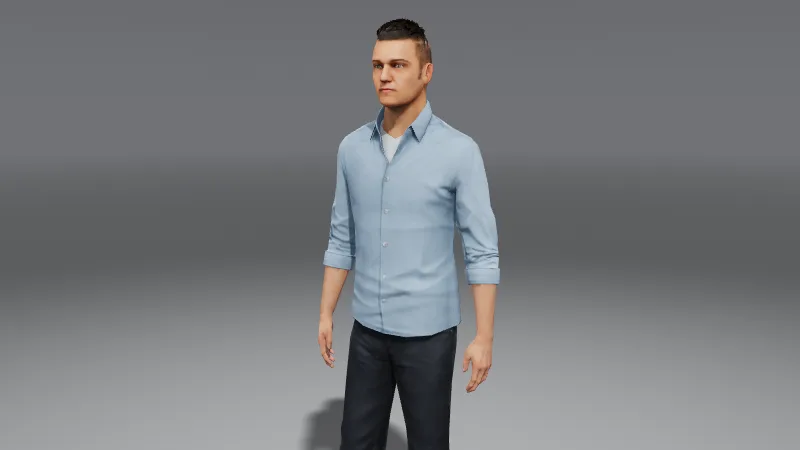
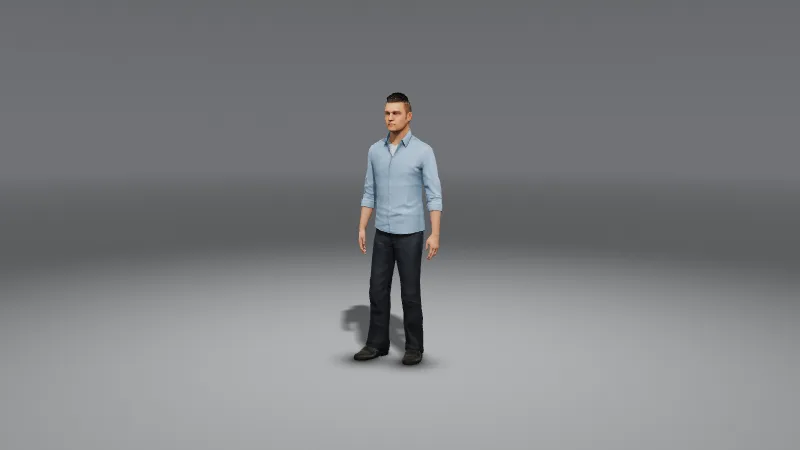 AB
The camera moves away from the subject.
Leaving, isolation, revealing the room.
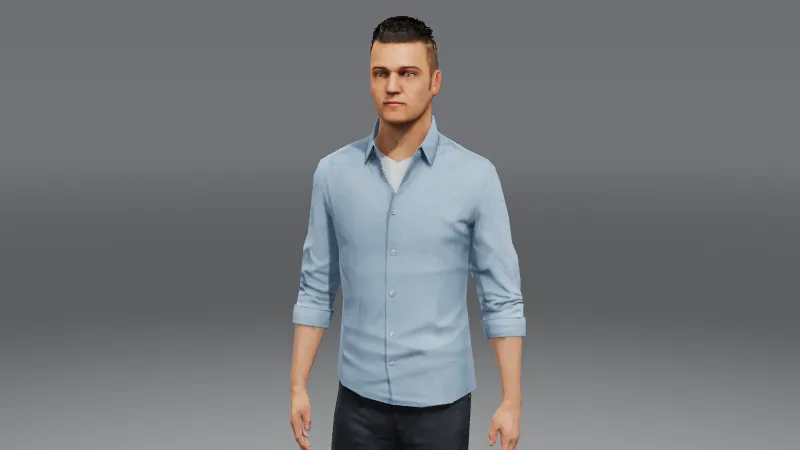
 AB
A barely visible move closer.
Confession, dread, a thought forming.
Does it slide sideways?
A truck carries the camera sideways. Things close to the lens rush past while the distance hardly moves, and that difference is what makes a flat picture feel deep.
 AB
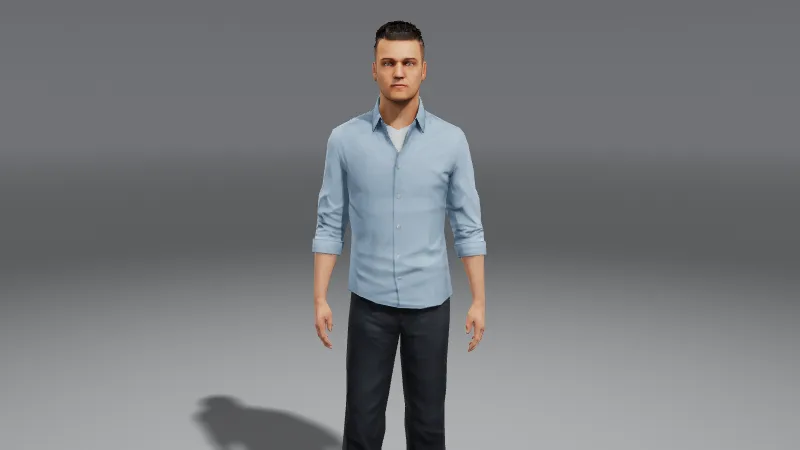
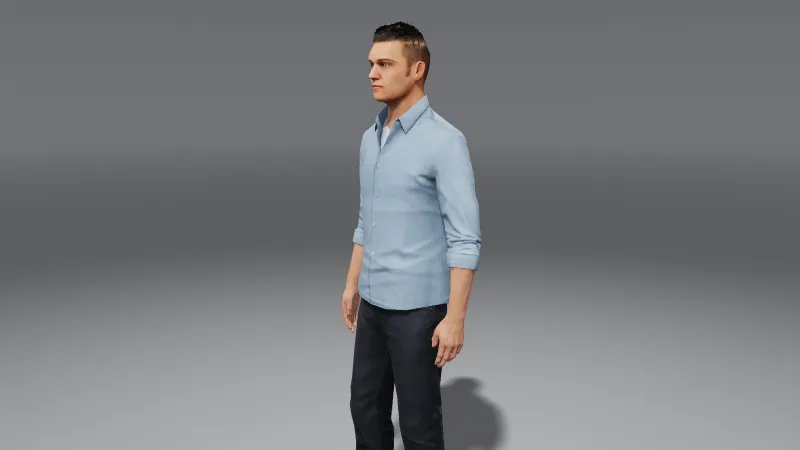
The camera slides right, panning to hold the subject.
Adds life to a still moment.
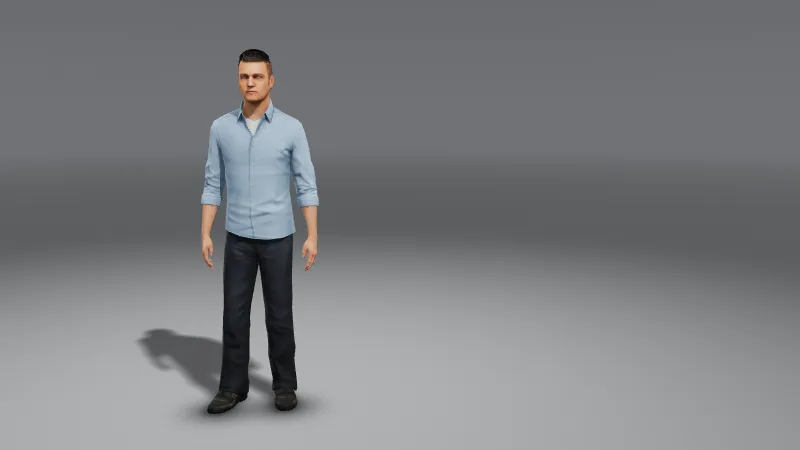 AB
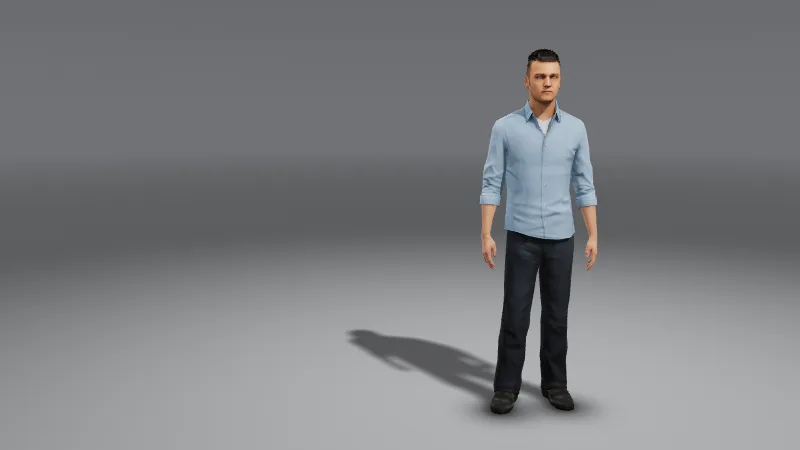
A straight slide that never turns its head.
Passing by, museum calm, Wes Anderson style.
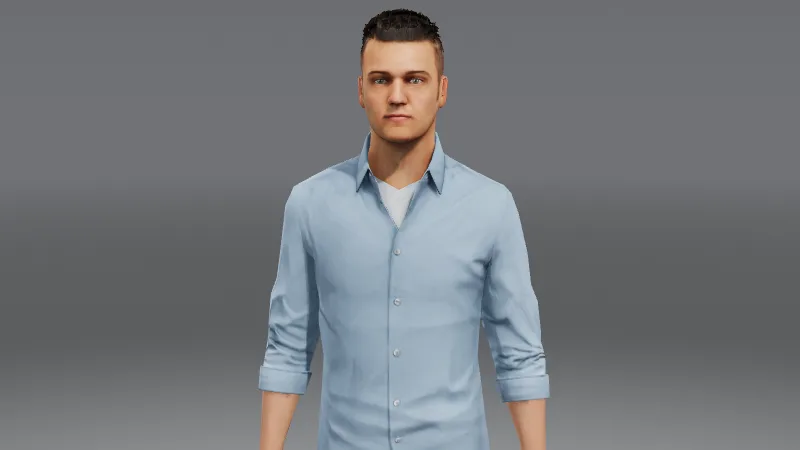
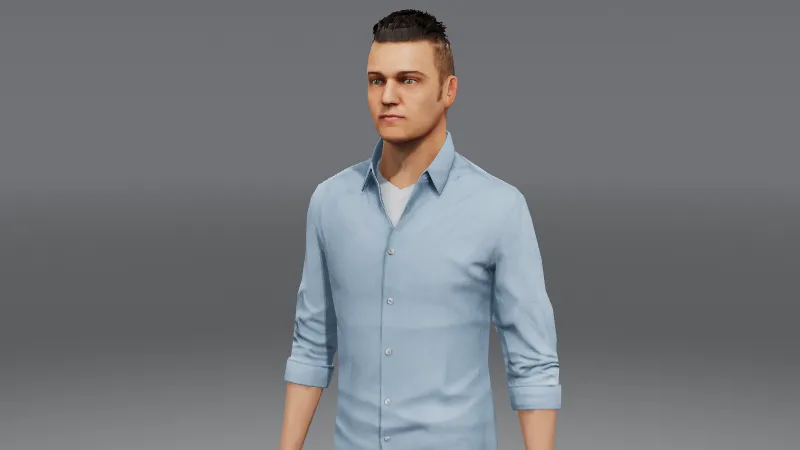 AB
A short, smooth slide of a step or so.
Products, interviews, details.
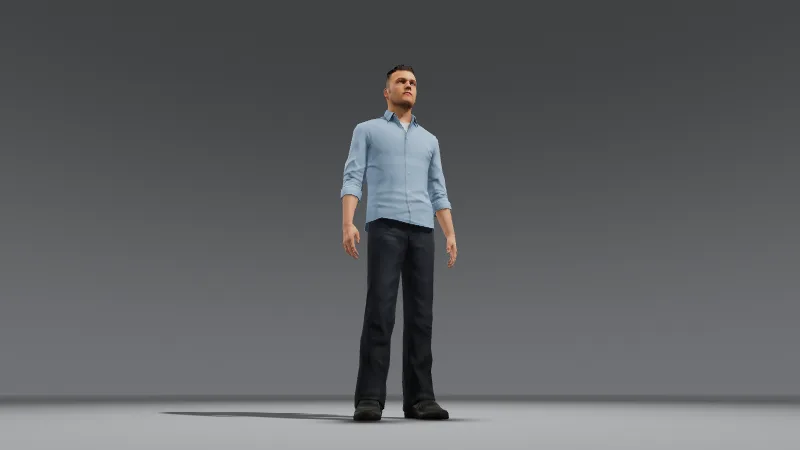
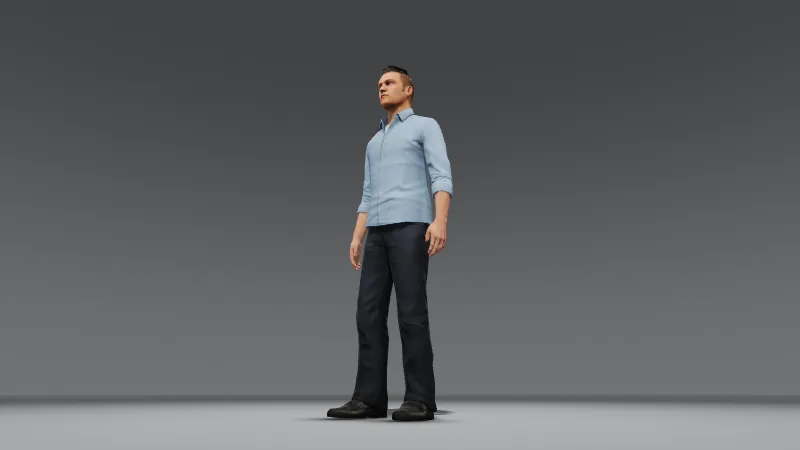 AB
A slide just above the ground.
Sneakers, dance, skateboards.
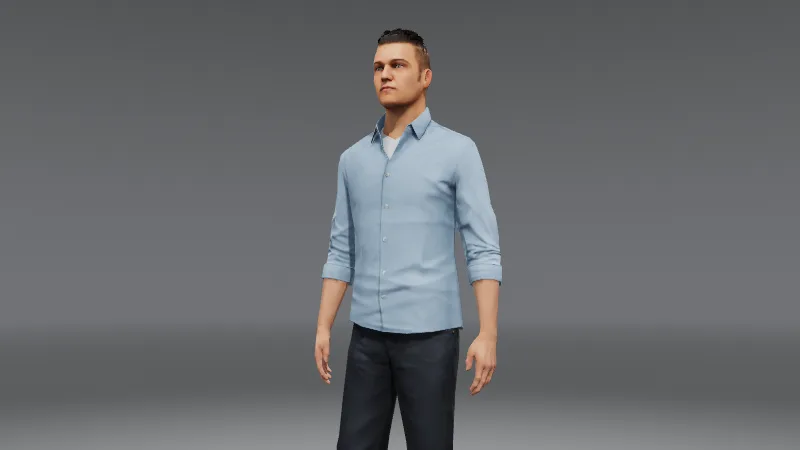
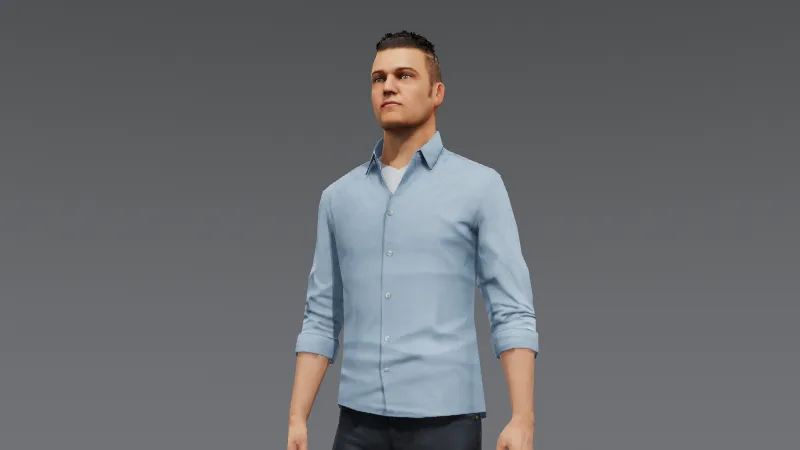
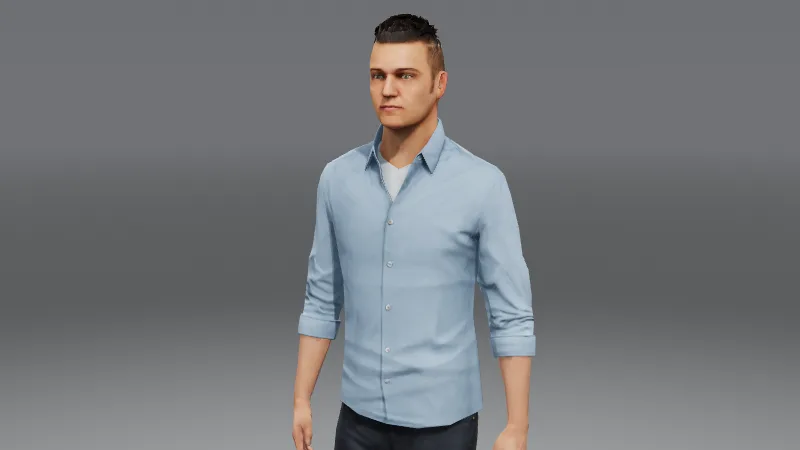
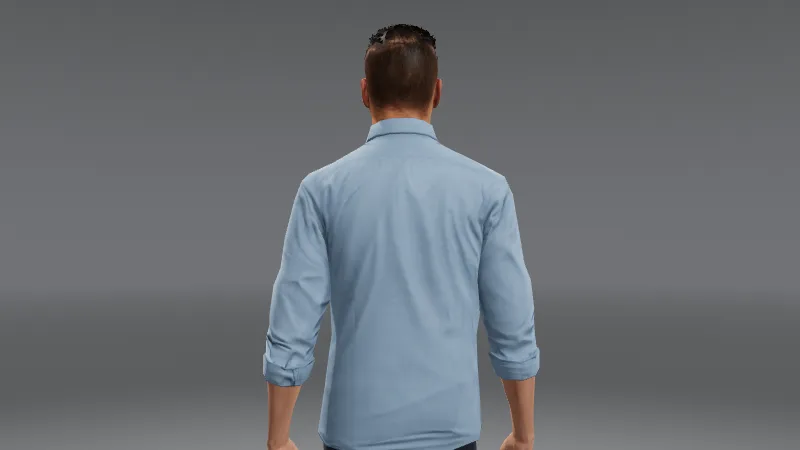
Does it rise or fall?
Going up gives a wider view and takes away closeness. Coming down does the opposite, and brings us to somebody.
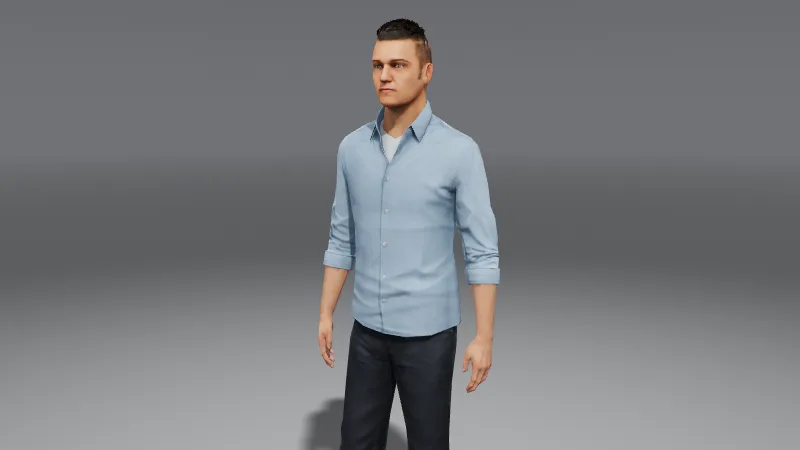
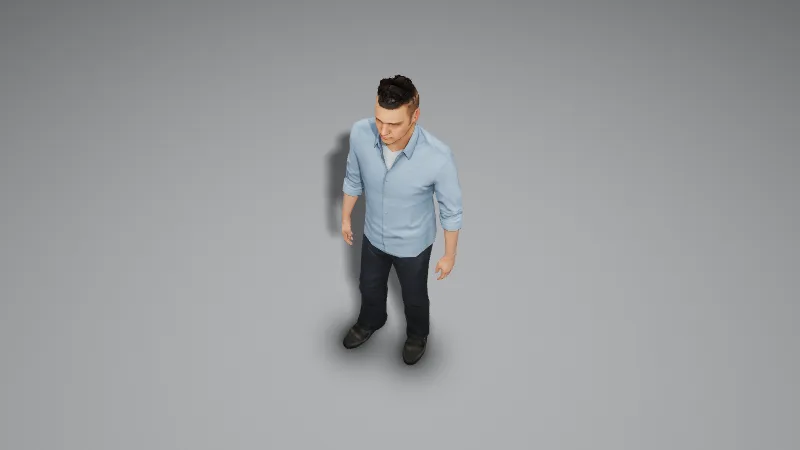 AB
The camera rises.
Endings, revealing a crowd or a city.
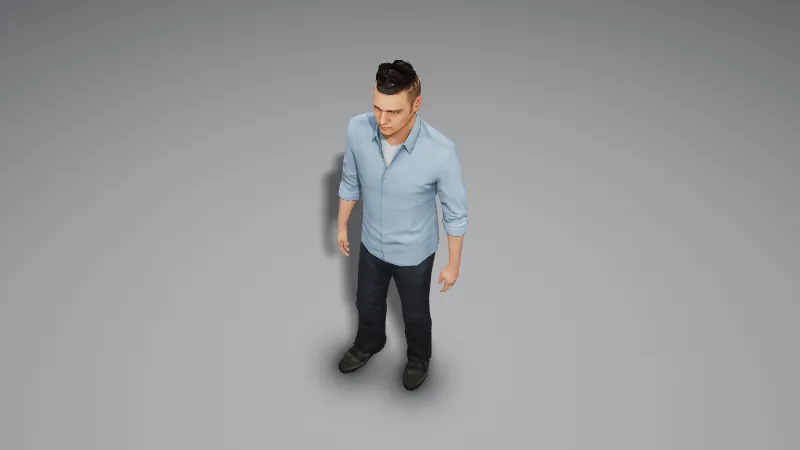
 AB
The camera comes down.
Openings, arriving at a character.
 AB
A short lift, staying level.
Standing up with somebody, small reveals.
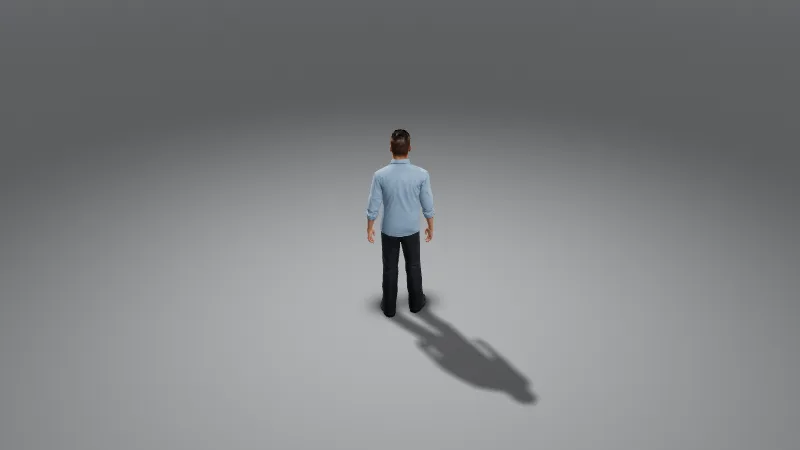 AB
Rises from behind to show what lies ahead.
Armies, landscapes, the goal.
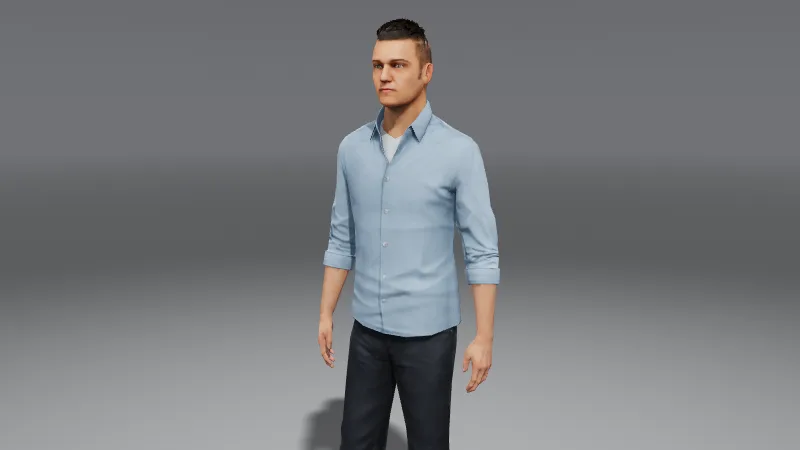
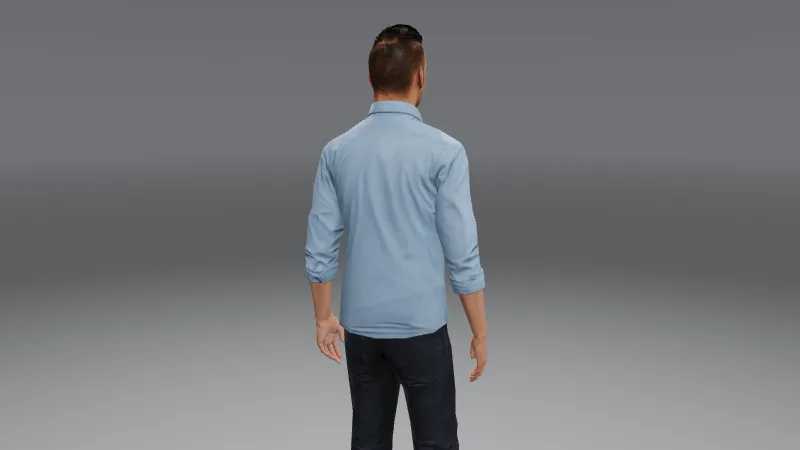
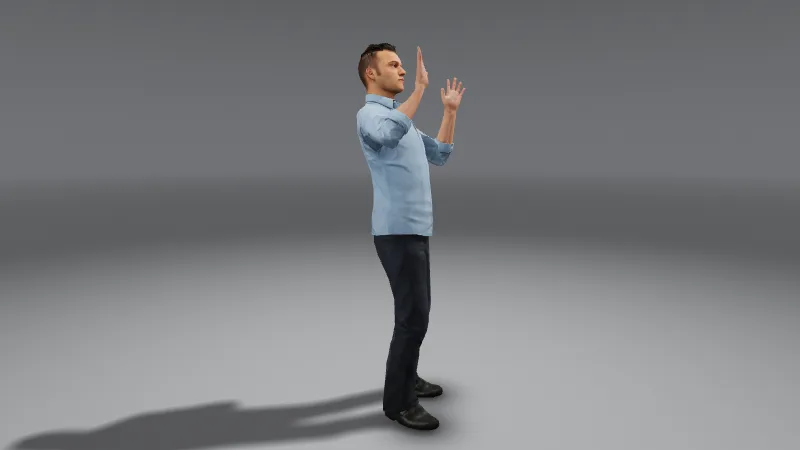
Does it circle the subject?
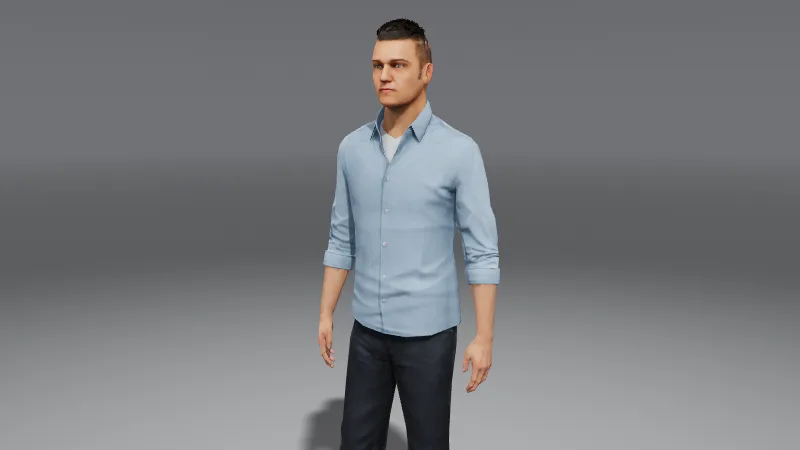
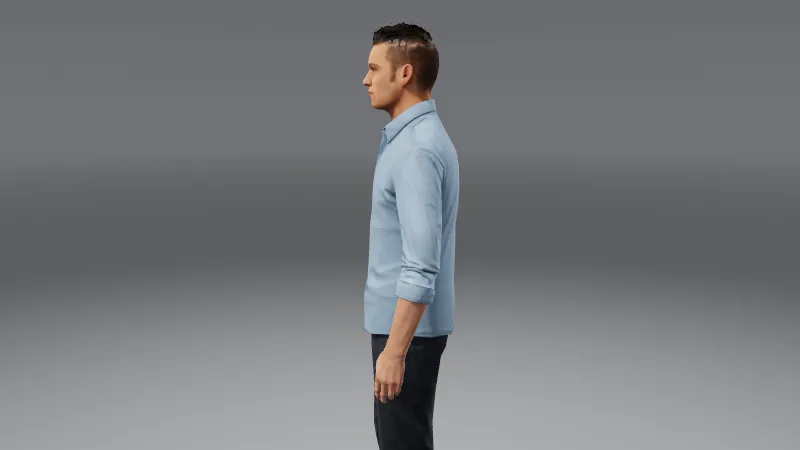
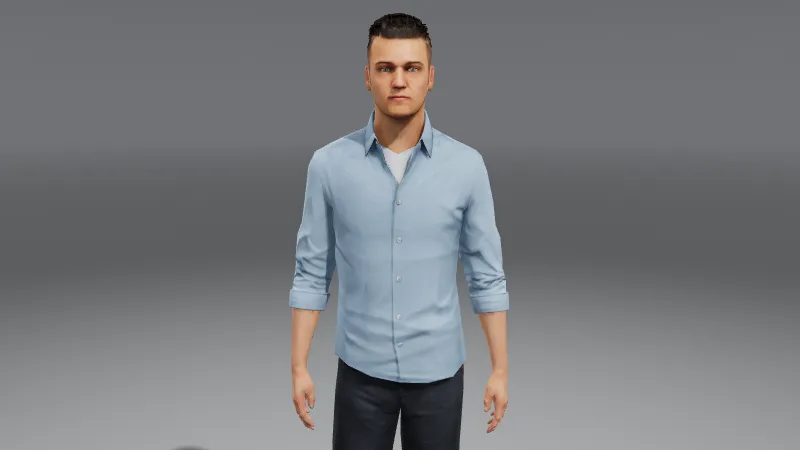
The camera circles while the subject stays in the middle of the frame. The person holds still and the world turns behind them.
 AB
Part of a circle, moving right.
Adds depth to a still subject.
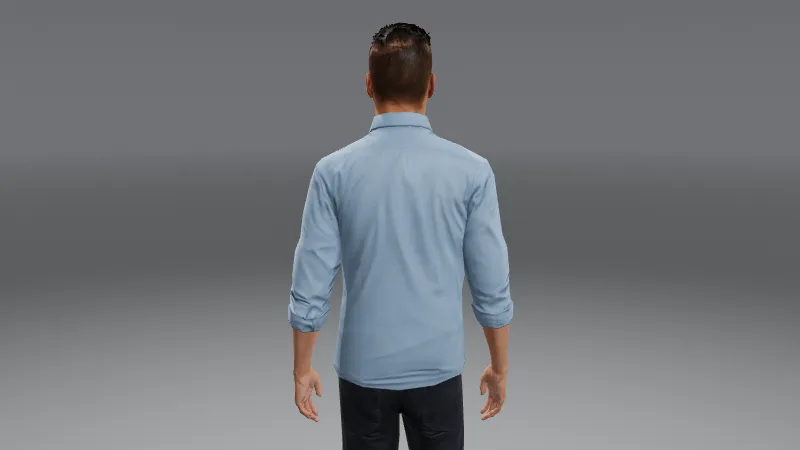 AB
From the front round to the back.
Turning from a face to what it sees.
 AB
A whole circle around the subject.
Hero moments, product reveals.
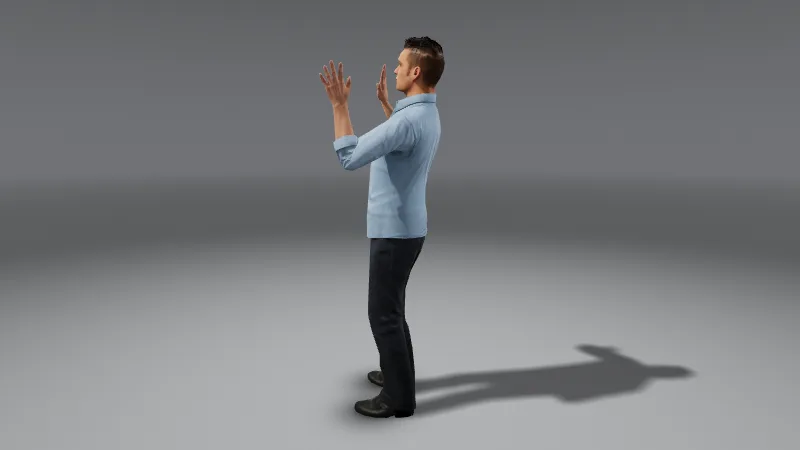 AB
The camera moves around a frozen or slowed moment.
Action frozen in mid-air.
Does the lens change while the camera stays?
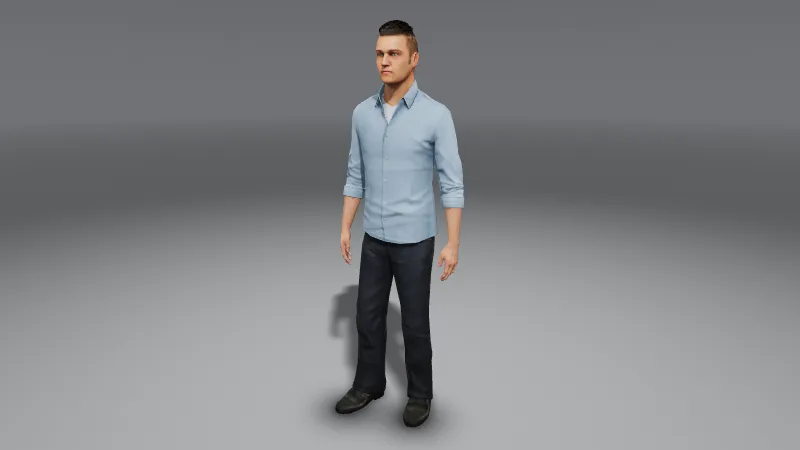
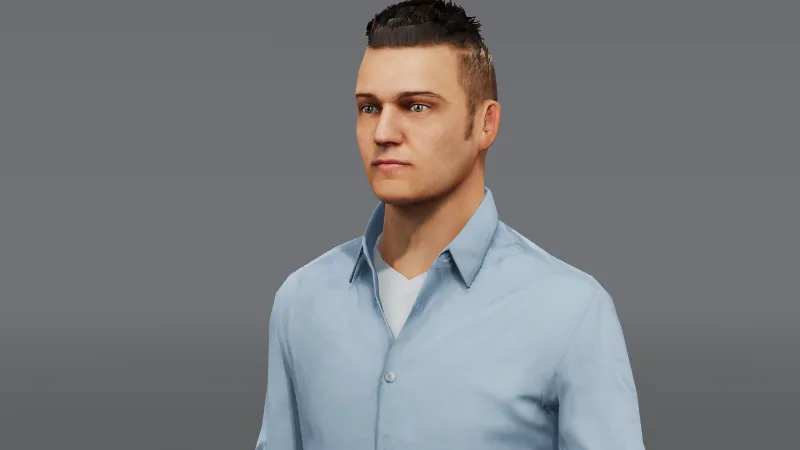
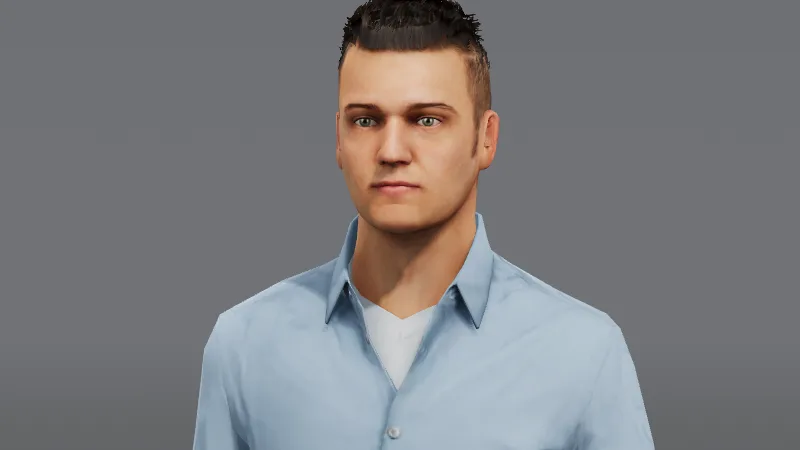
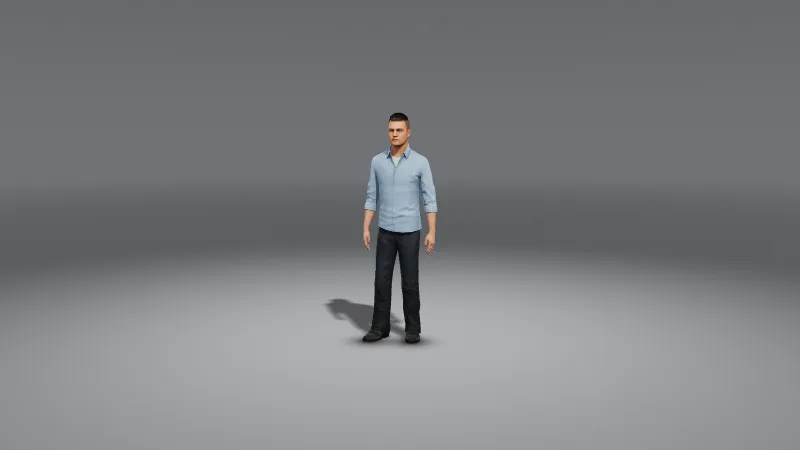
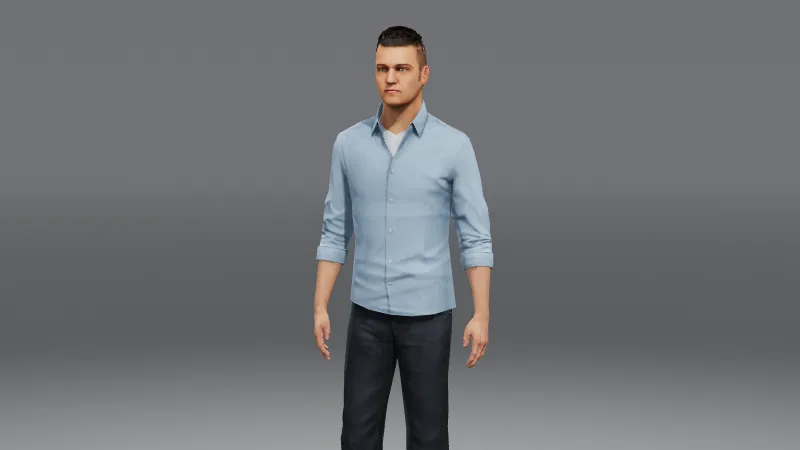
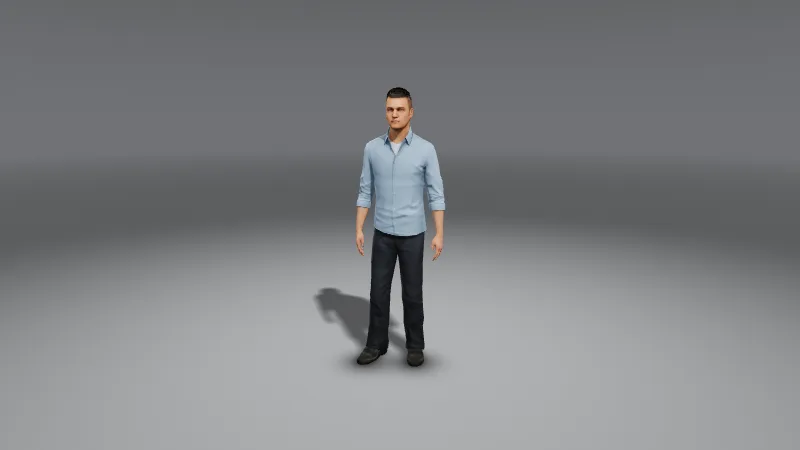
A zoom changes the lens while the camera stays where it is. Everything grows or shrinks together and there is no parallax, which is how a zoom differs from a dolly.
 AB
The lens gets longer, the camera stays.
Sudden attention, a 1970s feel.
 AB
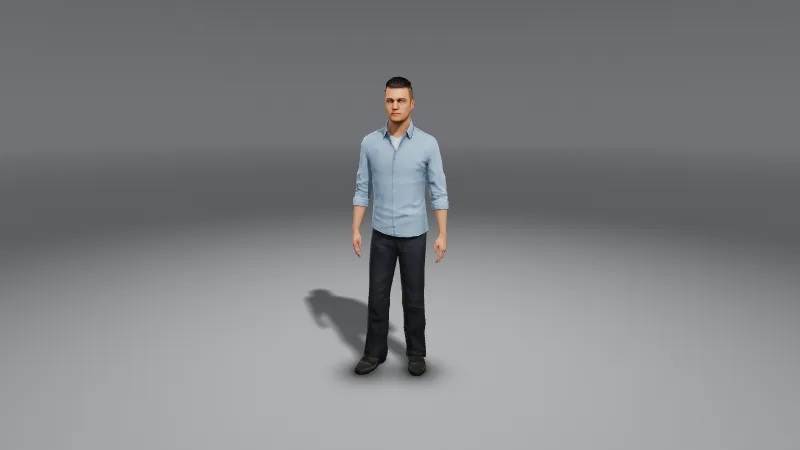
A zoom so fast it jolts.
Surprise, comedy, kung fu.
 AB
A zoom so slow you notice late.
Paranoia, documentaries, 1970s thrillers.
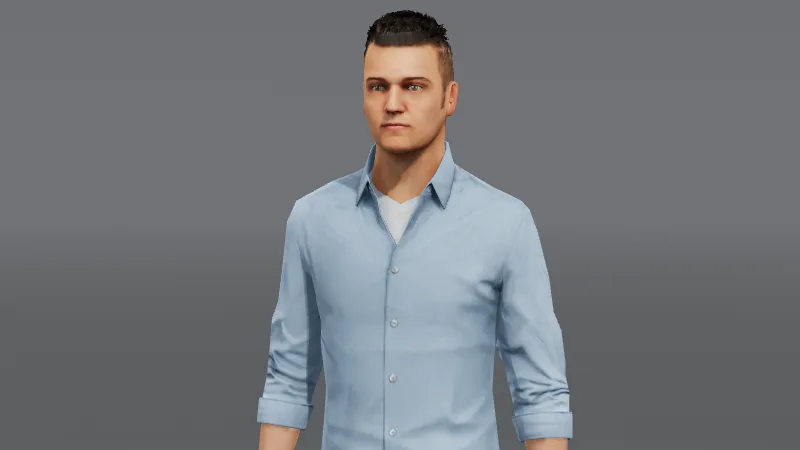 AB
A quick, decisive push of the lens.
Pointing something out, music videos.
Does the camera turn where it stands?
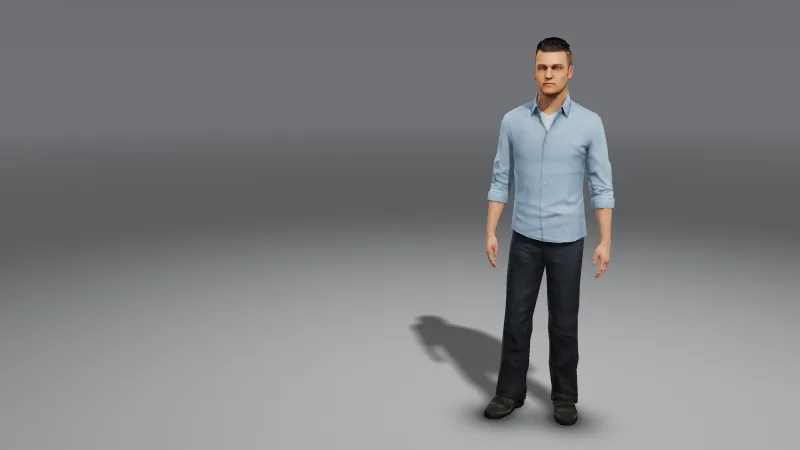
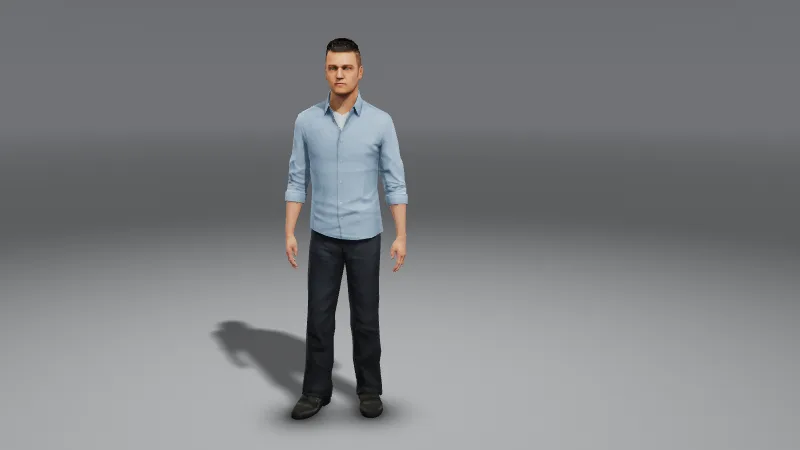
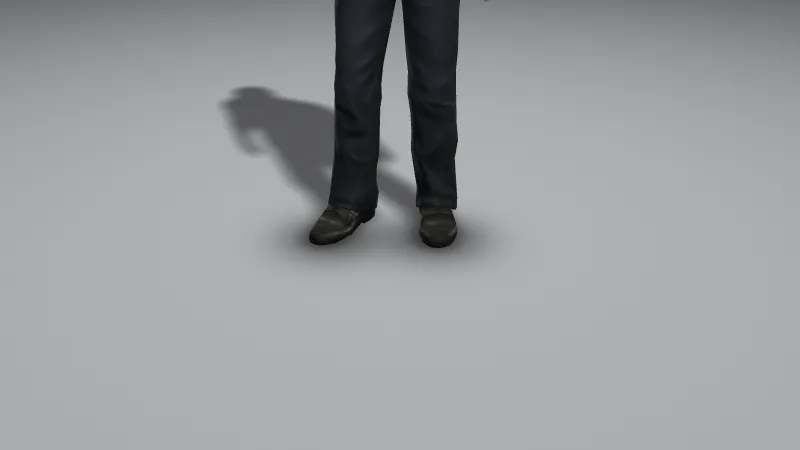
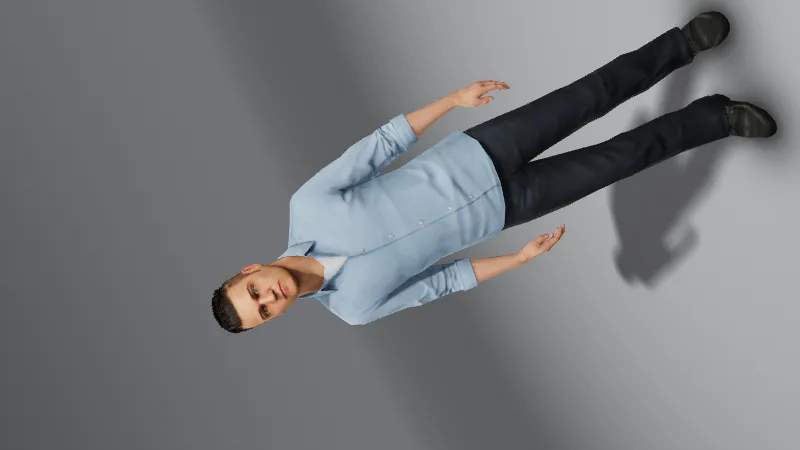
The camera turns without going anywhere. A pan looks sideways, a tilt looks up or down, and a roll tips the world over.
 AB
Turns right from a fixed spot.
Following a look, revealing who enters.
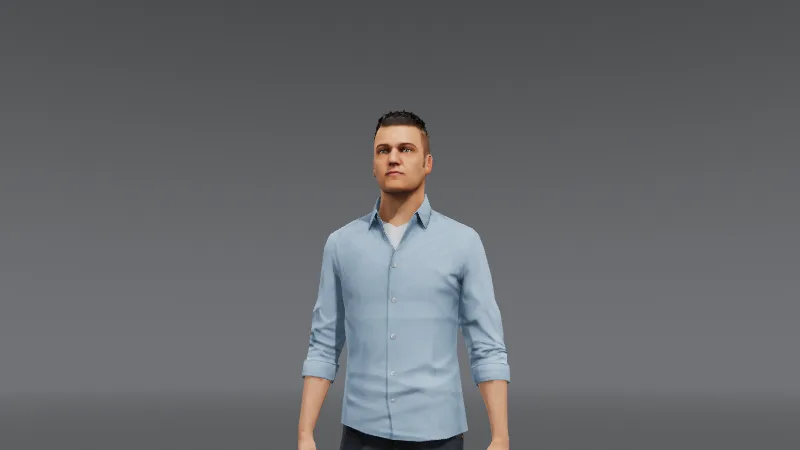 AB
Looks up from a fixed spot.
Height, power, feet to face.
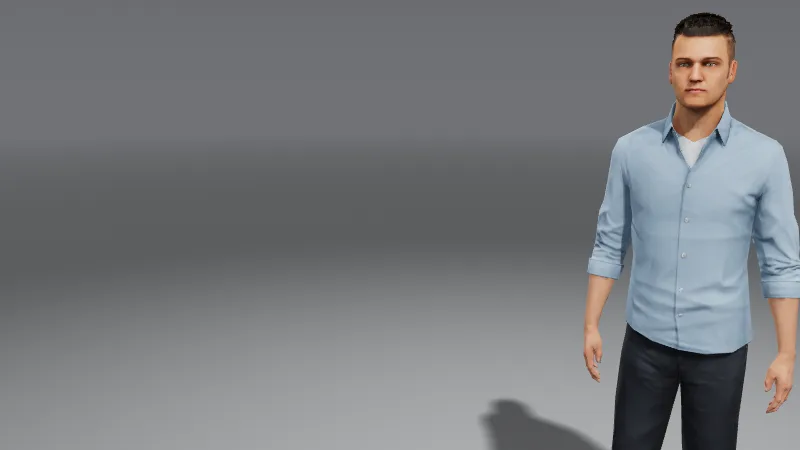
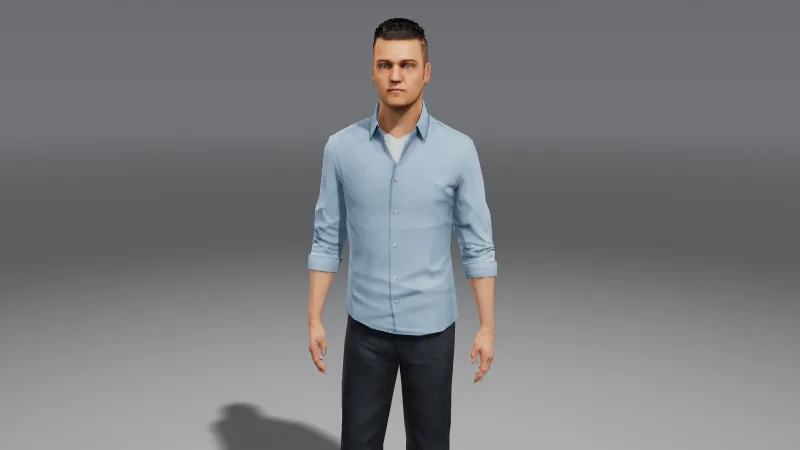 AB
A turn so fast it blurs.
Scene changes, comedy, action.
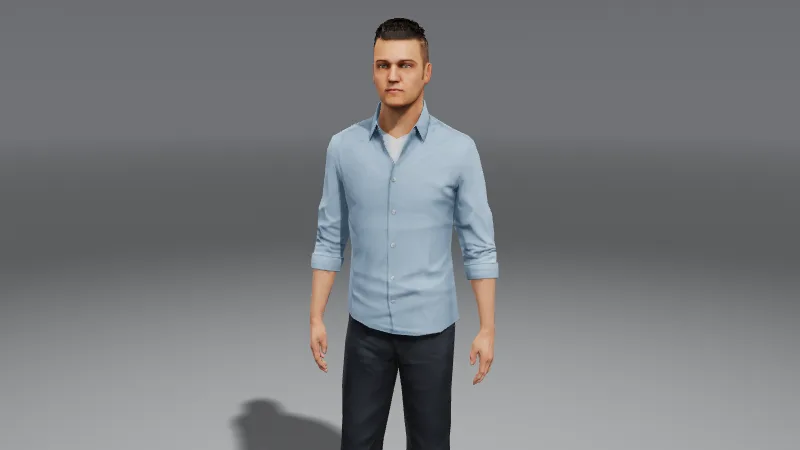
 AB
Turns round its own axis.
Losing control, drunk, upside down.
Does it travel with somebody who is moving?
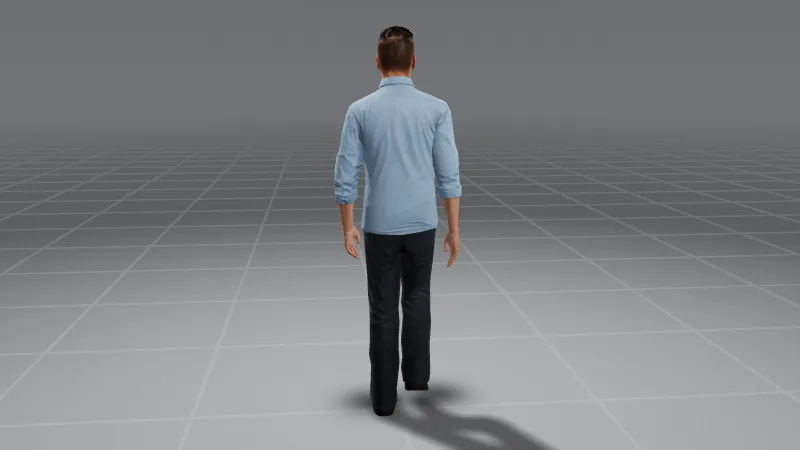
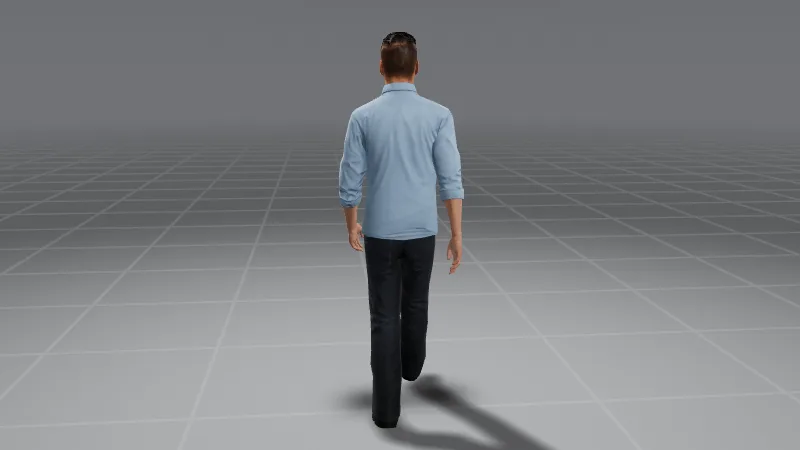
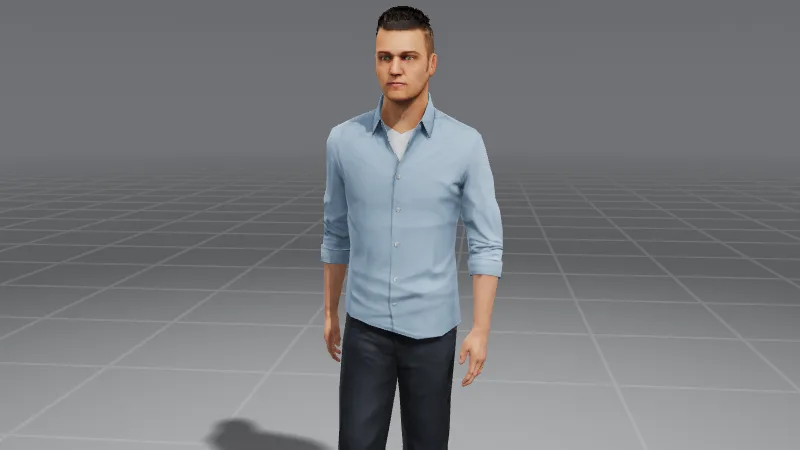
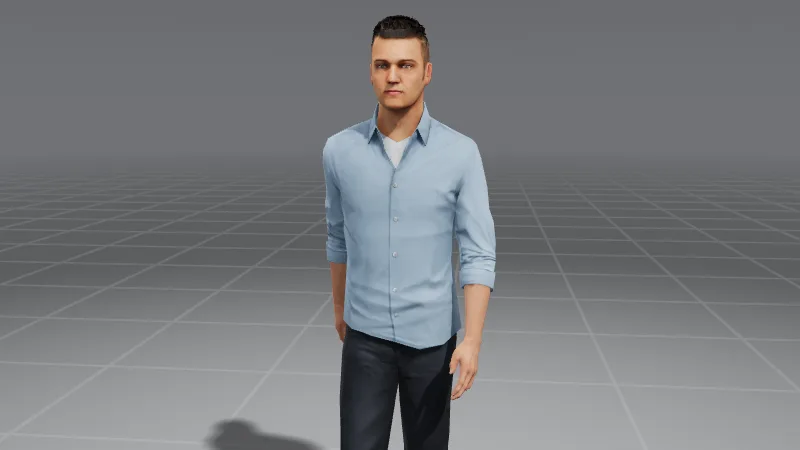
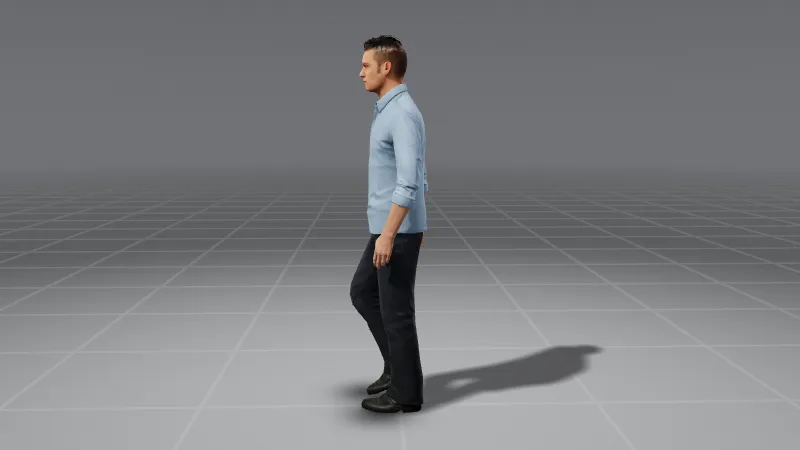
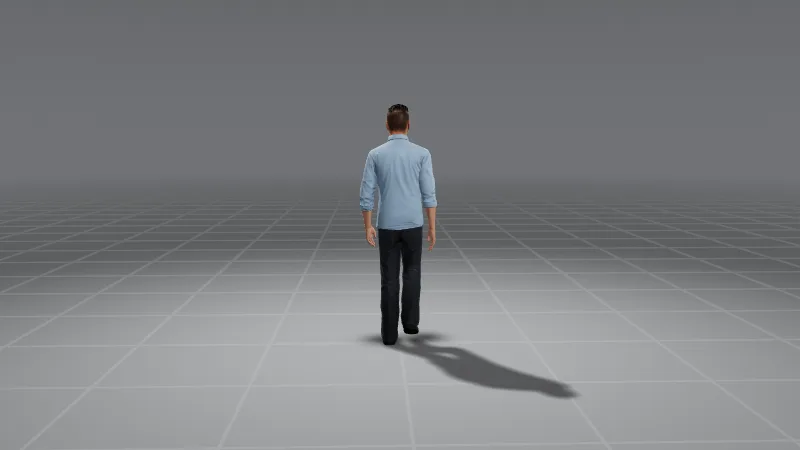
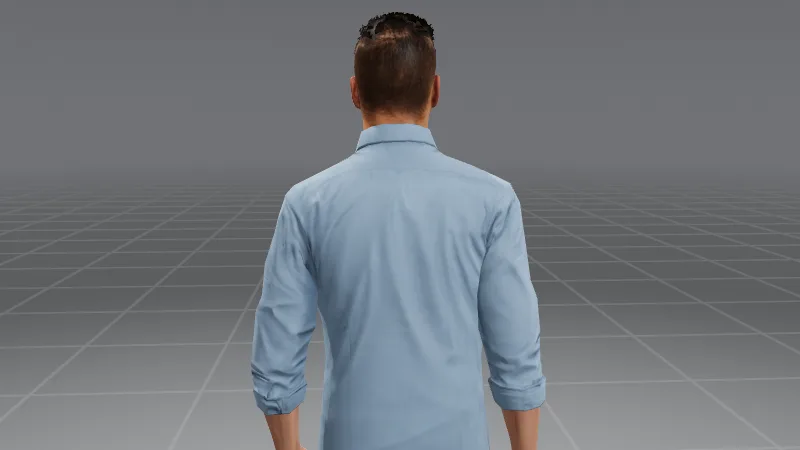
The camera travels with somebody who is moving. From behind it shows where they are going, from ahead it shows the face, and from beside it shows the path.
 AB
Walks behind the subject.
Arriving, exploring, video games.
 AB
Walks backward in front of the subject.
Dialogue on the move, power walks.
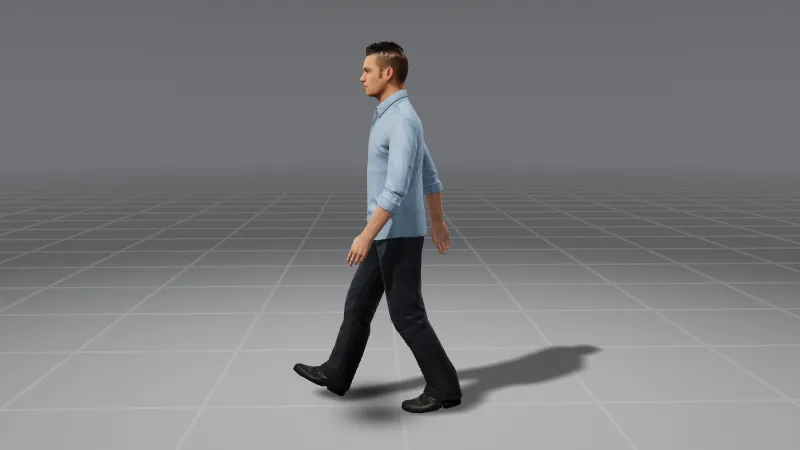 AB
Travels alongside in profile.
Journeys, time passing.
 AB
Follows and closes in.
A pursuer, a secret about to be told.
Do we feel the person holding it?
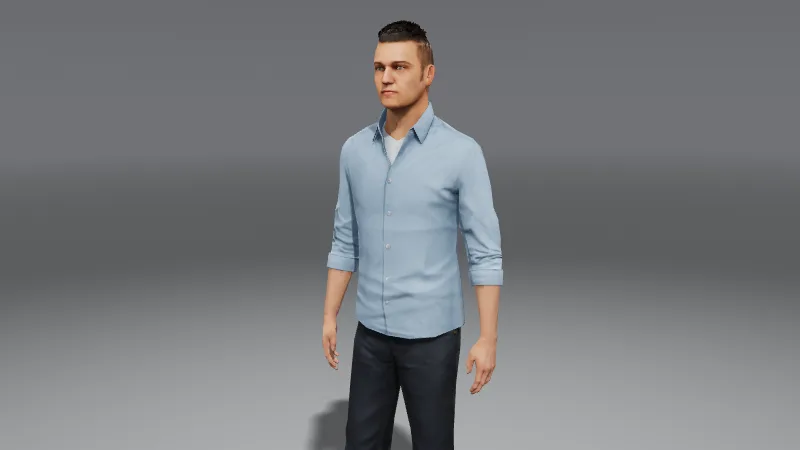
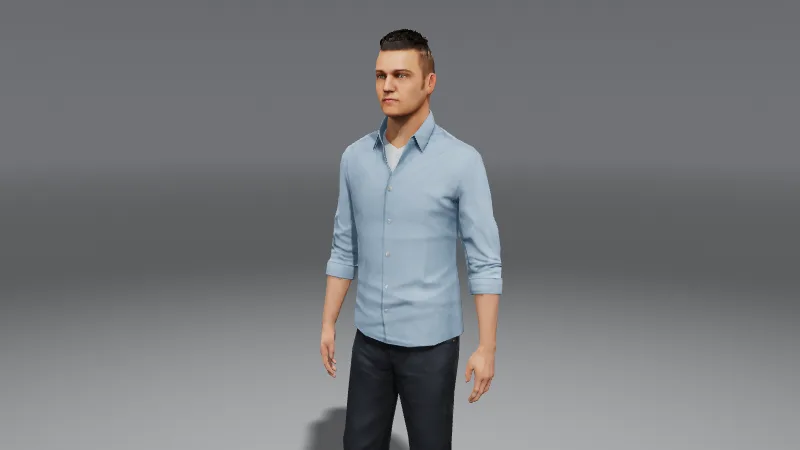
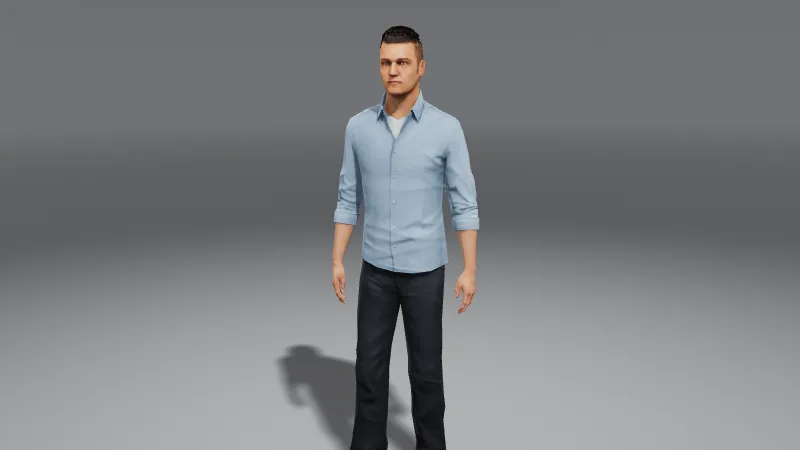
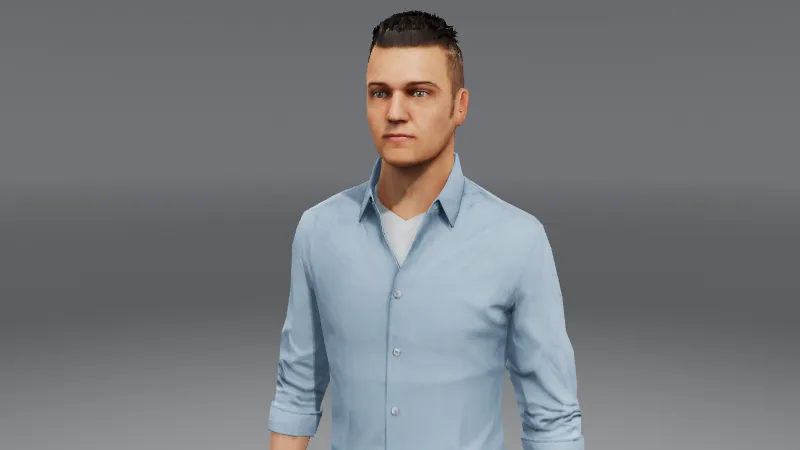
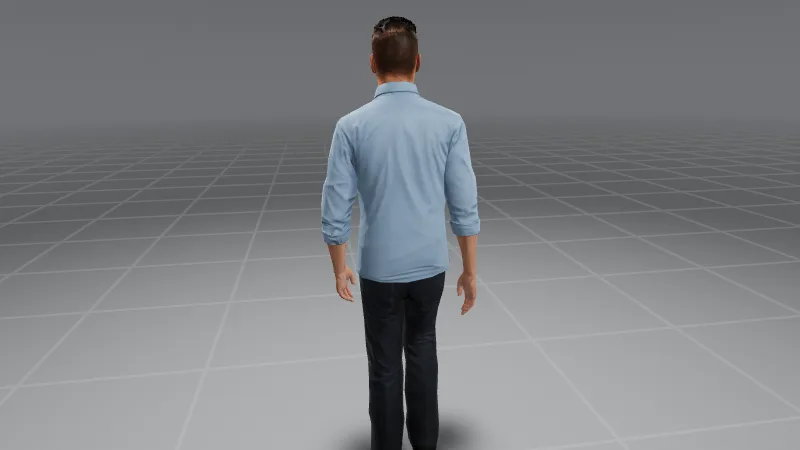
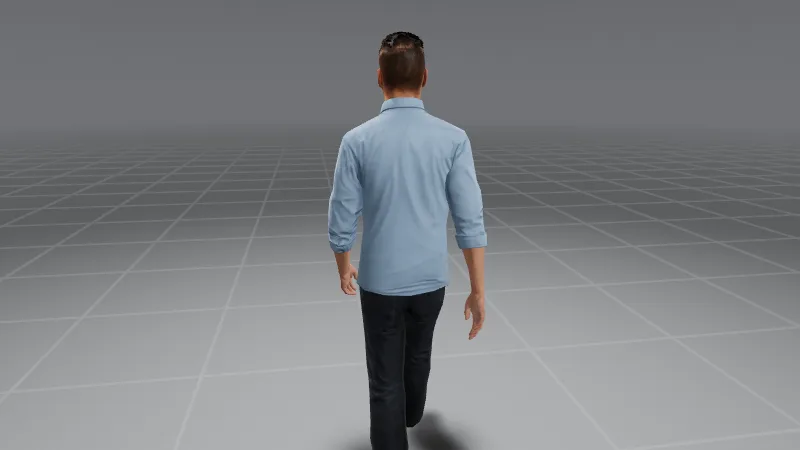
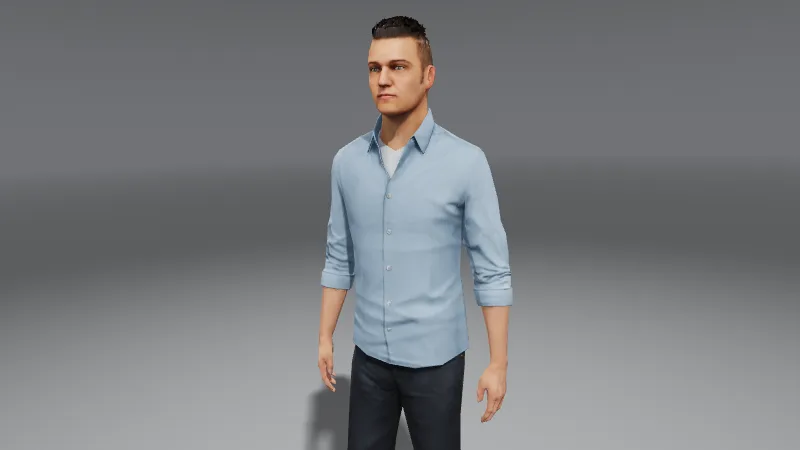
A handheld camera moves with the person holding it. The movement can be barely visible, rough, or smoothed out by a stabilizer such as a Steadicam.
 AB
A still frame held by hand.
Documentary, intimacy, unease.
 AB
Steps closer by hand.
News, arguments, horror.
 AB
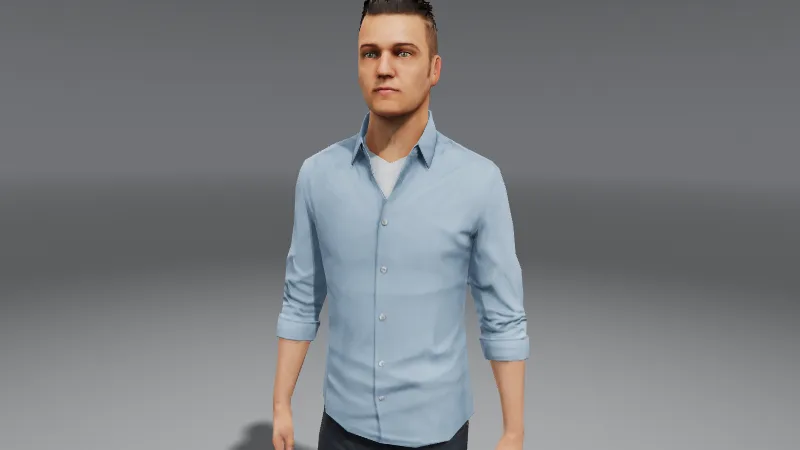
Follows on foot.
Found footage, war, realism.
 AB
Badly shaken.
Fights, earthquakes, panic.
Does it fly?
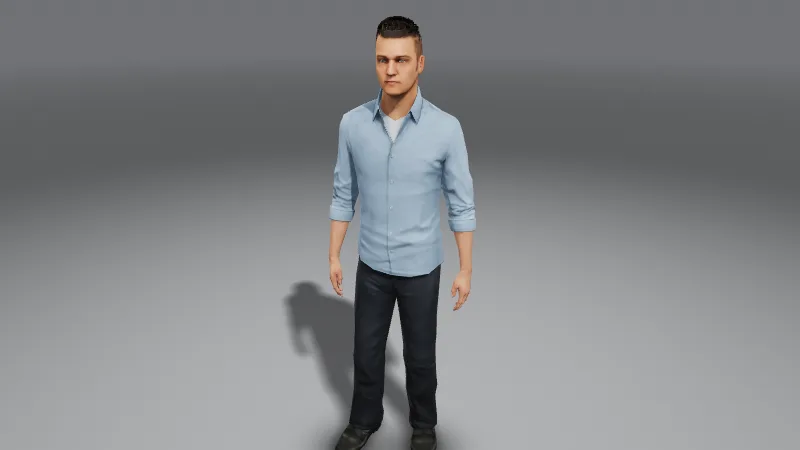
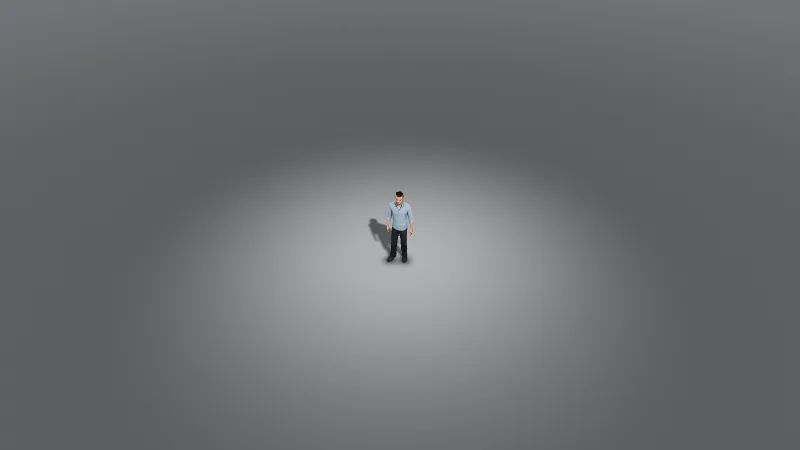
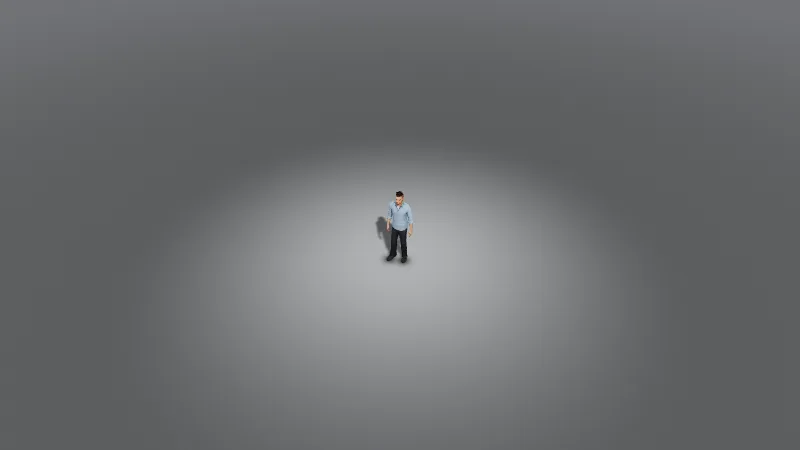
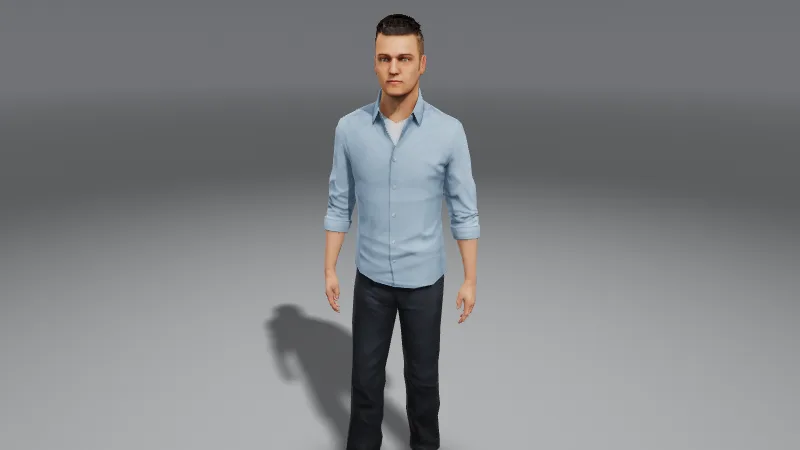
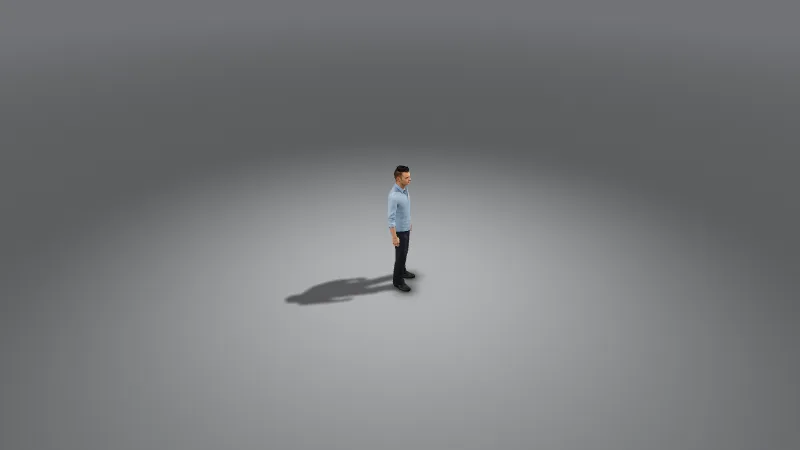
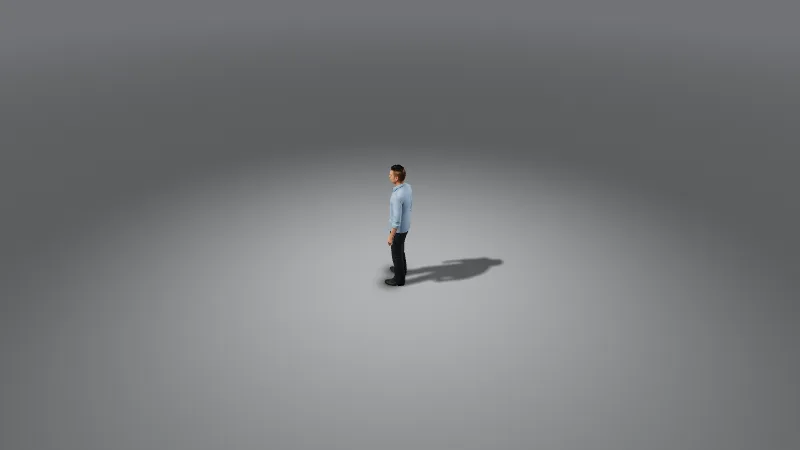
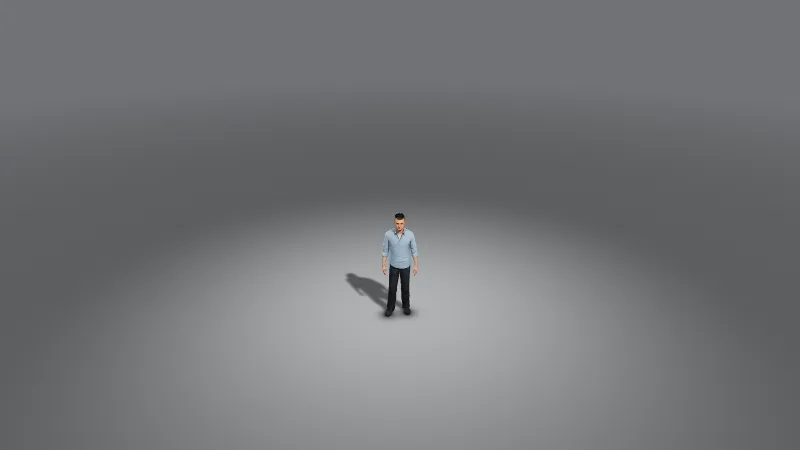
From above, people become small and the place becomes visible. The camera can fly in, fly out, circle, or look straight down like a map.
 AB
Rises and backs away.
Last shots, travel.
 AB
Comes down out of the sky.
First shots, finding someone.
 AB
A wide circle from above.
Real estate, monuments, lone figures.
 AB
Passes straight overhead.
Maps, armies, tiny people.
Does it travel between people?
With two people a move can change sides. It can start with one and end with the other, push past a shoulder, or walk along with both.
 AB
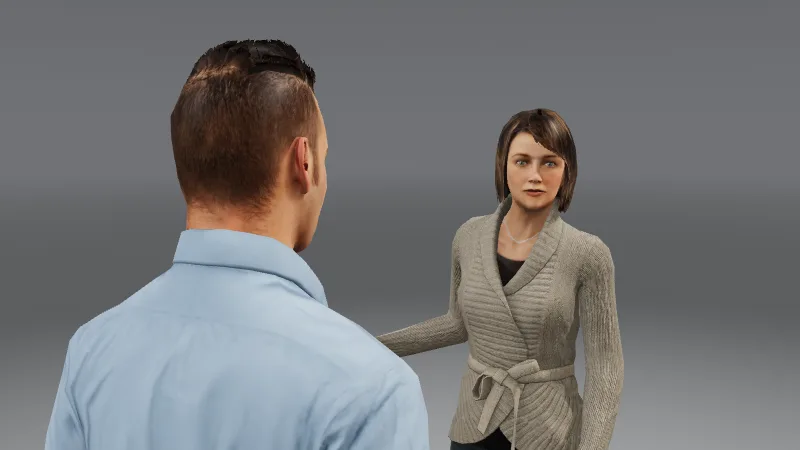
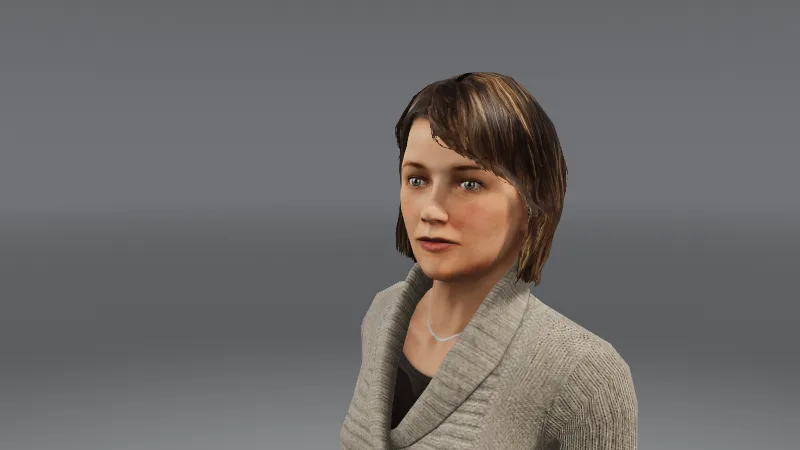
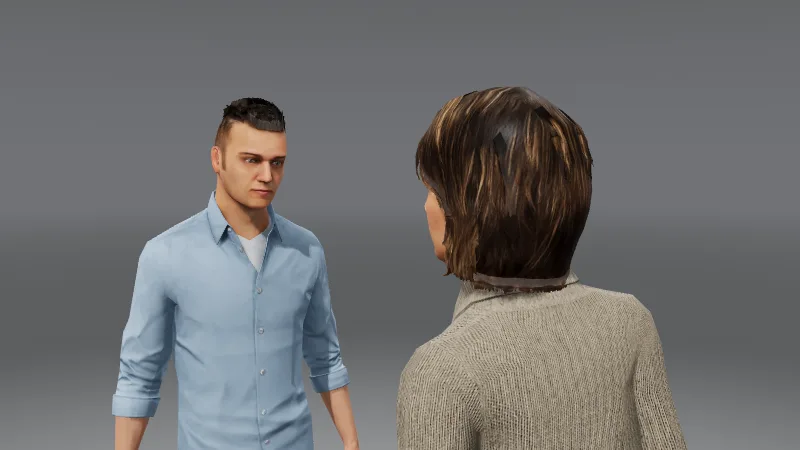
From over the shoulder into a close-up.
The line that changes everything.
 AB
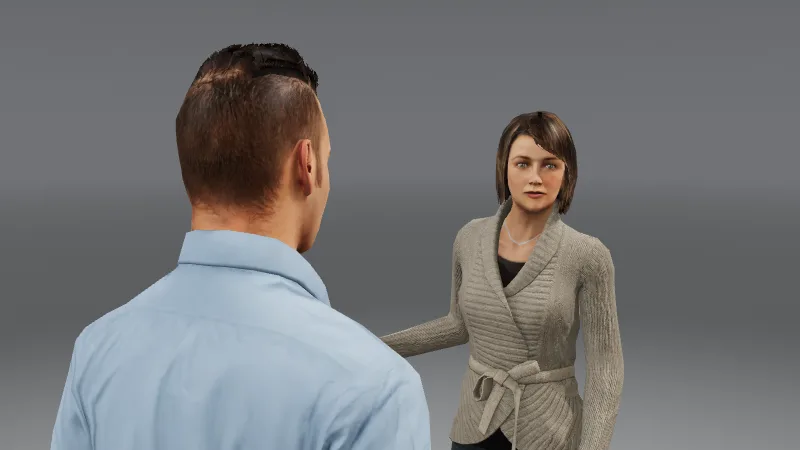
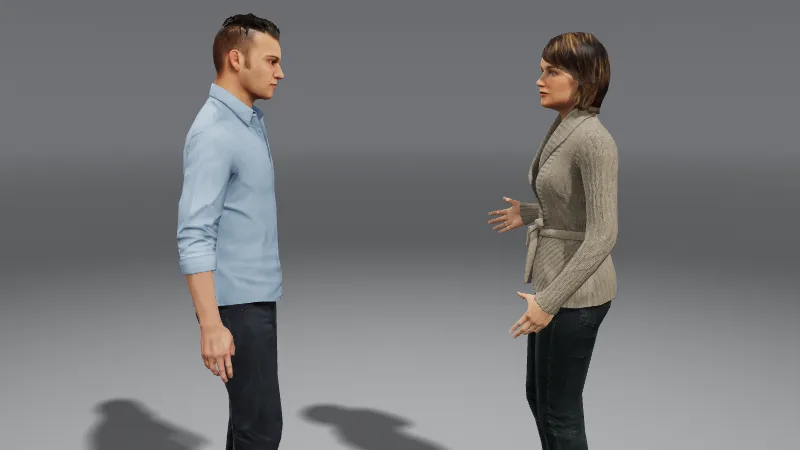
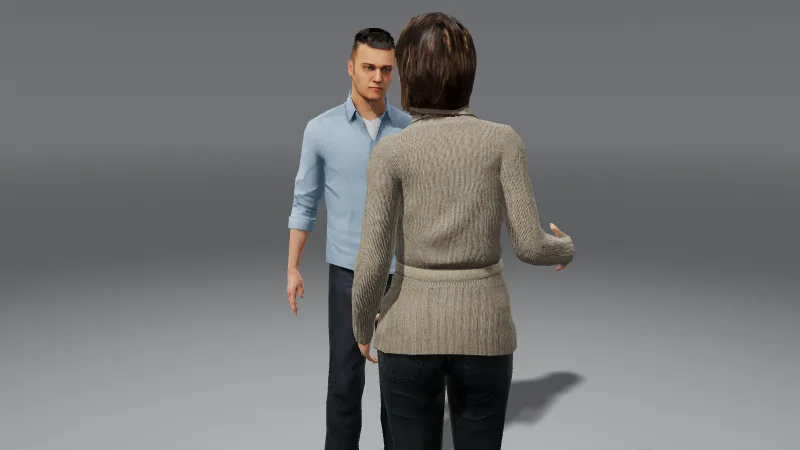
From over one shoulder round to the other.
One take instead of two shots.
 AB
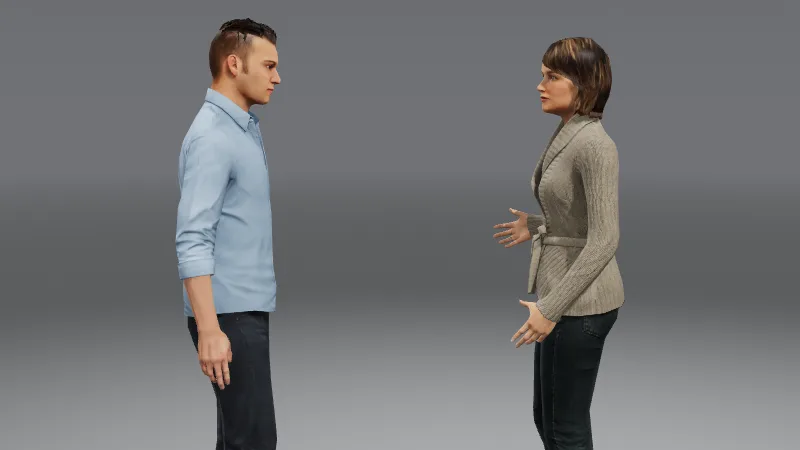
A circle round both.
Kisses, duels, reunions.
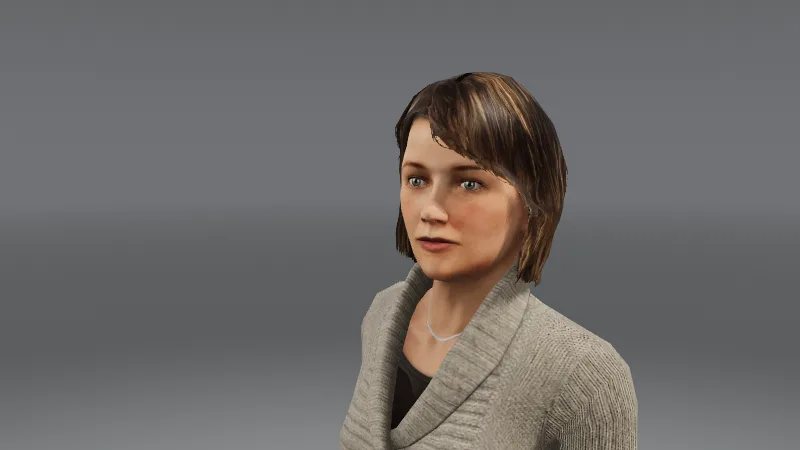 AB
Starts on both, ends on one.
Choosing a side.
What is sharp, and when does that change?
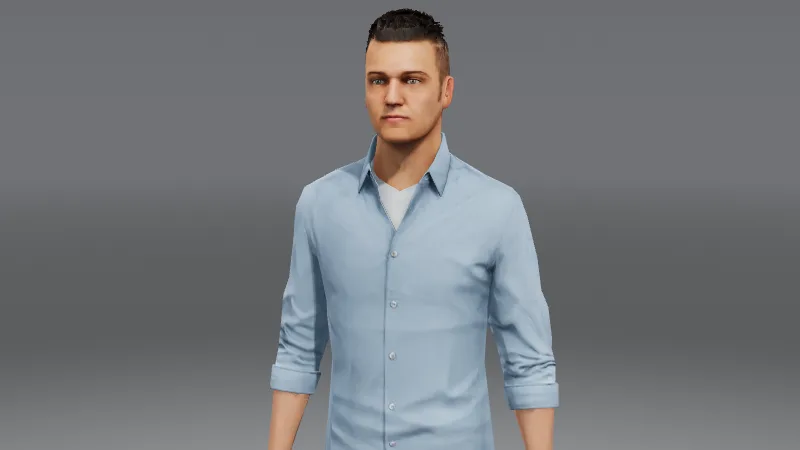
The camera stays and sharpness travels. Attention moves from one face to another without a cut, or the whole picture comes and goes.
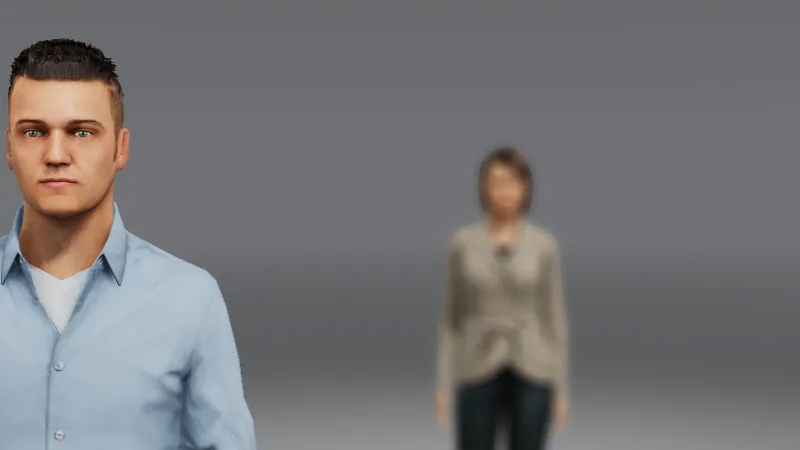
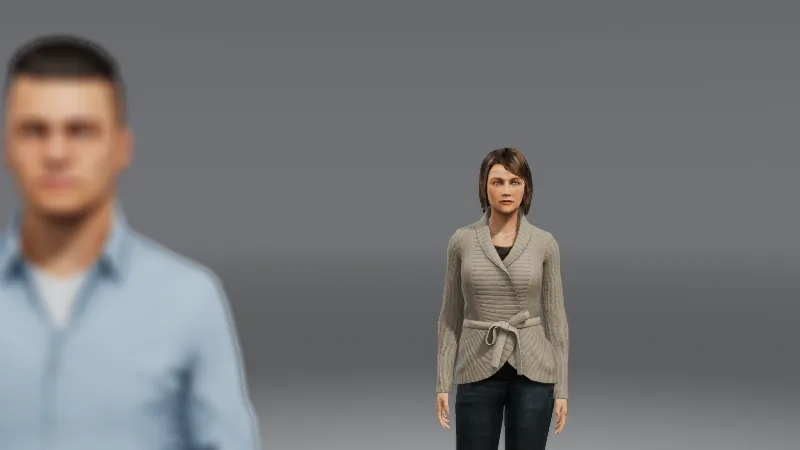 AB
Sharpness jumps from the near person to the far one.
Shifting attention without a cut.
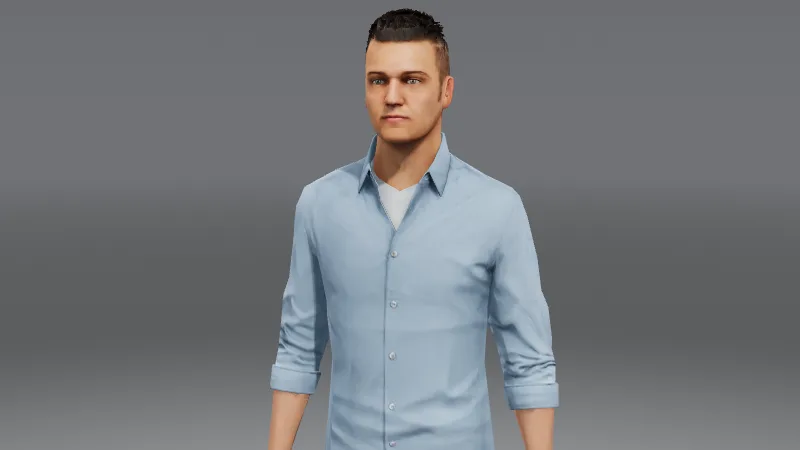
 AB
Starts as a blur and sharpens.
Waking, remembering, opening shots.
 AB
Drifts away into a blur.
Fainting, forgetting, end of a scene.
 AB
Searches back and forth before it finds the face.
Found footage, cheap cameras, confusion.
Does the picture blink, flash, fade or flicker?
Sometimes the picture itself opens and closes. Eyelids blink, lamps fail, lightning strikes, and a scene fades in or out.
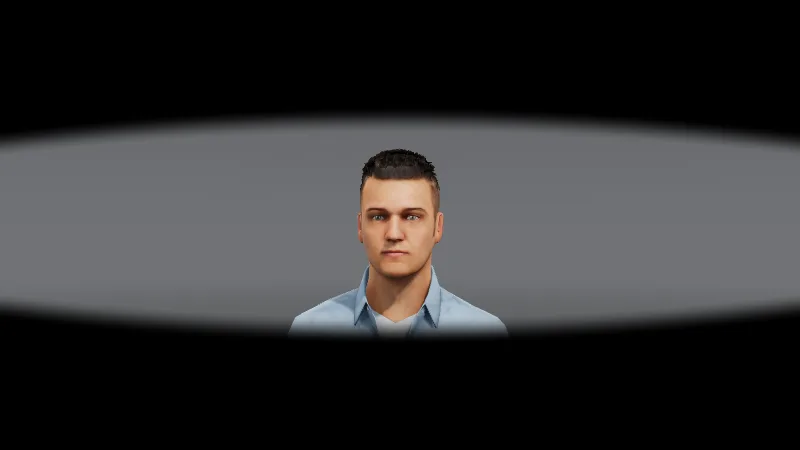 AB
The picture shuts and opens like eyelids.
Point of view, a thought passing, a hidden cut.
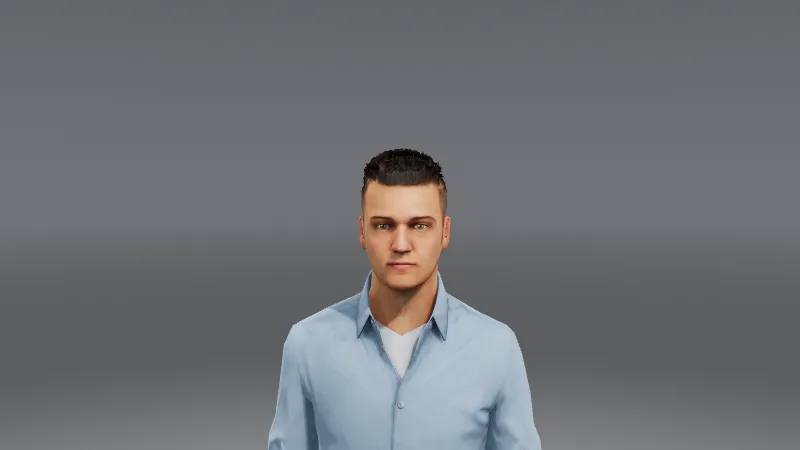 AB
Heavy eyelids open onto a blur that clears.
Coming round in a hospital, a hangover.
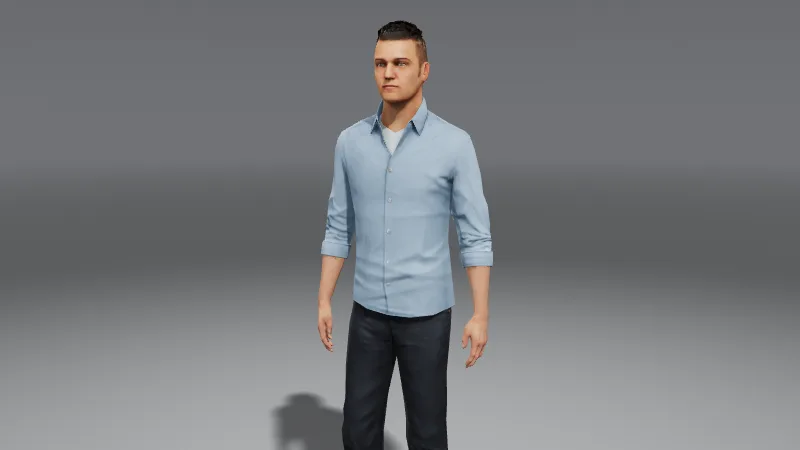
 AB
Bright and black in a steady beat.
Clubs, fights, interrogations.
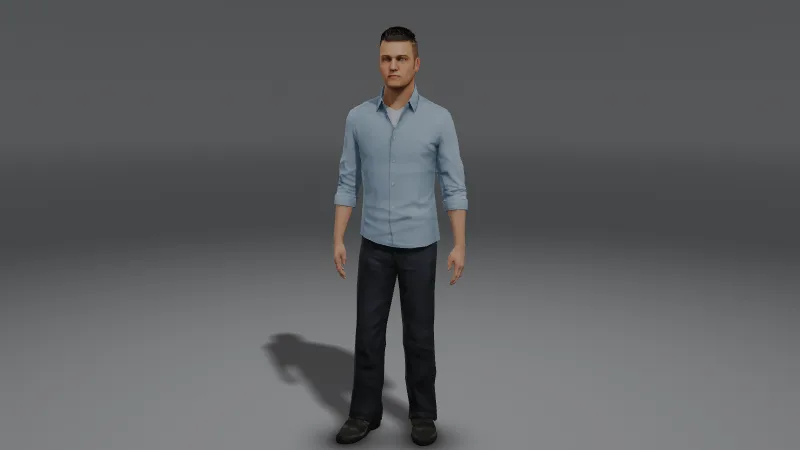
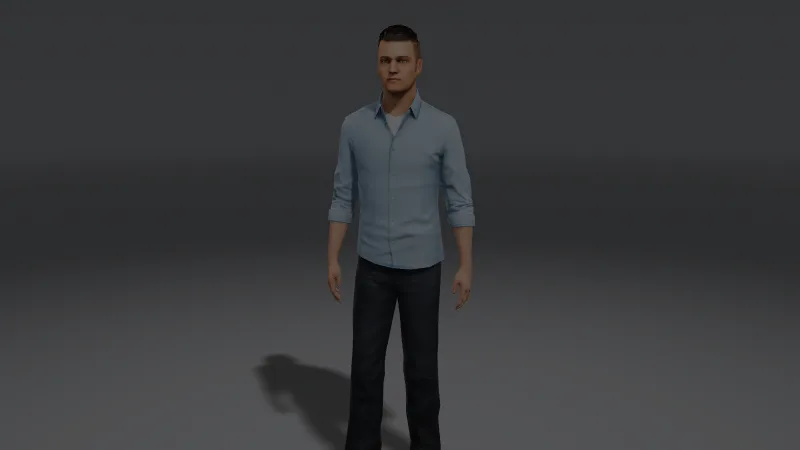 AB
A failing lamp, uneven and nervous.
Basements, corridors, horror.
Does time run differently?
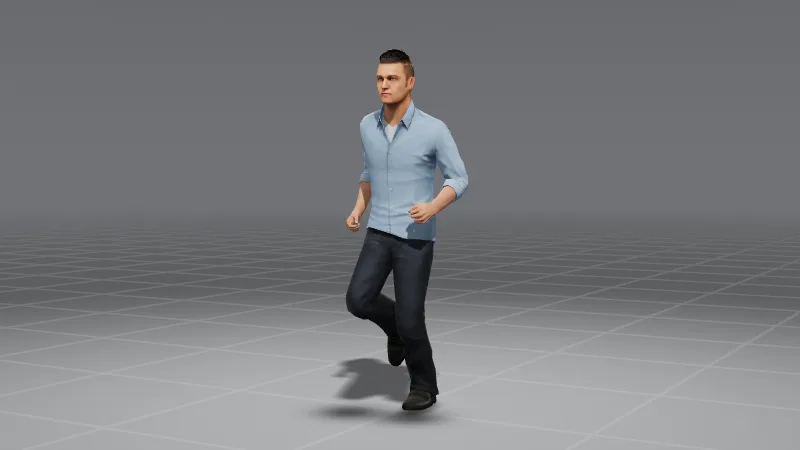
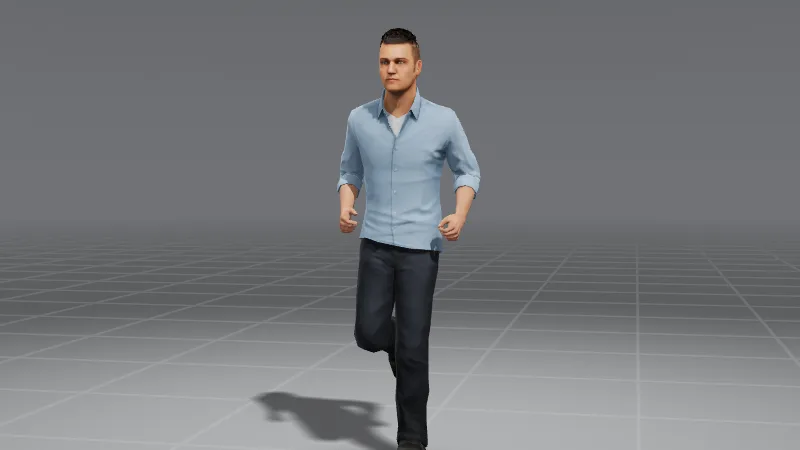
The camera sees the same thing, but time runs differently: stretched, hurried, frozen, reversed, or skipping forward in jumps.
 AB
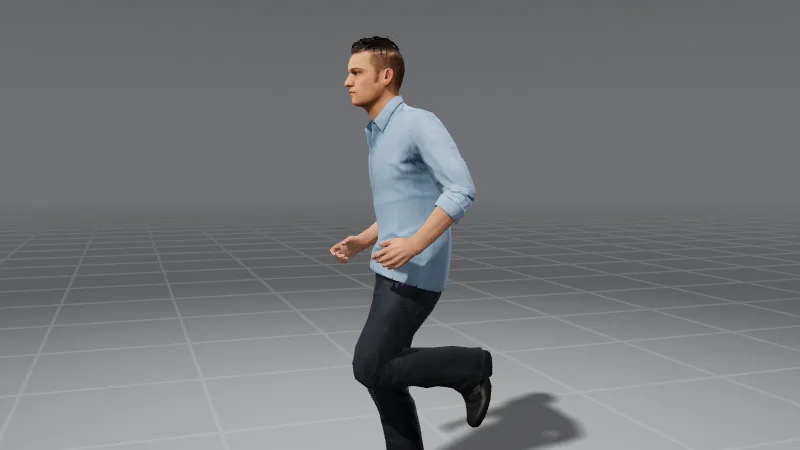
Every movement stretched out.
Sport, violence, beauty.
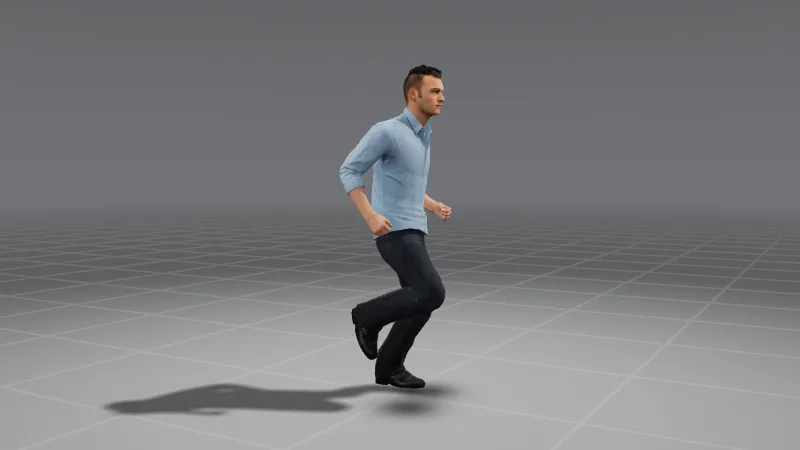
 AB
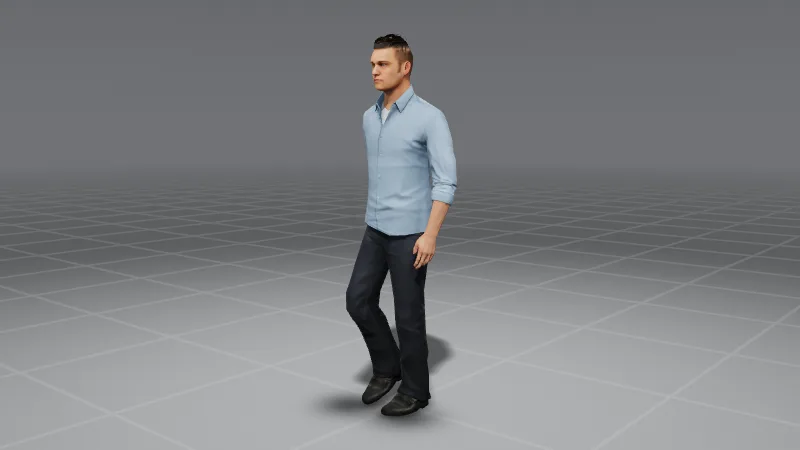
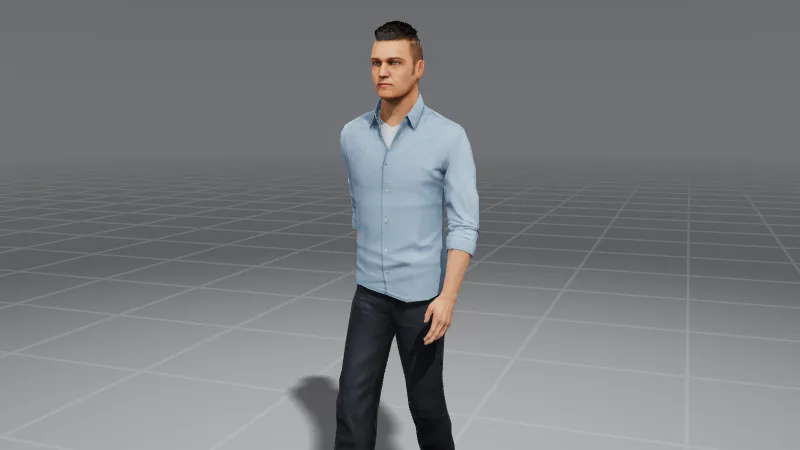
Fast, then slow, then fast again.
Action, sport, music videos.
 AB
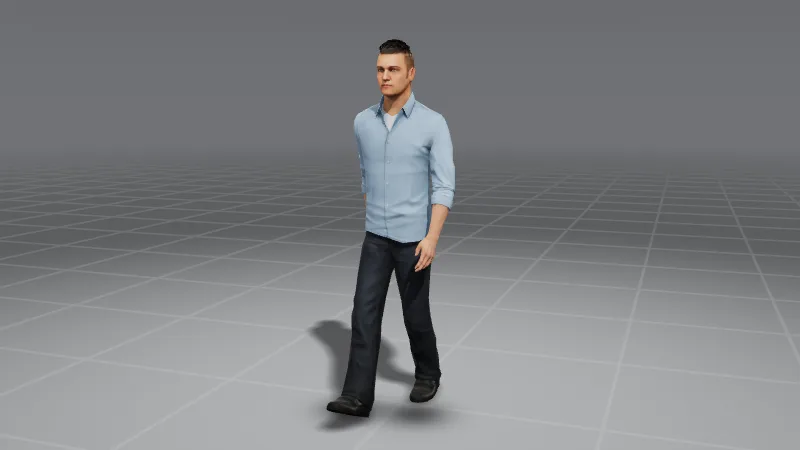
Stops dead, then goes on.
Introductions, endings, narration.
 AB
The action runs backward.
Undoing, rewinding, dreams.