Intellectual montage
Two shots collide to make an idea neither shows. Political comment, satire, visual metaphor.
 AB
- Made in
- Editing
- Also called
- dialectical montage, collision montage
What it does
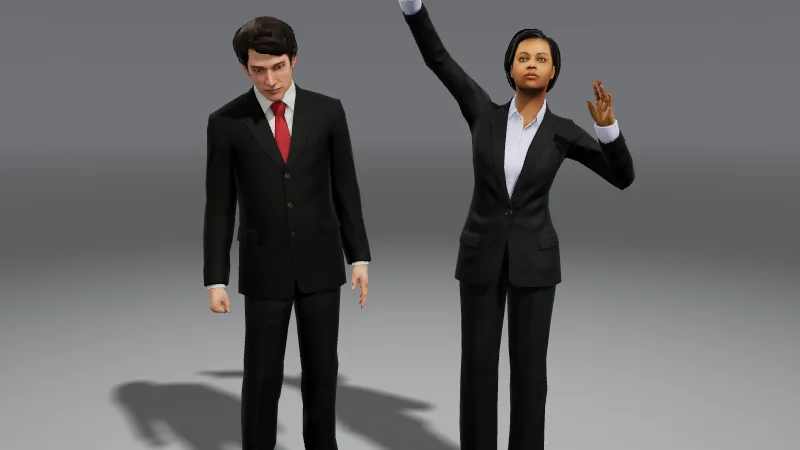
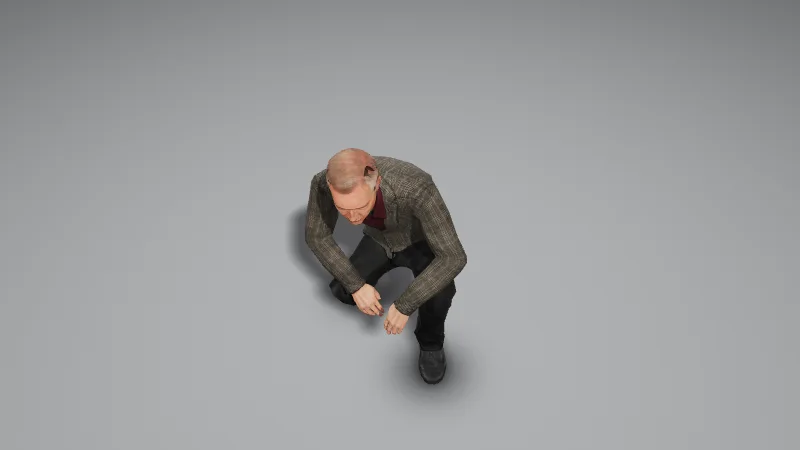
Two shots that have no link in the story are placed together, and the viewer's mind joins them into an idea that neither contains on its own: bankers cheering, then an old man crouching on a pavement, reads as a statement about who pays. Sergei Eisenstein developed it in Soviet cinema of the 1920s, for example cutting a massacre of workers against cattle being slaughtered. It asks the viewer to think, so it feels like an argument rather than a story.
When to use it
Use it for political or social comment, for satire, and for metaphor in music videos and adverts. The second shot must be readable at once and clearly foreign to the scene, otherwise viewers take it as part of the story instead of a comment on it.
Writing the prompt
The idea comes from the pairing, so describe two unrelated shots in plain terms: "medium shot of two bankers in suits laughing and cheering", then "high-angle shot of an old man crouching alone on a pavement". Make them as separate clips and join them in the editor. Leave the meaning out of the prompt: the pictures have to carry it.
Easily mixed up with
Intellectual montage
Two shots collide to make an idea neither shows.
Contrast cut
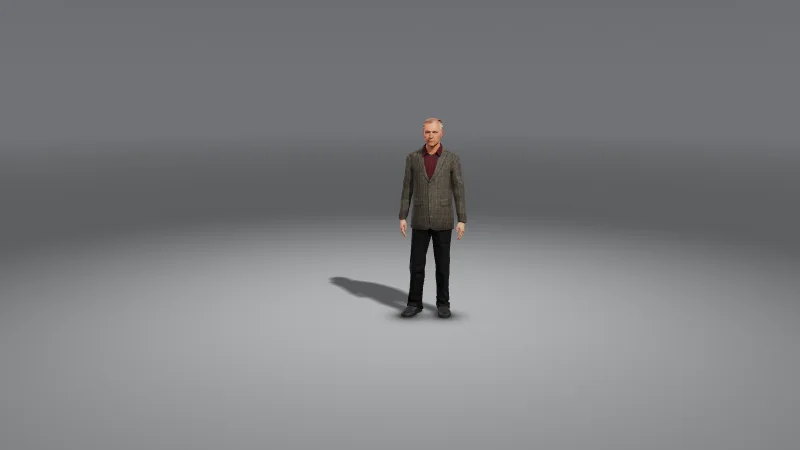
Sets two opposites side by side; the point is the difference, not a new idea.
Montage sequence
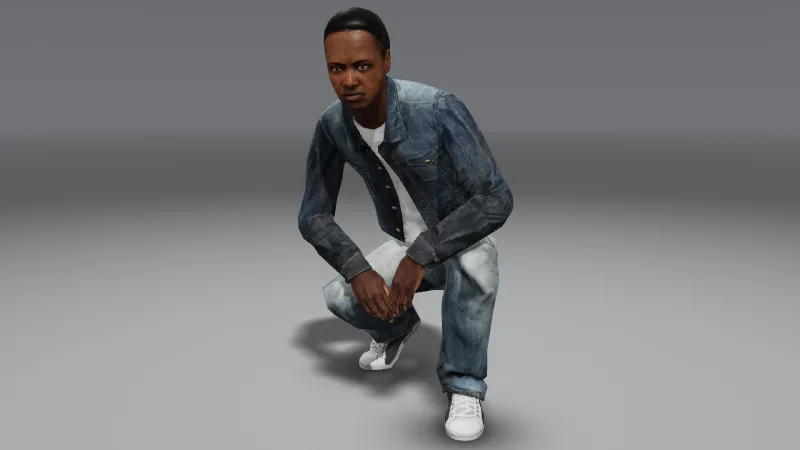
The Hollywood sense of montage: short shots that compress time.