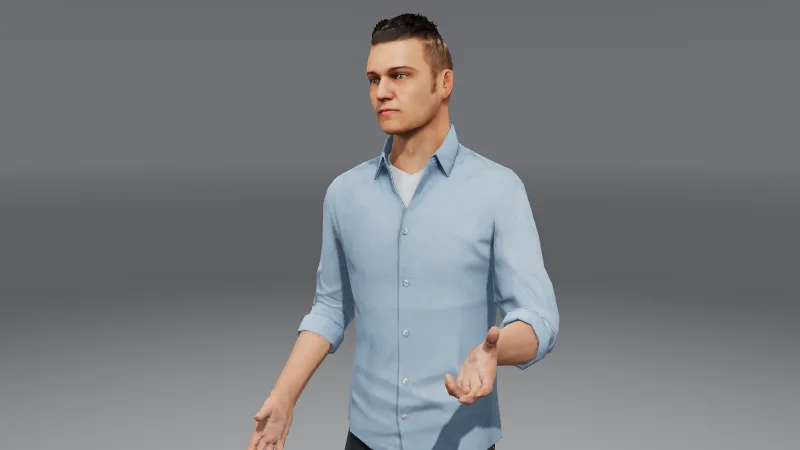
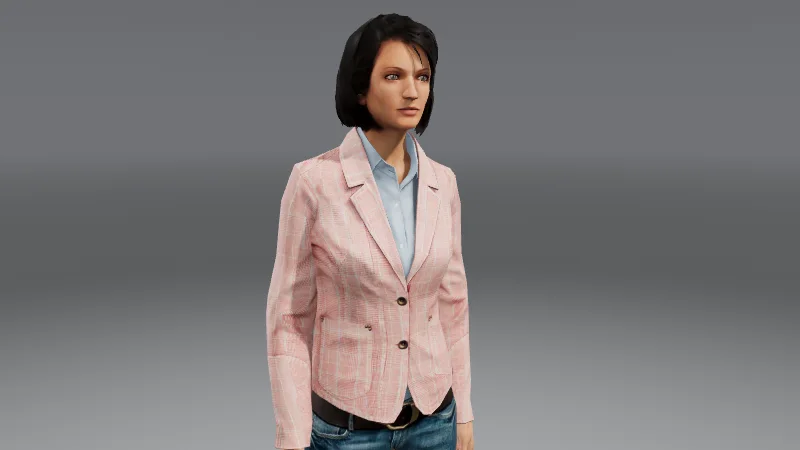
 AB
Cut
The picture switches at once to the next shot.
Almost every join in a film.
Does the picture simply switch?
A cut joins two shots with nothing in between. It is by far the most common transition; the kinds differ in what the two shots share and in where the cut falls.
Name the cut and describe both shots in full. In tools that make several shots in one clip, label them Shot 1 and Shot 2, or write "cut to" between them.
ABThe picture switches at once to the next shot.
Almost every join in a film.
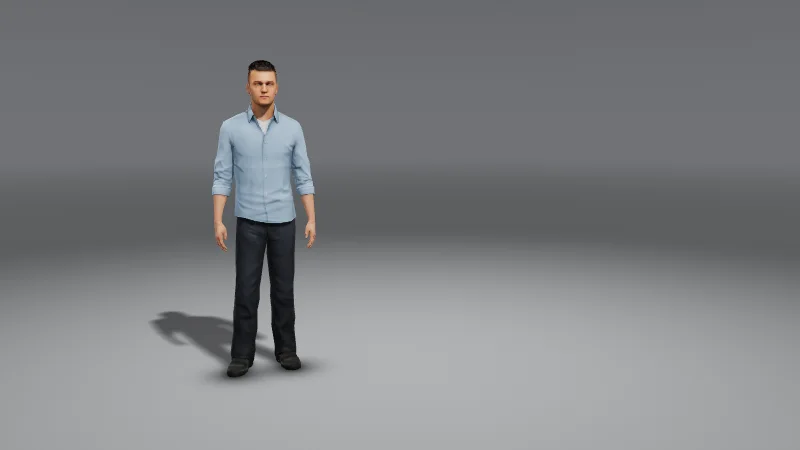
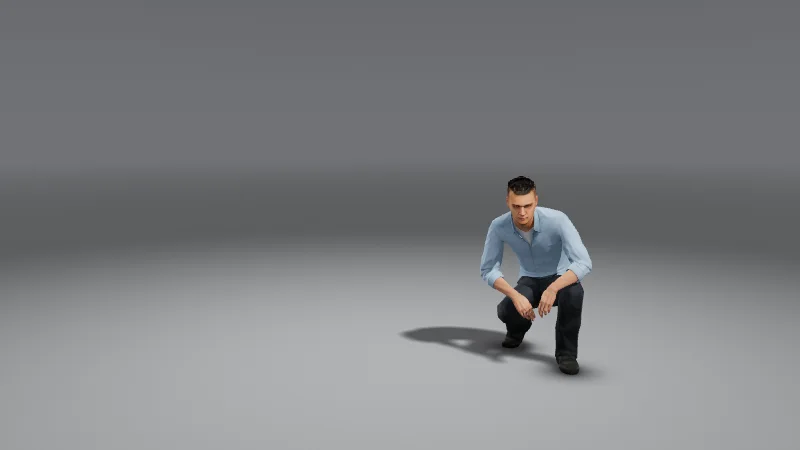 AB
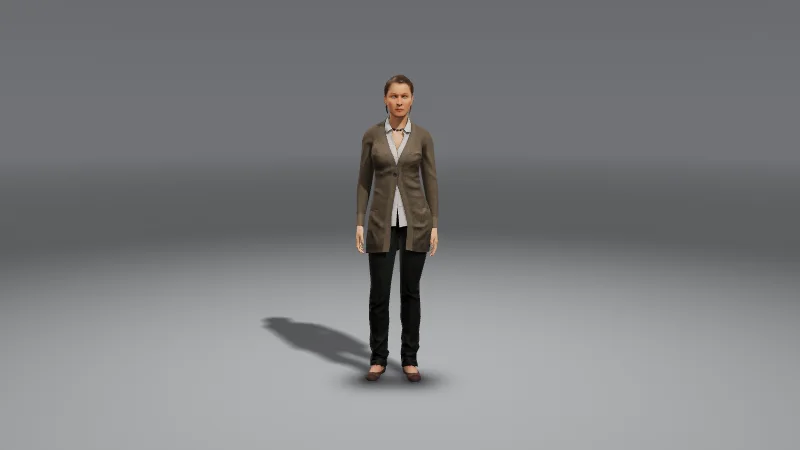
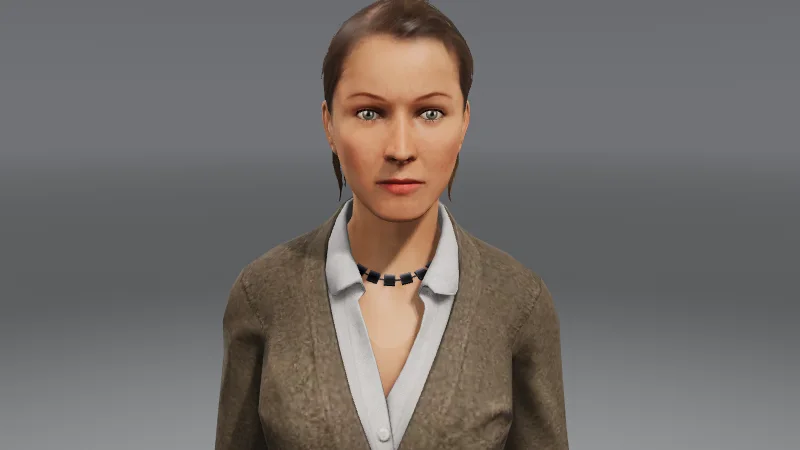
Two near-identical framings, so the subject jumps.
Time skips, restlessness, tightened talks to camera.
 AB
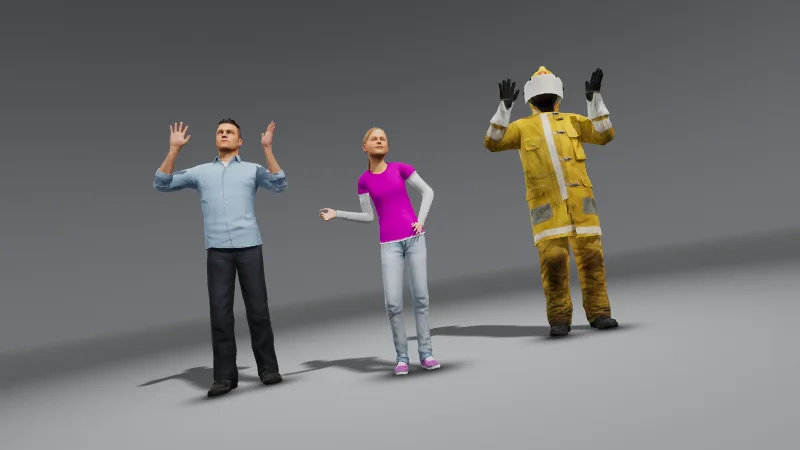
Jumps closer or further on the same line of view.
A sudden jolt of emphasis on a face or a thing.

 AB
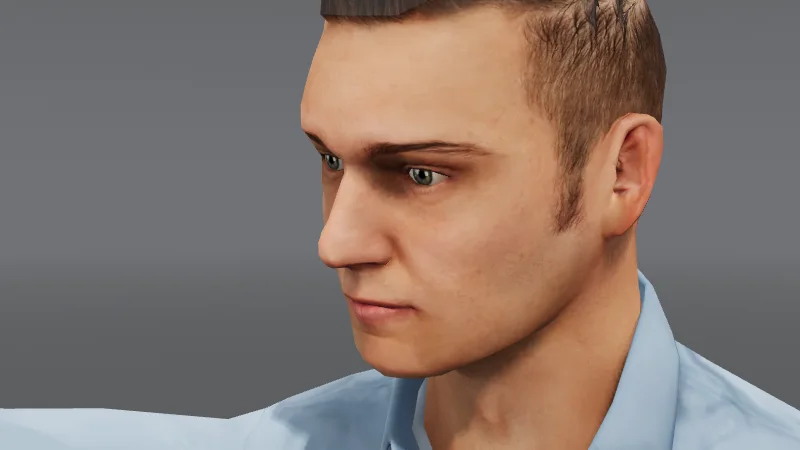
An abrupt cut into a scene of the opposite mood.
Scares, punchlines, waking from a nightmare.
 AB
The picture drops straight to a black screen.
Endings, cliffhangers, an open question.
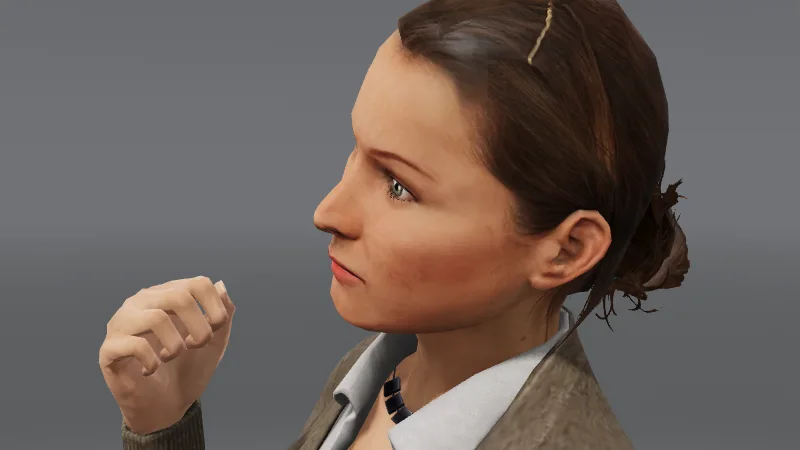
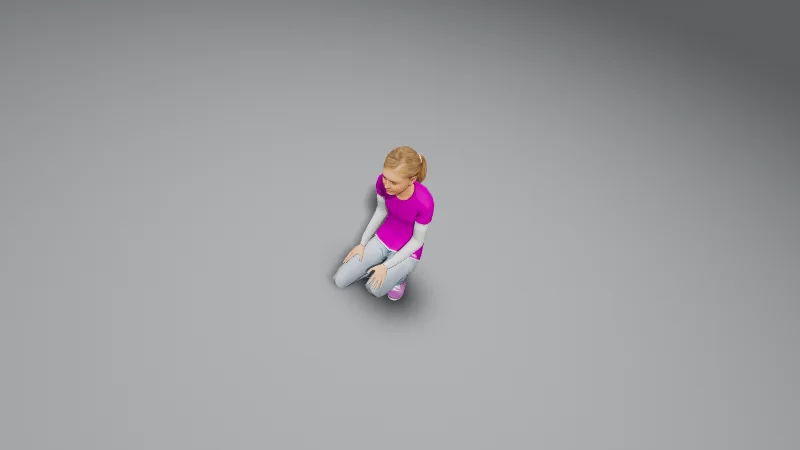 AB
A shot only a few frames long, flashed into a scene.
Memories, visions, a sudden threat.
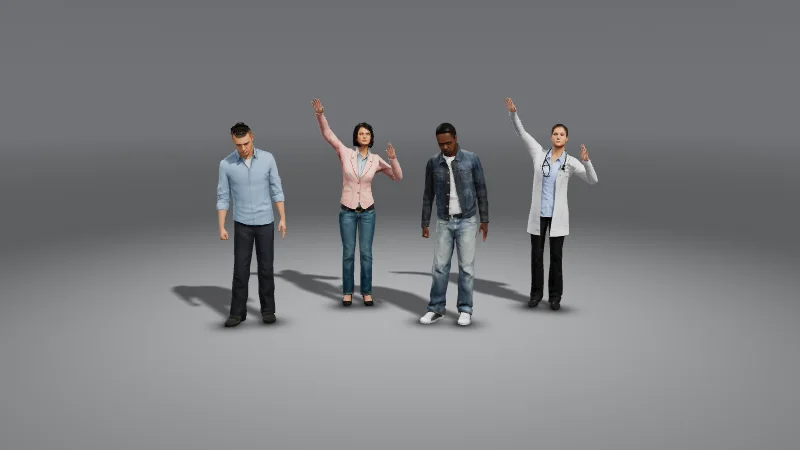
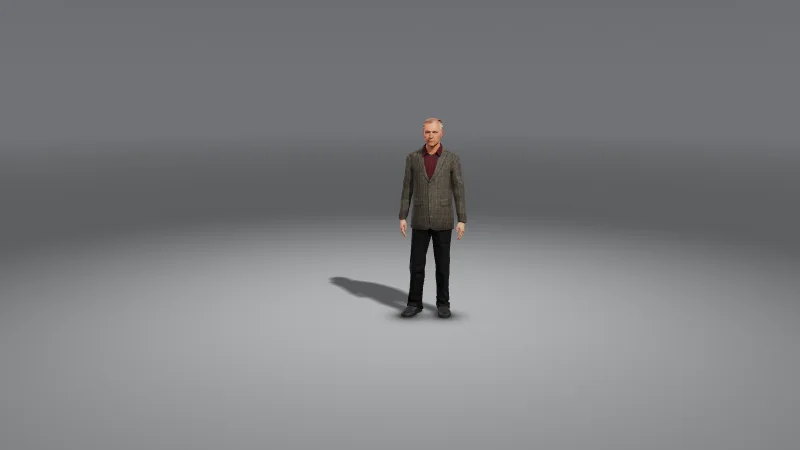 AB
Opposites side by side, so the difference speaks.
Irony, rich and poor, together and alone.
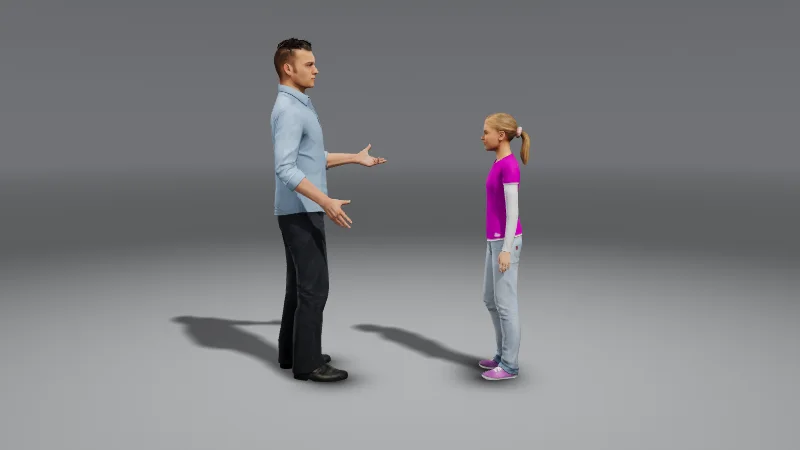
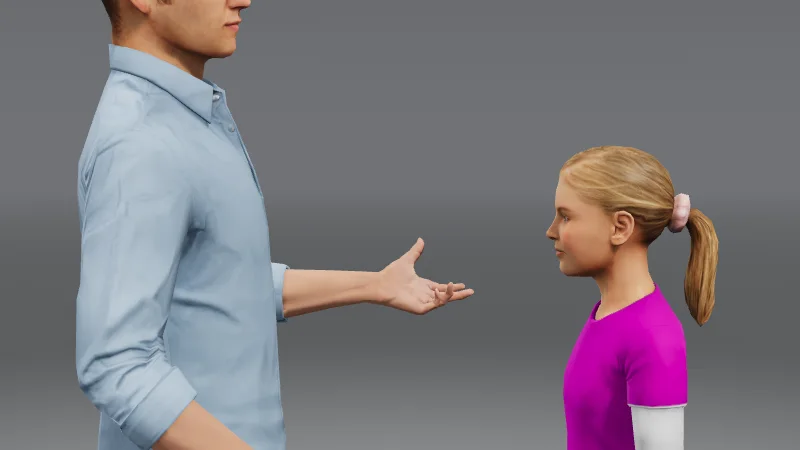 AB
Quietly moves people or things between shots.
Better framing, matched heights, clear eyelines.
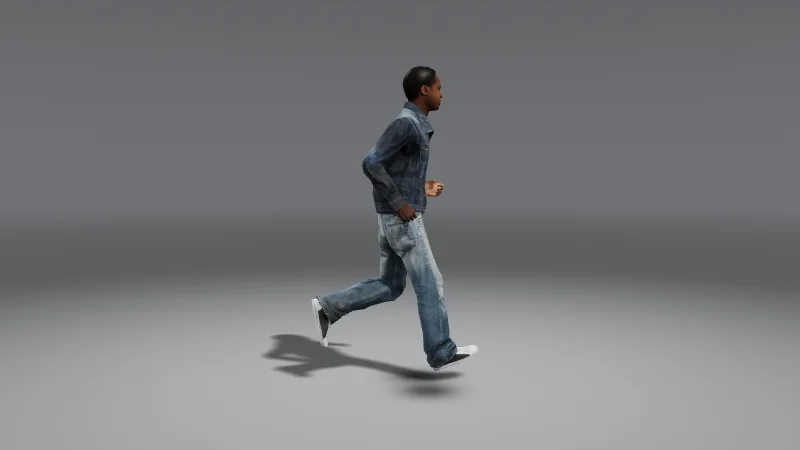
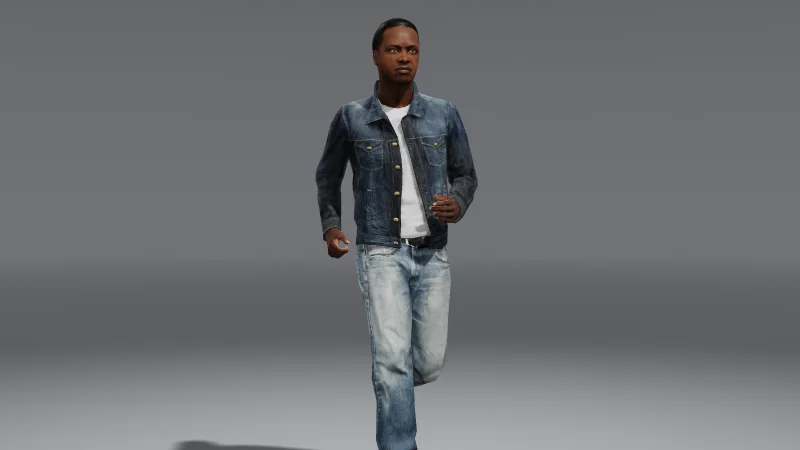 AB
A head-on shot that lets the direction of travel flip.
Chases, journeys, turning a character around.
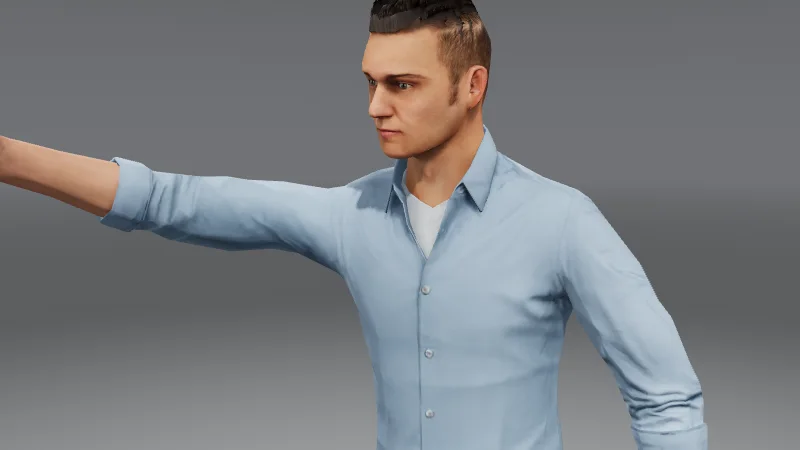
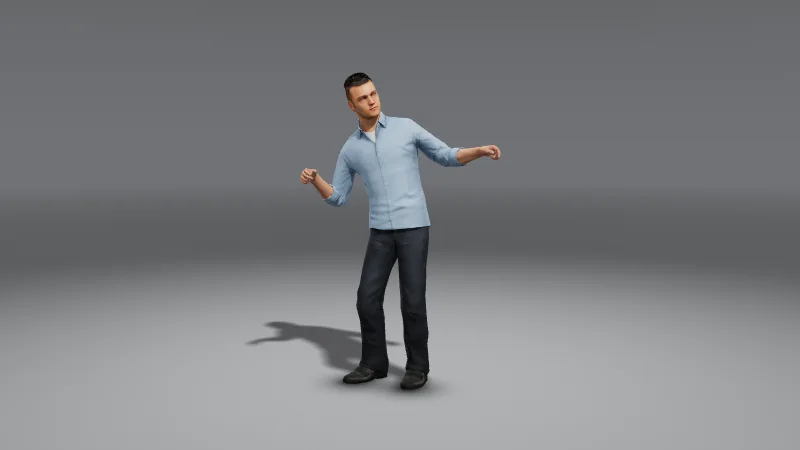 AB
A firm "never", then the next shot shows them doing it.
Comedy, irony.
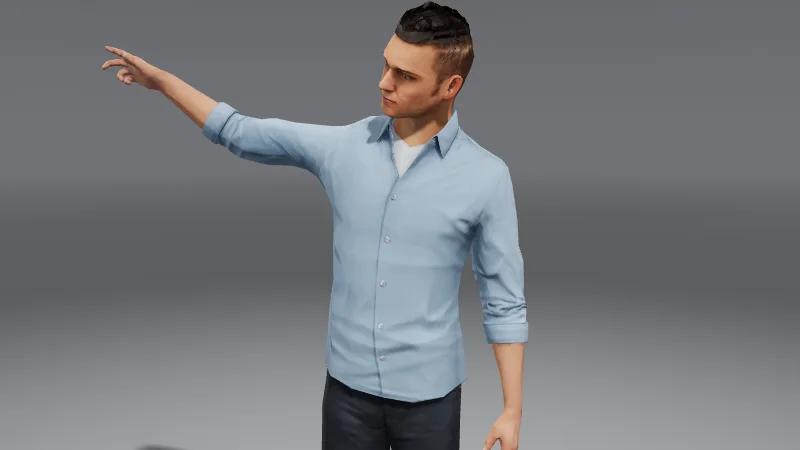
 AB
A brief look at something else, then back.
Reactions, context, covering a trim.

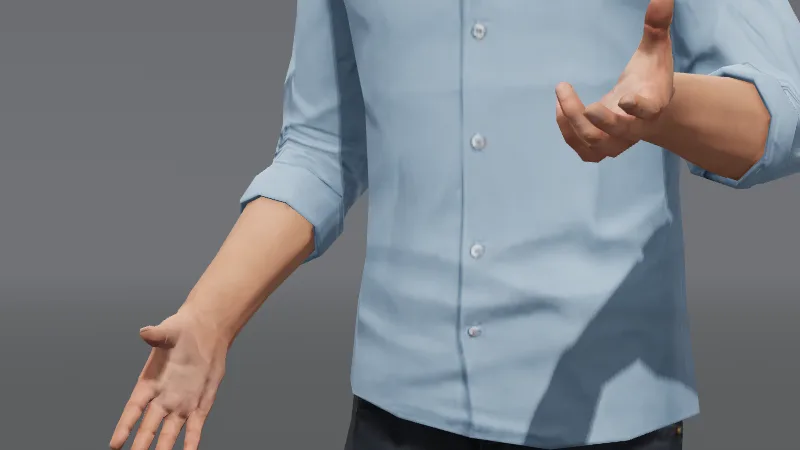 AB
Cuts closer to a detail of the same scene.
A note, a screen, hands, a clue.
 AB
Cuts straight to a closer crop.
Interviews, comedy, hiding an edit.