Cross-cutting
Cuts back and forth between actions in different places. Chases, rescues, phone calls, rising suspense.
 AB
- Made in
- Editing
- Also called
- crosscut, intercutting, INTERCUT (scripts)
What it does
The edit alternates between two or more lines of action in different places, usually happening at the same time: a rescuer racing to a building and a child trapped inside it. Time runs on in both places, and as the lines head toward meeting, the cutting often speeds up, which builds suspense. Many writers use cross-cutting, intercutting and parallel editing as one term, while others keep parallel editing for lines that need not share a time.
When to use it
Use it for rescues and chases, a phone call seen from both ends, a heist with several teams, or a wedding while a crime happens across town. The viewer must always know which place a shot belongs to, so give each place its own look, light or sound.
Writing the prompt
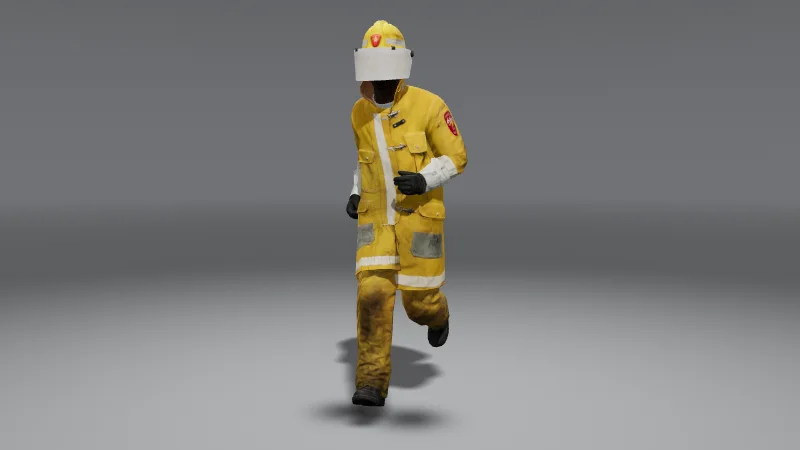
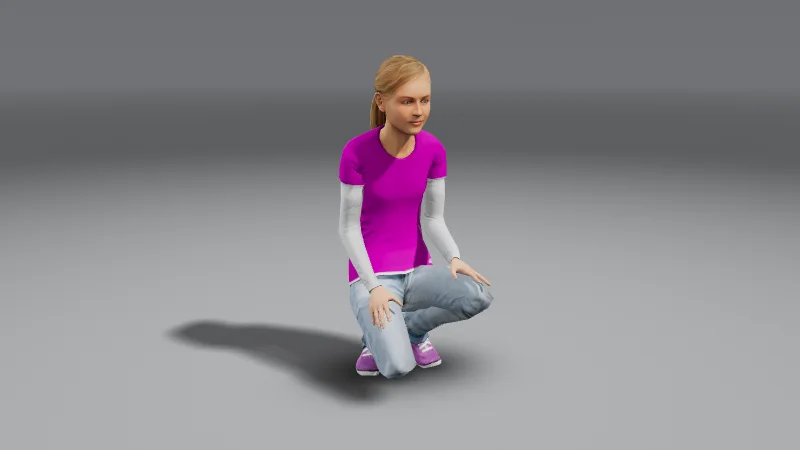
Kling's prompt guide names cross-cutting among the structures for multi-shot clips. Label the shots and alternate the places: "Shot 1: a firefighter runs down a smoky corridor. Shot 2: a girl crouches in a dark room." Write "at the same moment" or "meanwhile" to set the time. For longer sequences, make each place's shots separately and alternate them in the editor.
Easily mixed up with
Cross-cutting
Cuts back and forth between actions in different places.
Parallel editing
Alternates lines that need not happen at the same time, for comparison.
Split screen
Shows both places at once, side by side, instead of in turn.