Frame exit and entrance
The subject walks out of one frame and into the next. Changes of place, time skips, outfit changes.
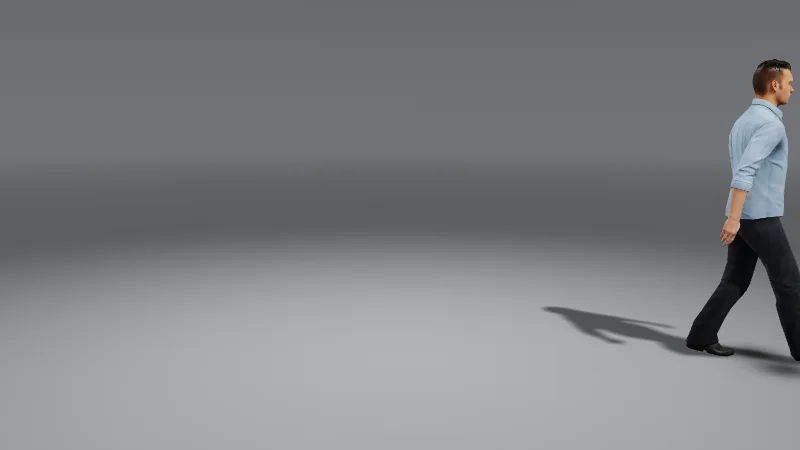
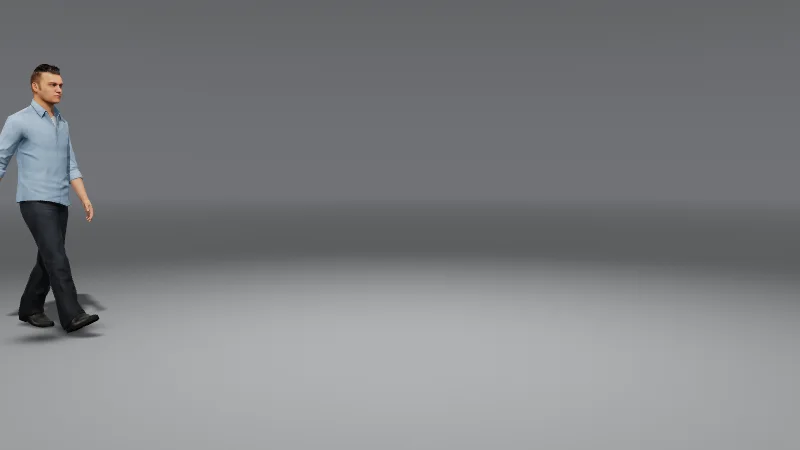 AB
- Made in
- Camera
- Also called
- exit and entrance cut, clean exit, clean entry
What it does
The subject walks out of the frame, and the shot holds for a moment on the empty space. The next shot starts empty too, and the subject walks in, in a new place or at a later time. Because the first frame was already empty, the cut interrupts no one's movement, and the direction of the walk tells the viewer it is the same journey. Some writers count it as a form of cutting on action.
When to use it
Use it to skip the dull part of a journey, to move a character from home to work, or to change the day or the clothes between two places. Keep the direction: someone who leaves at the right edge should enter from the left, unless a reversal is the point.
Writing the prompt
Describe the exit and the entrance as separate beats: "he walks out of frame to the right, leaving the frame empty" at the end of Shot 1, and "the frame starts empty, then he walks in from the left" at the start of Shot 2. Left and right mean the frame here. Make both shots and trim the empty frames to length in the editor.
Easily mixed up with
Frame exit and entrance
The subject walks out of one frame and into the next.
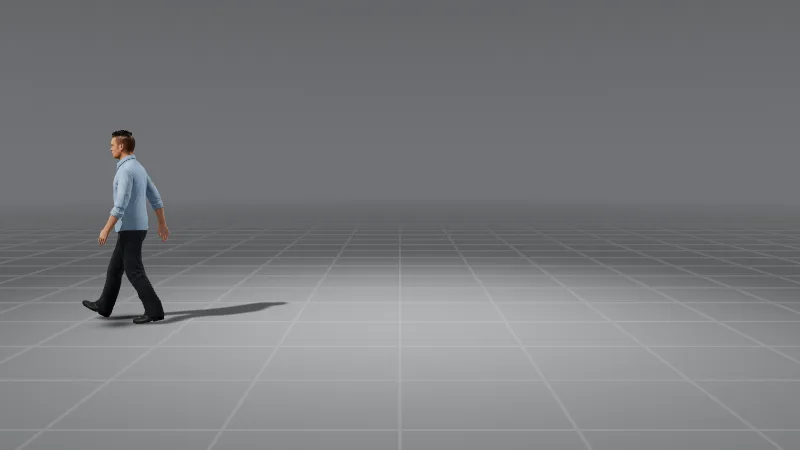
Walk through frame
The person crosses one held frame, with no cut.
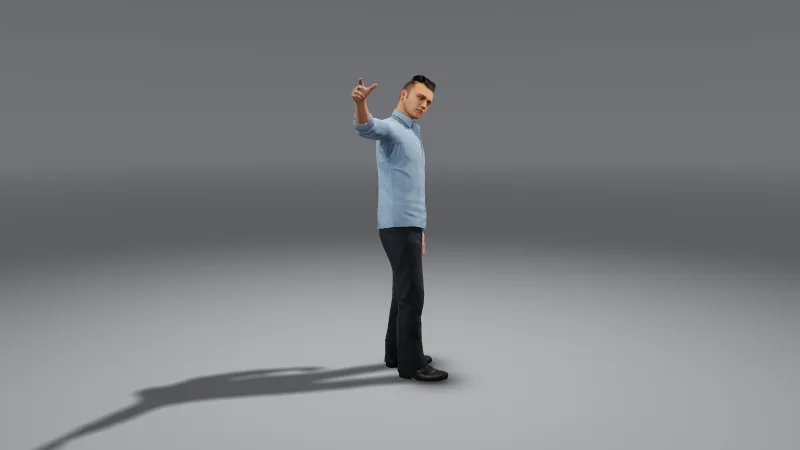
Match on action
Cuts in the middle of a movement, not on an empty frame.