Card wipe
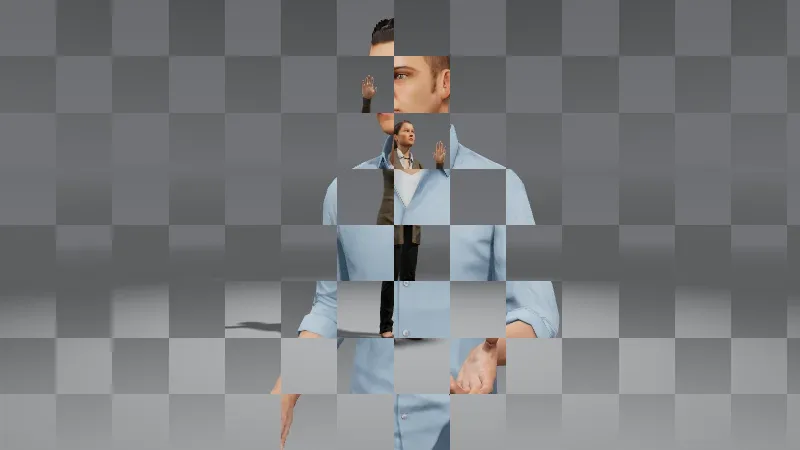
The picture breaks into a grid of cards that flip in turn to the next shot. Showy title sequences and openers.
- Made in
- Editing
- Also called
- tile flip, multi flip
What it does
The picture breaks into a grid of cards, and the cards flip over one after another, often in a wave across the frame, each showing a piece of the next shot on its back. The effect is showy and precise, like a stadium card display. After Effects has it as Card Wipe, with rows, columns and timing to set, and Final Cut has Multi Flip. With long, thin cards it becomes 3D blinds: slats that turn like a real blind.
When to use it
Use it for title sequences, openers and other showy moments where the edit itself is part of the show. A wave of cards that follows a movement in the picture, such as a ball crossing the frame, ties it to the shot. In drama it is far too decorative.
Writing the prompt
Card wipes are made in the editor; After Effects gives the most control over rows, columns and timing. Make both shots, then build the effect there. Bold, simple pictures survive being cut into cards: "graphic composition, bold colours, centered subject". Avoid fine detail and small faces, which break up across the edges of the cards.
Also

3D blinds
Slats turn in perspective, the old shot on one side and the next on the other. A 3D take on venetian blinds.
Easily mixed up with
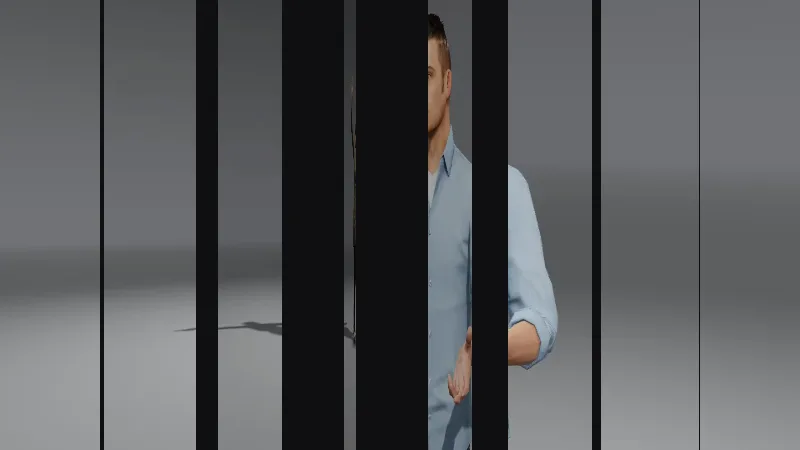
Card wipe
The picture breaks into a grid of cards that flip in turn to the next shot.
Checkerboard wipe
Squares switch flat, without flipping in depth.
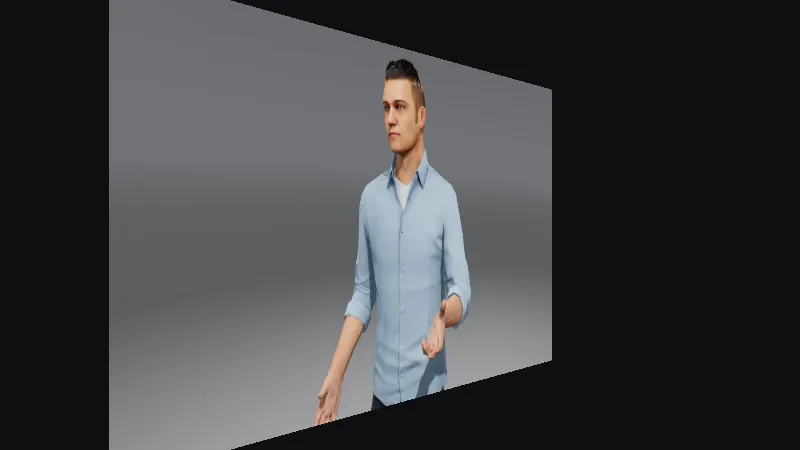
Flip
One whole frame turns over instead of many cards.